• About
  • Contact Me
  • Disclosure

accentBritain

~ a romance with art and all things British

accentBritain

Category Archives: History

Study of a Queen

04 Tuesday Jun 2013

Posted by pat in Art, Art Museums & Exhibitions, History, paintings, sketching, The Royal Family, Uncategorized

≈ Leave a Comment

Tags

Annigoni, Portrait, Queen Elizabeth II, The National Portrait Gallery

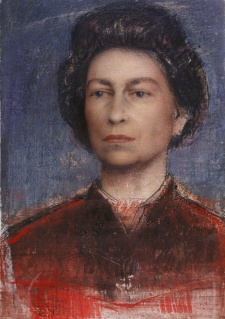
With the celebration of the Queen’s 60th Anniversary of her coronation this week, there is an opportunity to see some amazing portraits circulating. One that caught my attention is  Study for the portrait ‘Her Majesty in Robes of the British Empire’  by Pietro Annigoni in 1969.

© Royal Collection Trust/ © Her Majesty Queen Elizabeth II 2012.

© Royal Collection Trust/ © Her Majesty Queen Elizabeth II 2012.


The study, done in oil distemper and pastel and measuring  more than life-size at about 16 x 24″, was commissioned by the Trustees of the National Portrait Gallery. The Queen is wearing the red cloak of the British Empire.

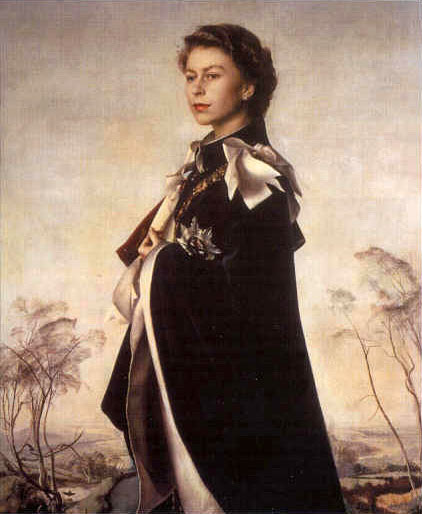
Fifteen years earlier, Annigoni had painted the young Queen for the Worshipful Company of Fishmongers, in a romantic rendering of her wrapped in the dark blue cloak of the Order of the Garter.

HM Queen Elizabeth II by Pietro Annigoni, 1955

HM Queen Elizabeth II by Pietro Annigoni, 1955


What I love about the study for the second portrait in red, is how the artist seems to have captured her strength and…well… her majesty so effortlessly. His concentration in the sketch is totally on her face.

For the 1969 portrait Annigoni was granted 18 sitting over a period of eight months.  The result of his first 8 sittings was this study in oil and pastel of the head and shoulders of Her Majesty against a dark night sky.

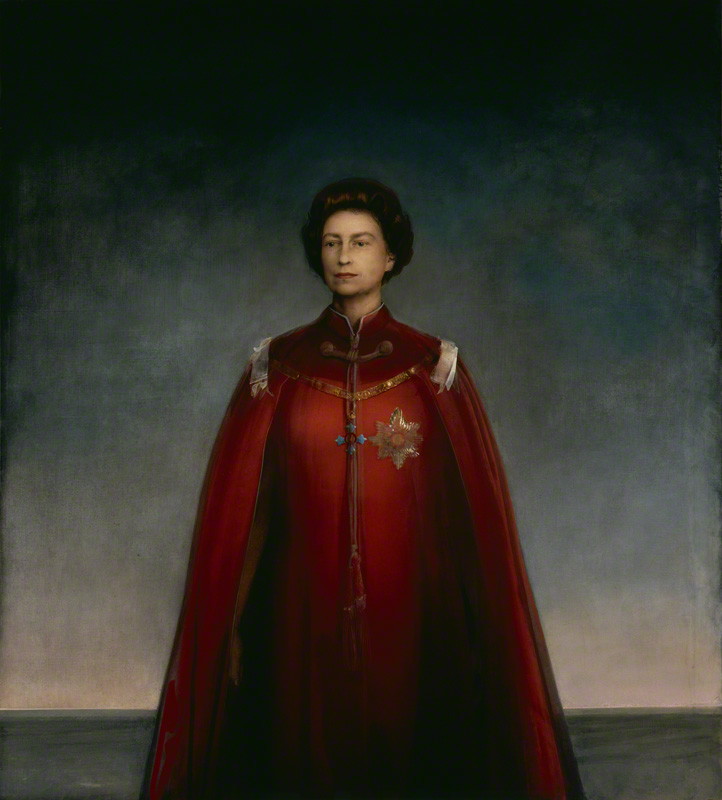
The final portrait can be seen at the National Portrait Gallery in London.

Queen Elizabeth II by Pietro Annigoni, tempera grassa on paper panel, 1969, 78 x 70 inches, © National Portrait Gallery, London

Queen Elizabeth II by Pietro Annigoni, tempera grassa on paper panel, 1969, 78 x 70 inches, © National Portrait Gallery, London


Thatched Cottages

30 Thursday May 2013

Posted by pat in England, History, paintings, Uncategorized

≈ 1 Comment

Tags

building, craftsmen, English cottages, thatched roofs

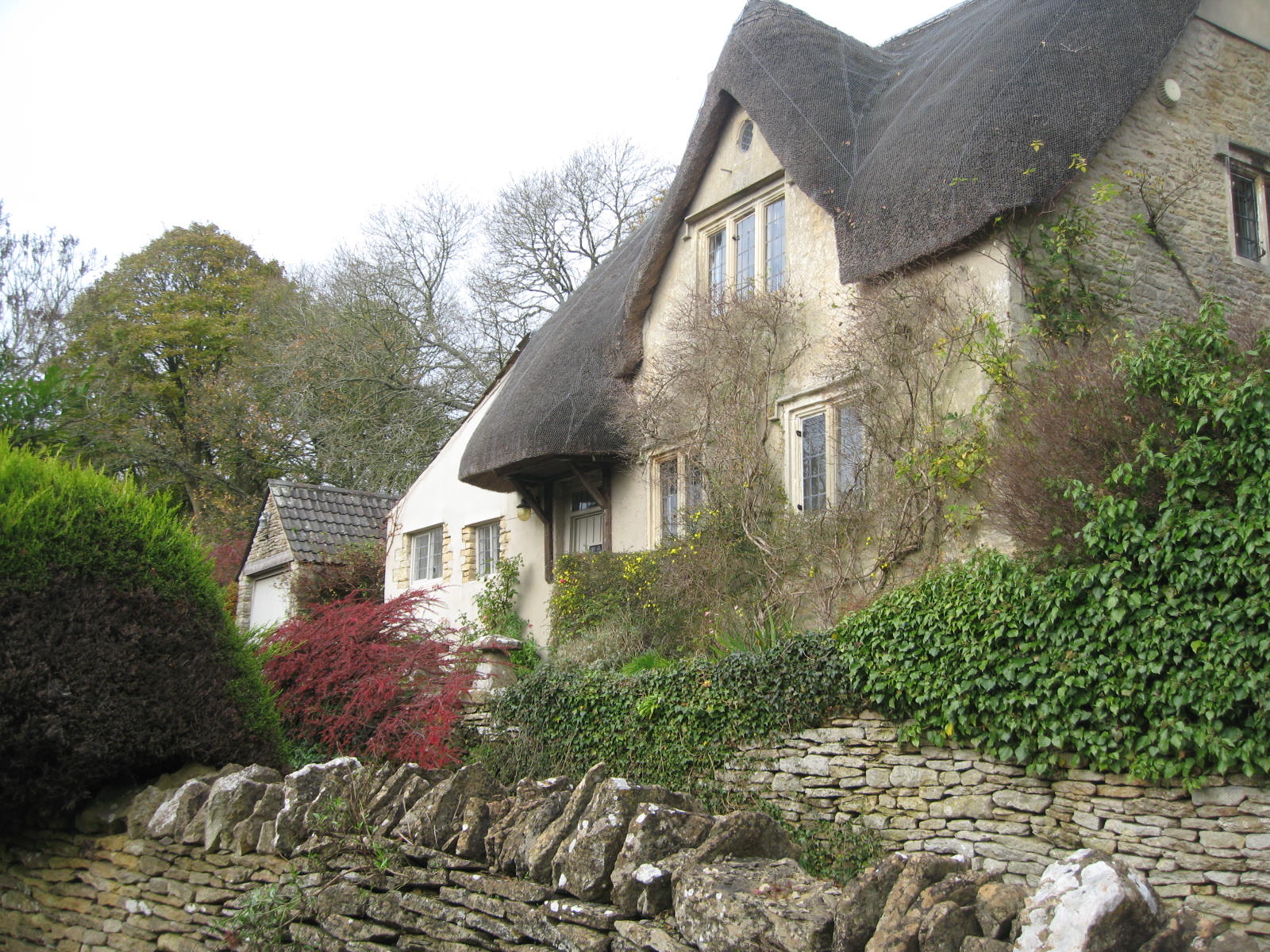
A picture of a traditionally built English cottage from an American point of view may include a thatched roof.  What could be more like a fairy tale than that.

A thatched Cottage walking in to Castle Combe in the Cotswolds. Photo by me

A thatched Cottage walking in to Castle Combe in the Cotswolds. Photo by me

Generally, you see a lot more of the slate shingles on older cottages today in England, but a thatched roof is a real treat.

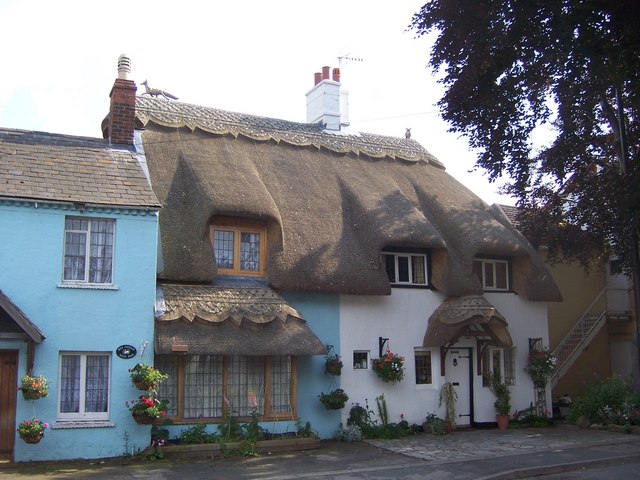
Thatched Cottages, Wyre Piddle. Photo by Terry Robinson, Creative Commons

Thatched Cottages, Wyre Piddle. Photo by Terry Robinson, Creative Commons

Thatching is the traditional craft of building a roof with dry vegetation such as straw.  The bundles of straw are thickly layered to shed water away from the inner roof. Thatch was used by the majority of homeowners in the countryside and in many towns and villages until the late 1800s.

And then came slate.

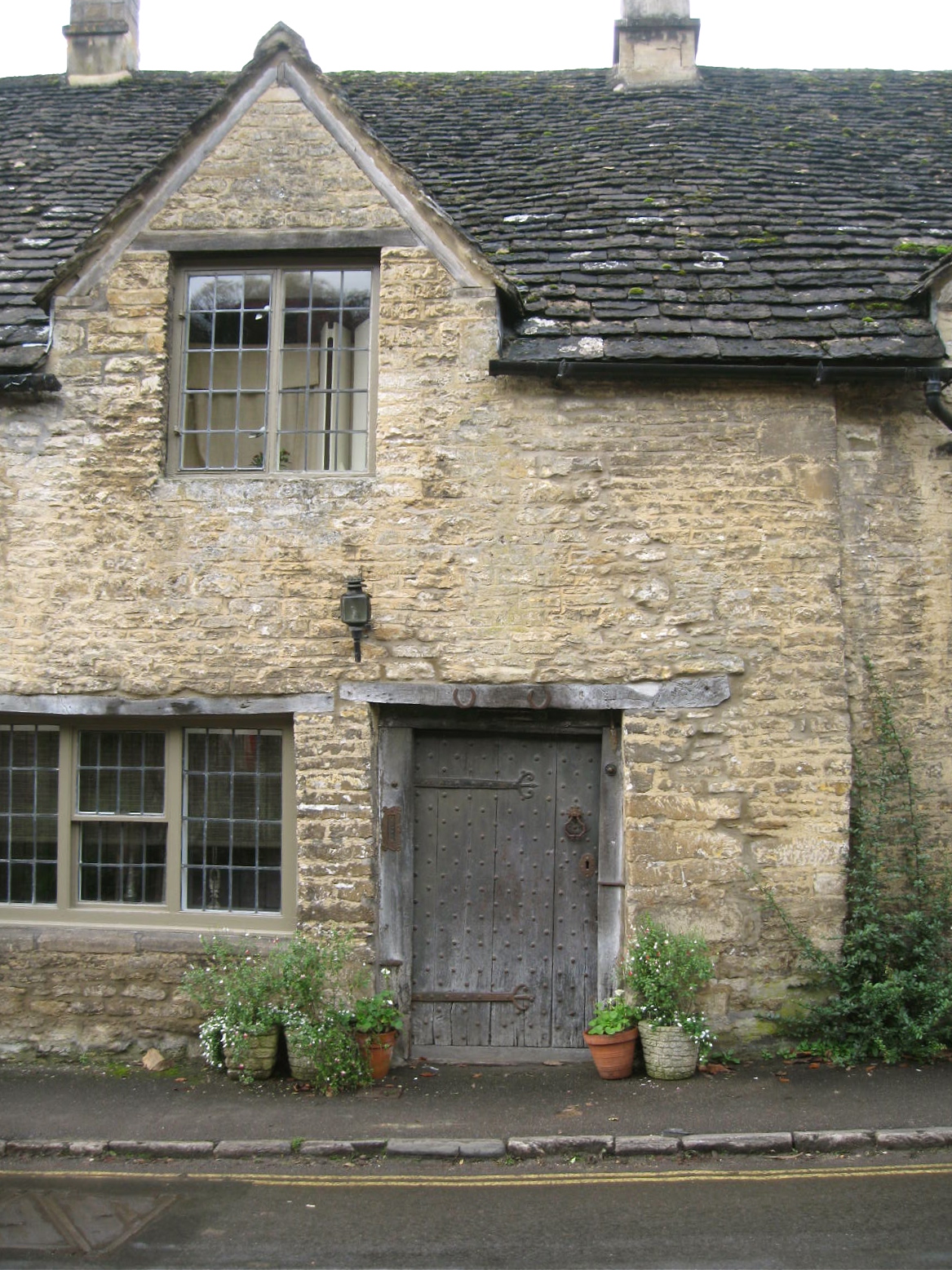
A more prominent shingle roof in Castle Combe. Photo by me.

A more prominent shingle roof in Castle Combe. Photo by me.

The real commercial production of Welsh slate began in 1820, and along with the innovative building of canals and railways to transport it, it gave builders an alternative material for many English roofs.

Anne Hathaway's cottage being rethatched. Photo by Michael Zawadzki from geography.org

Anne Hathaway’s cottage being re-thatched. Photo by Michael Zawadzki from geography.org

Gradually the use of thatch declined, and with it the craftsmen who were professional thatchers.  There are approximately 1,000 full-time thatchers at work in the UK now, and it has been growing in popularity again with the interest in historic preservation and using sustainable materials.

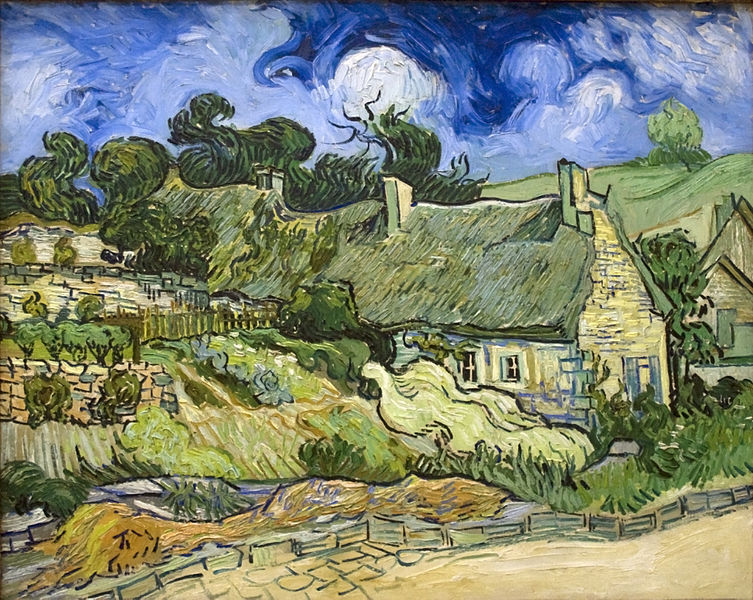
Thatched cottages were popular throughout Europe, although England still has the most. "Thatched Cottage at Cordeville" Vincent Van Gogh

Thatched cottages were popular throughout Europe, although England still has the most. “Thatched Cottage at Cordeville” Vincent Van Gogh

A good thatched roof can last over 50 years, and a new layer of straw can be applied over the weathered surface. This is called a “spar coating”. Over 250 roofs in southern England have base coats of thatch that were applied over 500 years ago! Since the 1980s there has been a movement to grow the older varieties of wheat which are tall-stemmed and better for thatching. This has helped renew the feasibility of thatching.

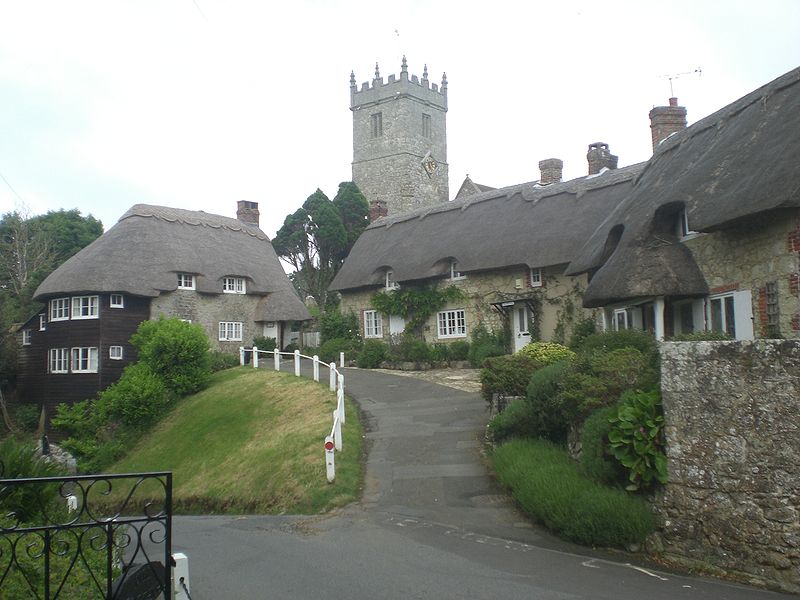
Thatched Cottages in Godshill. Wikipedia.

Thatched Cottages in Godshill. Wikipedia.

It’s nice to see a traditional craft becoming popular again.  I do just love to see a thatched roof in the English countryside.

Thatched Cottage near Wortham, Suffolk.Photo by Keith Evans, Wikimedia.

Thatched Cottage near Wortham, Suffolk. Photo by Keith Evans, Wikimedia.

The Royal Residences

23 Tuesday Apr 2013

Posted by pat in History, London, Scotland, The Royal Family, Uncategorized

≈ 2 Comments

Tags

Balmoral Castle, Buckingham Palace, Clarence House, Frogmore, Kensington Palace, Palace of Holyroodhouse, Sandringham House, St. James's Palace, Windsor Castle

The term “Royal Residence” brings to mind an amazing world of fantasy. Sleeping Beauty’s Castle is what an American girl grows up with as her vision of what a royal residence really looks like.  But the facts are much different from this fairy tale and much more interesting in England.  For many decades, even centuries, kings and queens of the United Kingdom have built or bought incredibly diverse palaces to serve as a family home or workplace–or just a little spot to rule from.
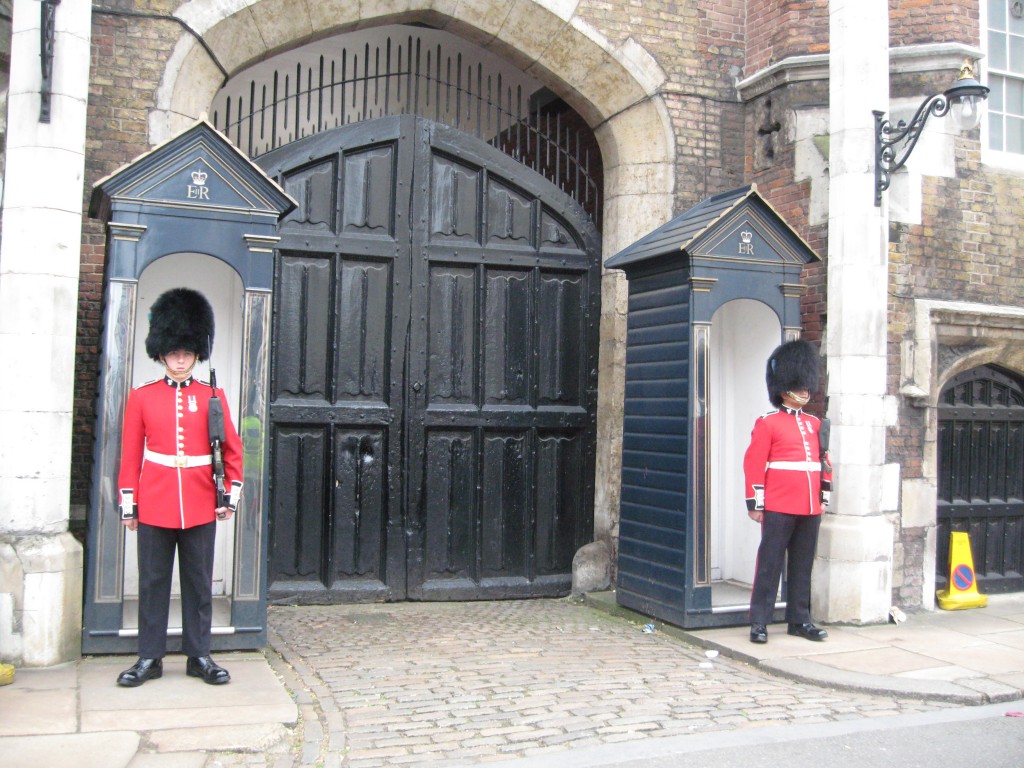
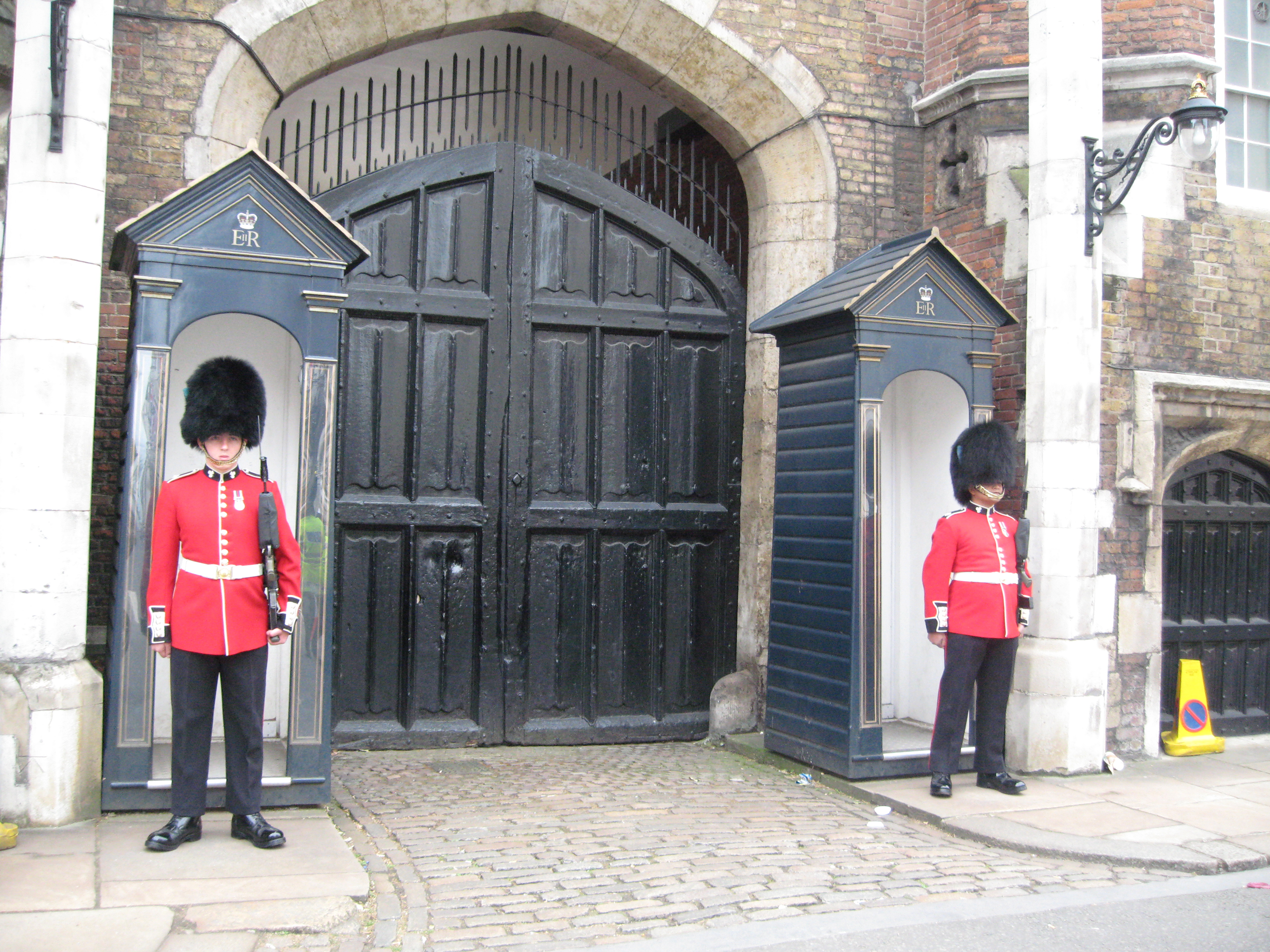
Guarding St. James's Palace. Photo by me.

Guarding St. James’s Palace. Photo by me.

Royal Residences fall in to three general categories: Official Royal Residences which are held in trust for future generations, Private Estates which are owned by the Queen and can be private residences for the Queen and her family or may generate income, and Unoccupied Royal Residences which are all other buildings in Great Britain which once housed members of the Royal Family and therefore may be of historical interest.
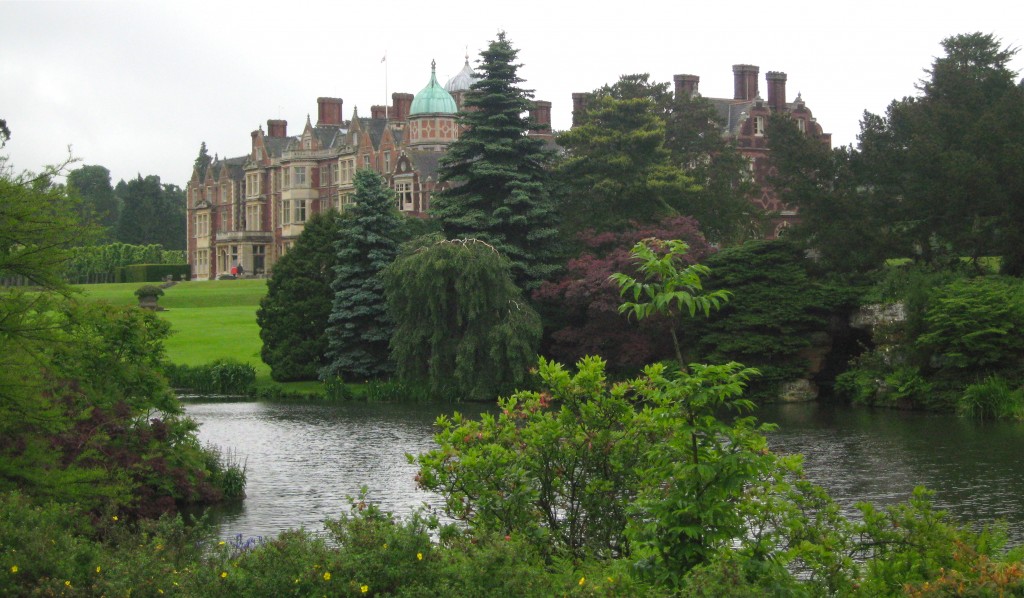
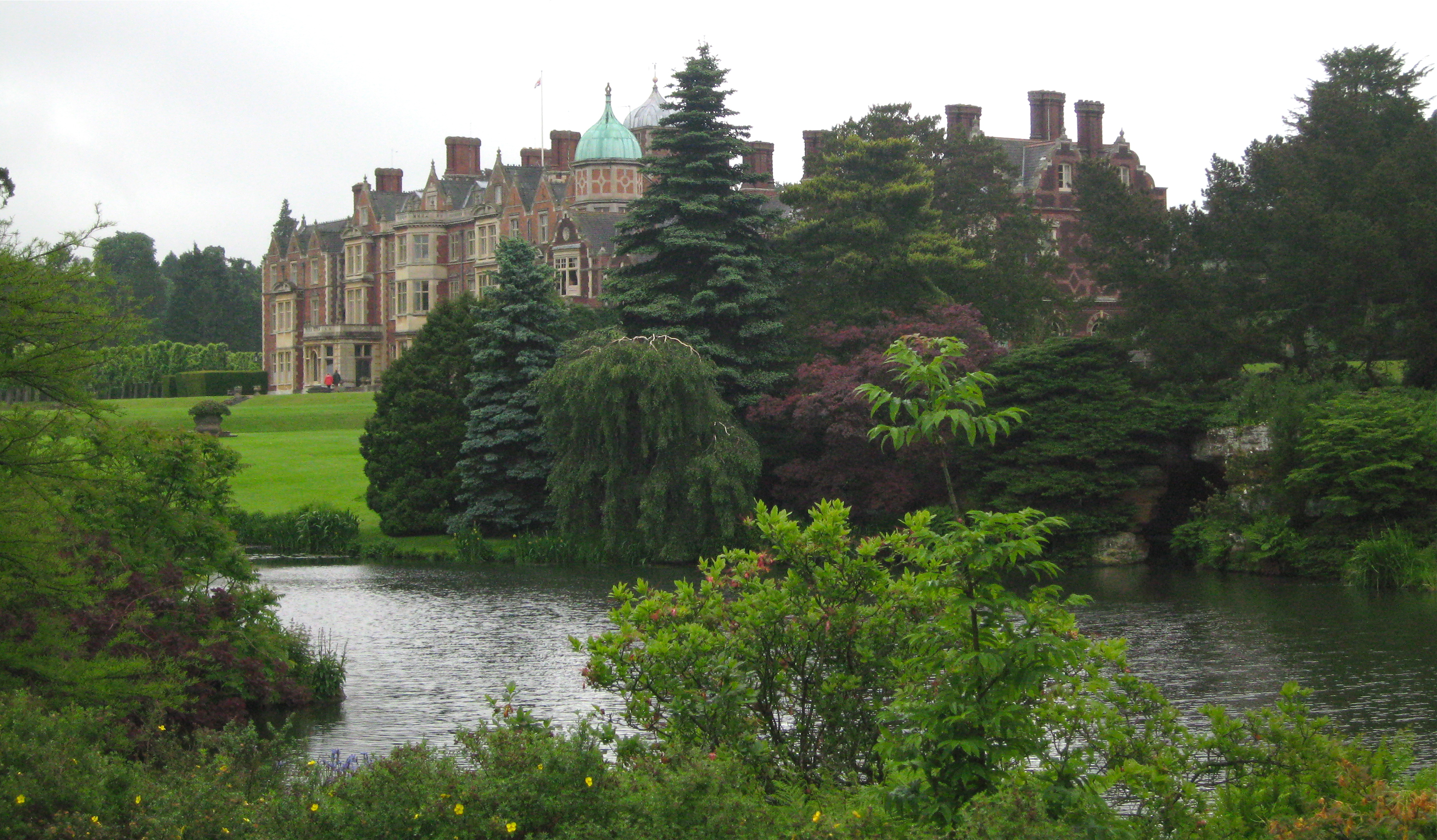
Sandringham, the Queen's estate in Norfolk, England. Photo by me.

Sandringham, the Queen’s estate in Norfolk, England. Photo by me.

We have seen many of these incredible palaces and estates on our travels throughout Great Britain, but it might be fun to revisit them here.   Some are open to the public, some only allow their gardens to be viewed at certain times of the year, and many of the official residences are used for receptions, investitures, banquets and garden parties.
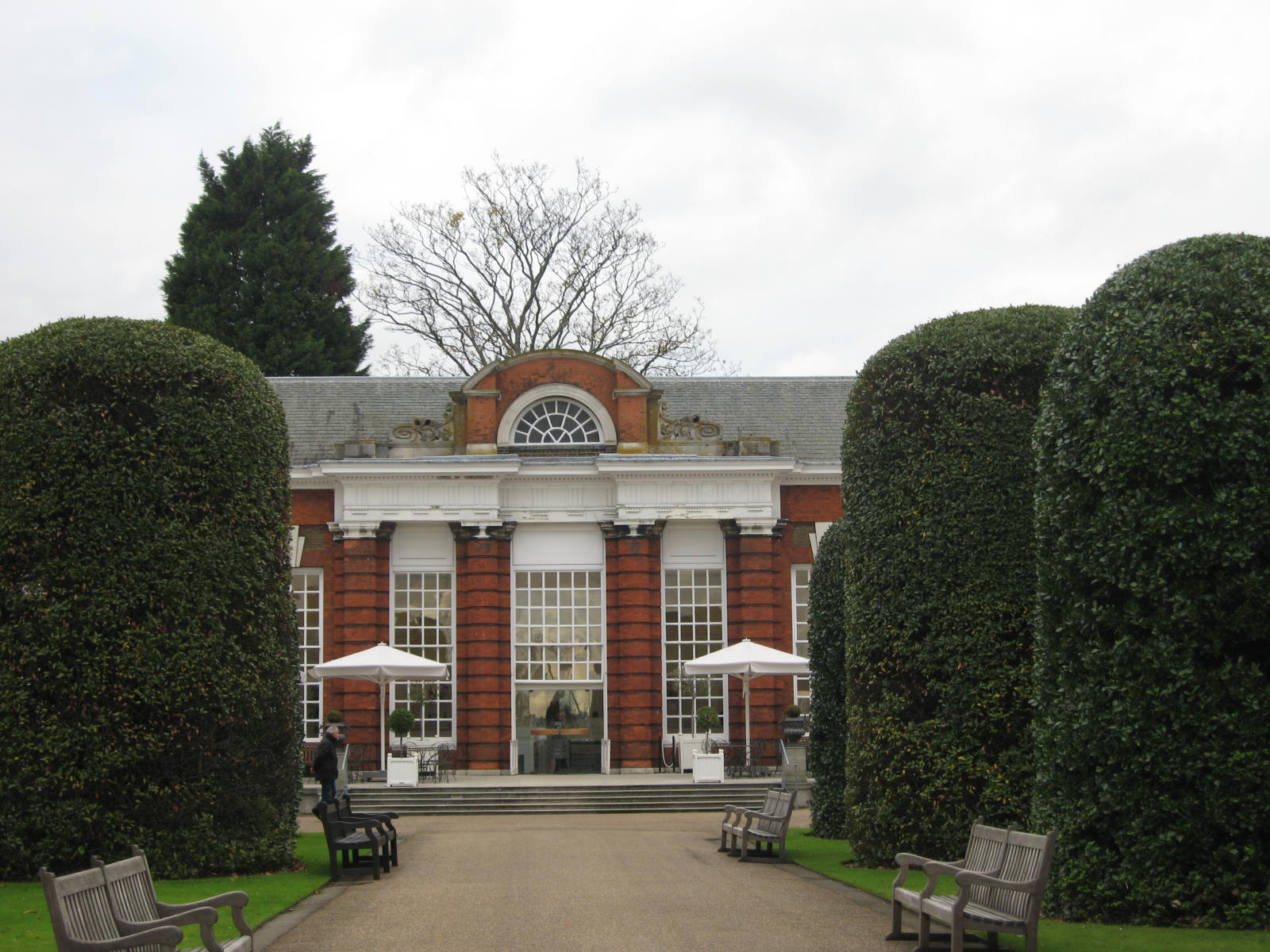
A lovely place to get some lunch just across the garden from Kensington Palace, Photo by me.

A lovely place to get some lunch just across the garden from Kensington Palace. Photo by me.

Then there are the private residences, used by the Royal Family for generations.  These, too, are sometimes available to see, at least from the outside gardens.
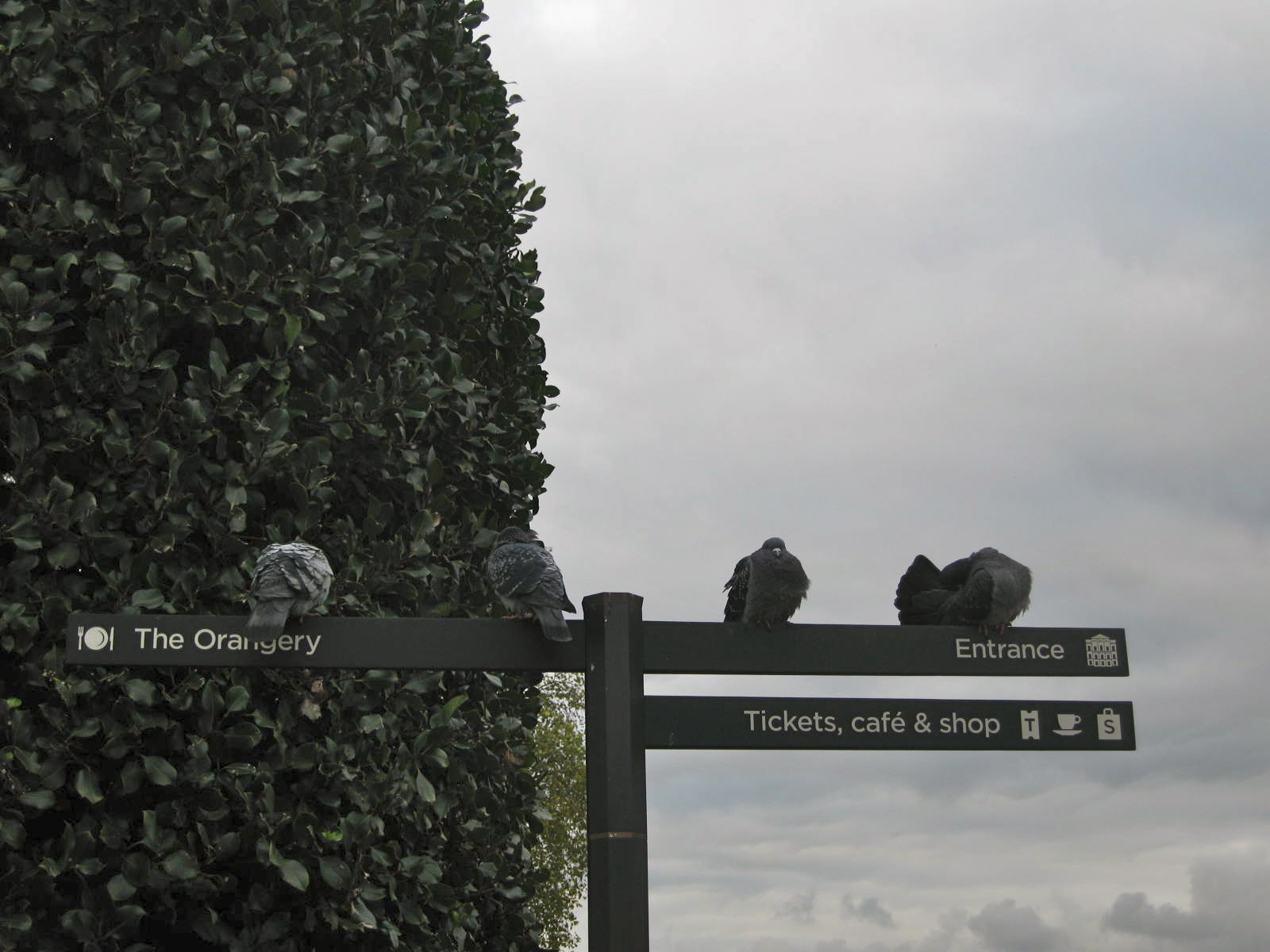
Some visitors waiting outside Kensington Palace in London. Photo by me.

Some feathered visitors waiting outside Kensington Palace in London. Photo by me.

Thanks to the official website of the British Monarchy, I was able to recall all that I had seen, and discover a few I’ve missed.  Next visit, maybe.

Buckingham Palace, The Royal Mews and The Queens Gallery
800px-Buckingham_Palace,_London_-_April_2009

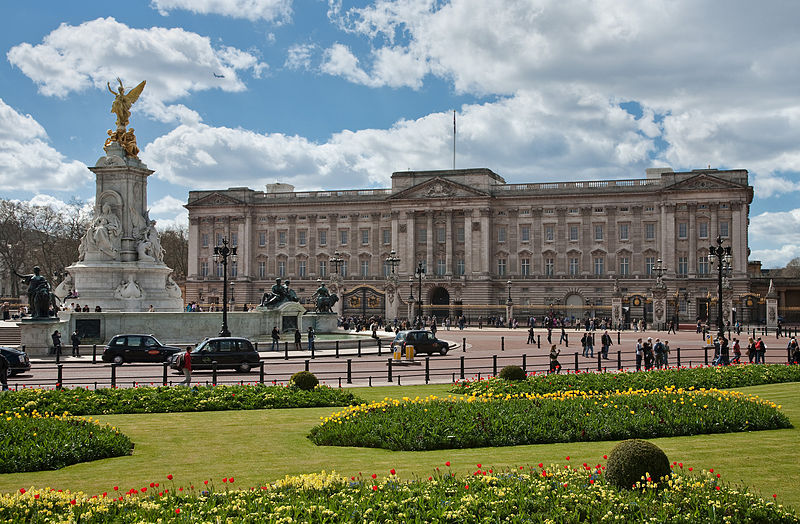
Buckingham Palace, London. Photo by DAVID ILIFF. License: CC-BY-SA 3.0 from Wikipedia Commons

Certainly BP is one of the most familiar Royal Residences from viewing years of public events on television.  We actually went on a tour of the Palace on one of our first trips together to London.  My Beloved Brit had never been inside, and found it fascinating and familiar from all the news footage of the famous residence. The Palace, all 775 rooms of it, has served as the official London residence of Britain’s sovereigns since 1837 and today is the administrative headquarters of Queen Elizabeth II. For information on planning a visit see The Royal Collection website. Just as an aside, there are 52 Royal and guest bedrooms, and 188 staff bedrooms. Oh my!

Windsor Castle
Windsor Castle at sunset viewed from the Long Walk in Windsor, England.Photo by DAVID ILIFF. License: CC-BY-SA 3.0 from Wikipedia Commons

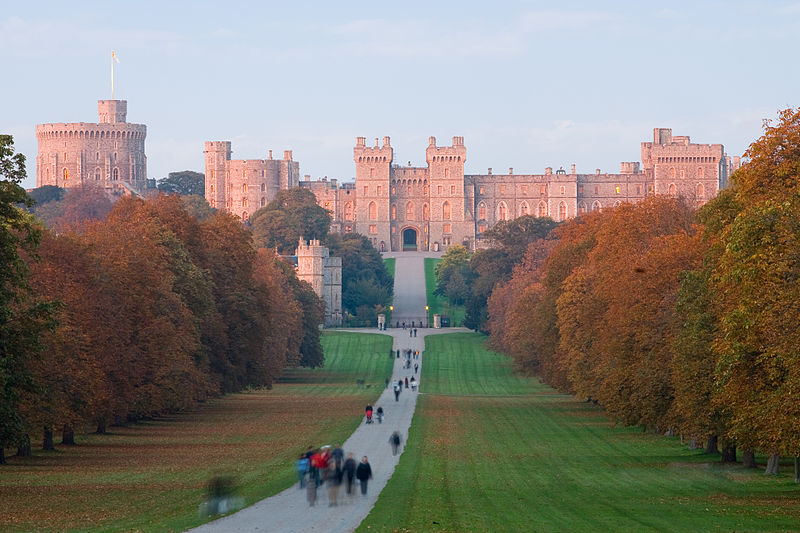
Windsor Castle at sunset viewed from the Long Walk in Windsor, England. Photo by DAVID ILIFF. License: CC-BY-SA 3.0 from Wikipedia Commons

Windsor Castle was one of the first of the Royal Residences that My Beloved Brit and I ever visited together.  It is quite near Heathrow, and the city of Windsor is a good last stopping point before heading to the airport to come home. The Castle itself is very imposing (it is the largest occupied castle in the world!) and right in city center so great to walk to and view. Windsor has been a Royal home and fortress for over 900 years and still is an active residence today. The Queen usually uses Windsor as a private home, escaping from London on the weekends, but it is also used for more formal duties. Every Easter, the Queen takes up official residence for a month–Easter Court. Many parts of the Castle are open to the public. For more information, check here.

Palace of Holyroodhouse
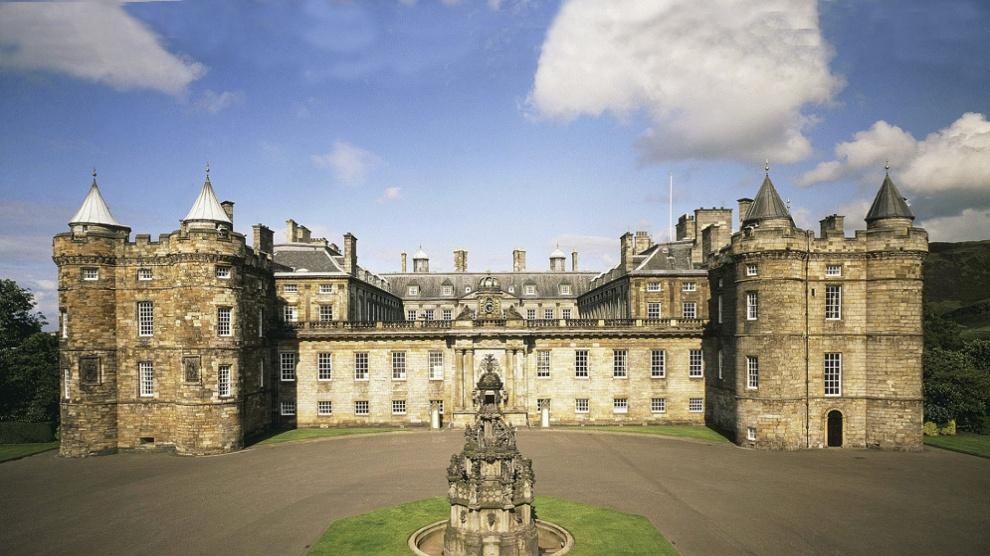
From The Royal Collection site, visit Palace of Holyroodhouse. © HM Queen Elizabeth II 2013

From The Royal Collection site, visit Palace of Holyroodhouse. © HM Queen Elizabeth II 2013

I think this was one of my personal favorites.  I love Edinburgh anyway, and Holyroodhouse has such a strong sense of history. There is so much to see, and much of it seems unchanged from the 1500s. The Queen’s official residence in Scotland, the Palace is closely associated with Mary Queen of Scots, who lived here between 1561 and 1567. You can almost feel the court intrigue and drama.  I half expected to see blood on the floor. For visitor information, see here.

Frogmore House
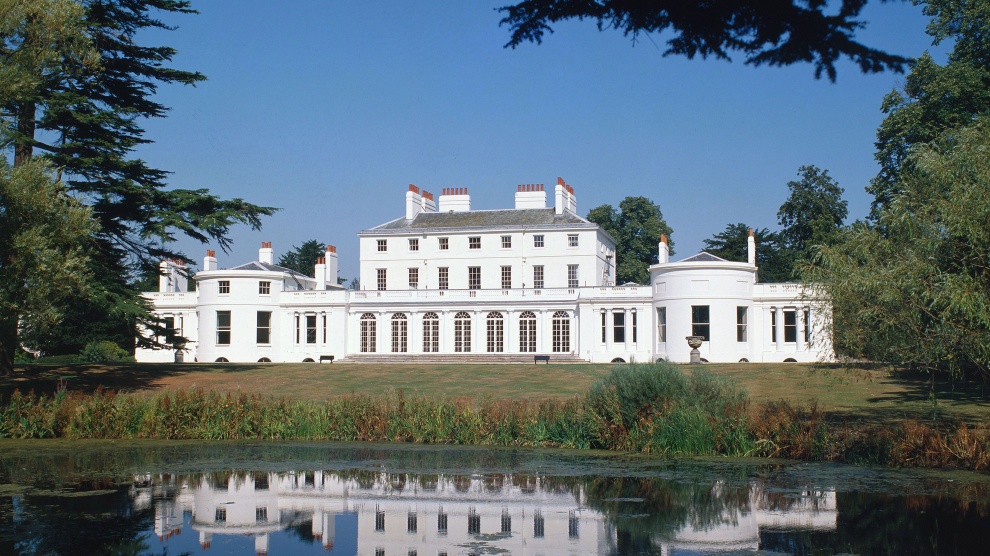
Frogmore

Frogmore House. From The Royal Collection site, visit Frogmore House. © HM Queen Elizabeth II 2013

I have never seen Frogmore House, which is no longer a royal residence, but the house and gardens are sometimes used for official receptions or gatherings hosted by the Royal Family. Frogmore is located on the grounds of Windsor Castle. It is most closely associated with Queen Victoria, and was one of her favorite retreats. In the gardens is the Mausoleum where Queen Victoria and Prince Albert are buried. Check here for visitor information.

Balmoral Castle
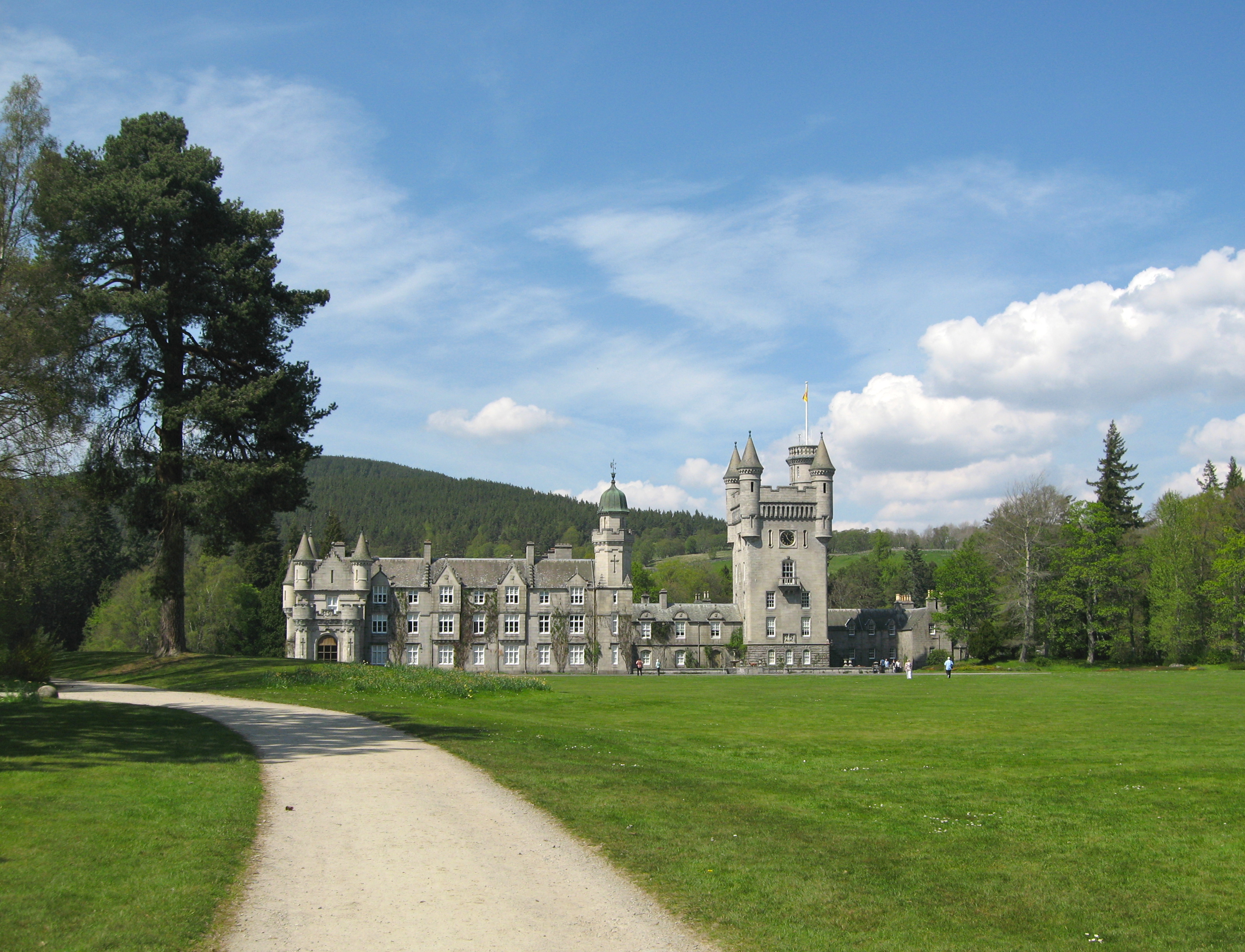
Balmoral in June. Photo by me.

Balmoral in June. Photo by me.

We visited Balmoral in Early June last year, and were shocked to find warm balmy weather…in Scotland!…in June! But we were thrilled.  The gardens were active and blooming early that year.  You can walk around the gardens, the stable exhibitions and the ballroom at Balmoral, but not actually through the Castle.  That was fine.  The grounds are magnificent. Located in Aberdeenshire, Scotland, it is the private residence of the Queen who spends her summer family holiday there every August. Visit the Balmoral website.

Sandringham House
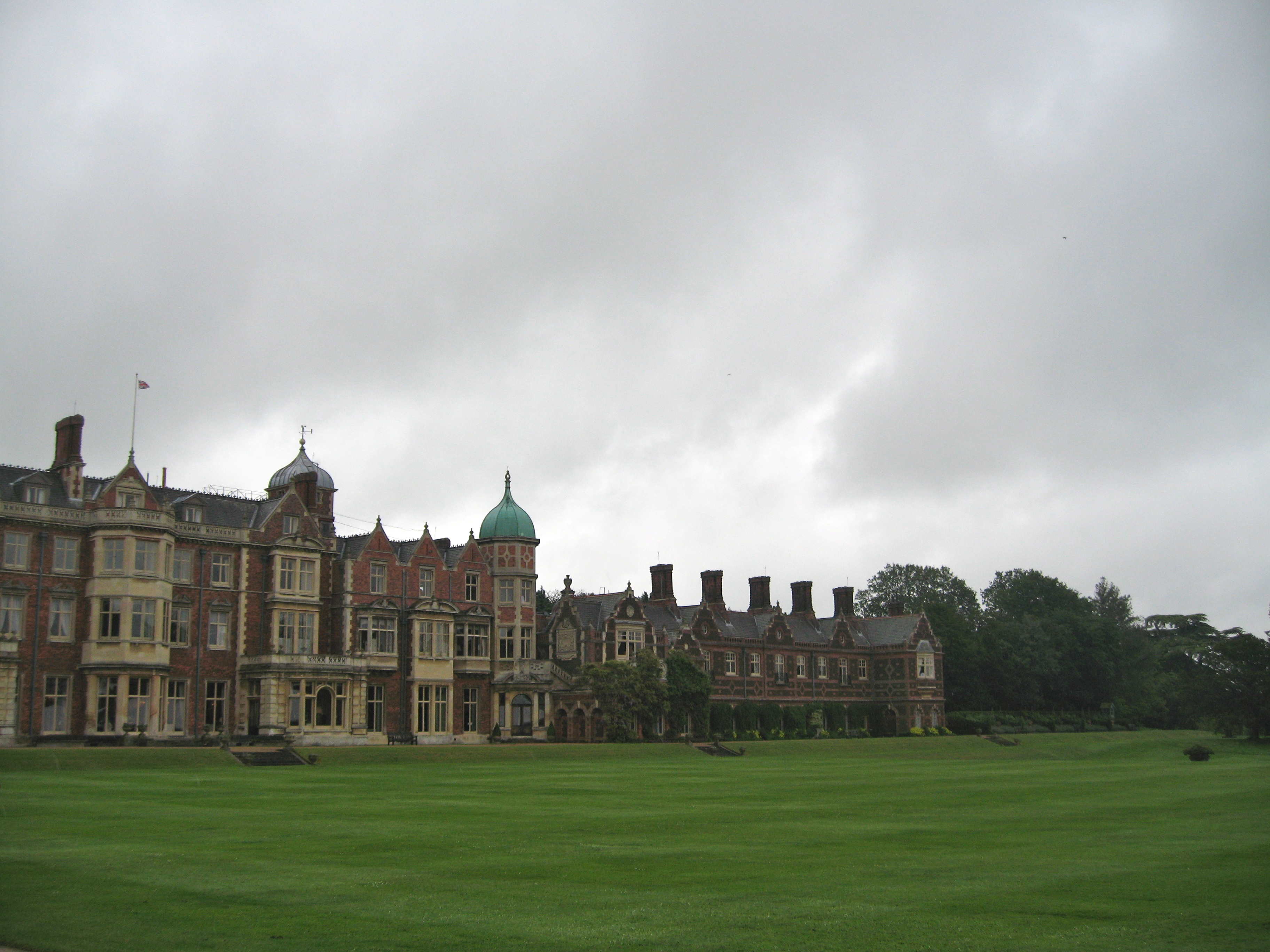
Sandringham House in June.  The grounds are as lovely as the house. Photo by me.

Sandringham House in June. The grounds are as lovely as the house. Photo by me.

This lovely sprawling house on a charming estate is in Norfolk in Eastern England, and we got to visit it last summer.  It has been the private home of Sovereigns since 1862.  The Queen and members of the Royal Family spend Christmas at Sandringham, and you can walk the grounds as they do each year, strolling from the grand main house to the small church where they attend Christmas services. We were able to tour the grounds and gardens, a large museum and exhibition in the stable block which had an extensive car collection, as well as walk through the main level of the house.  We could even gaze at the table where the Queen works on her crossword puzzles.  It was all very intimate and warm.  For information on times when you can visit the residence, check here.

St. James’s Palace
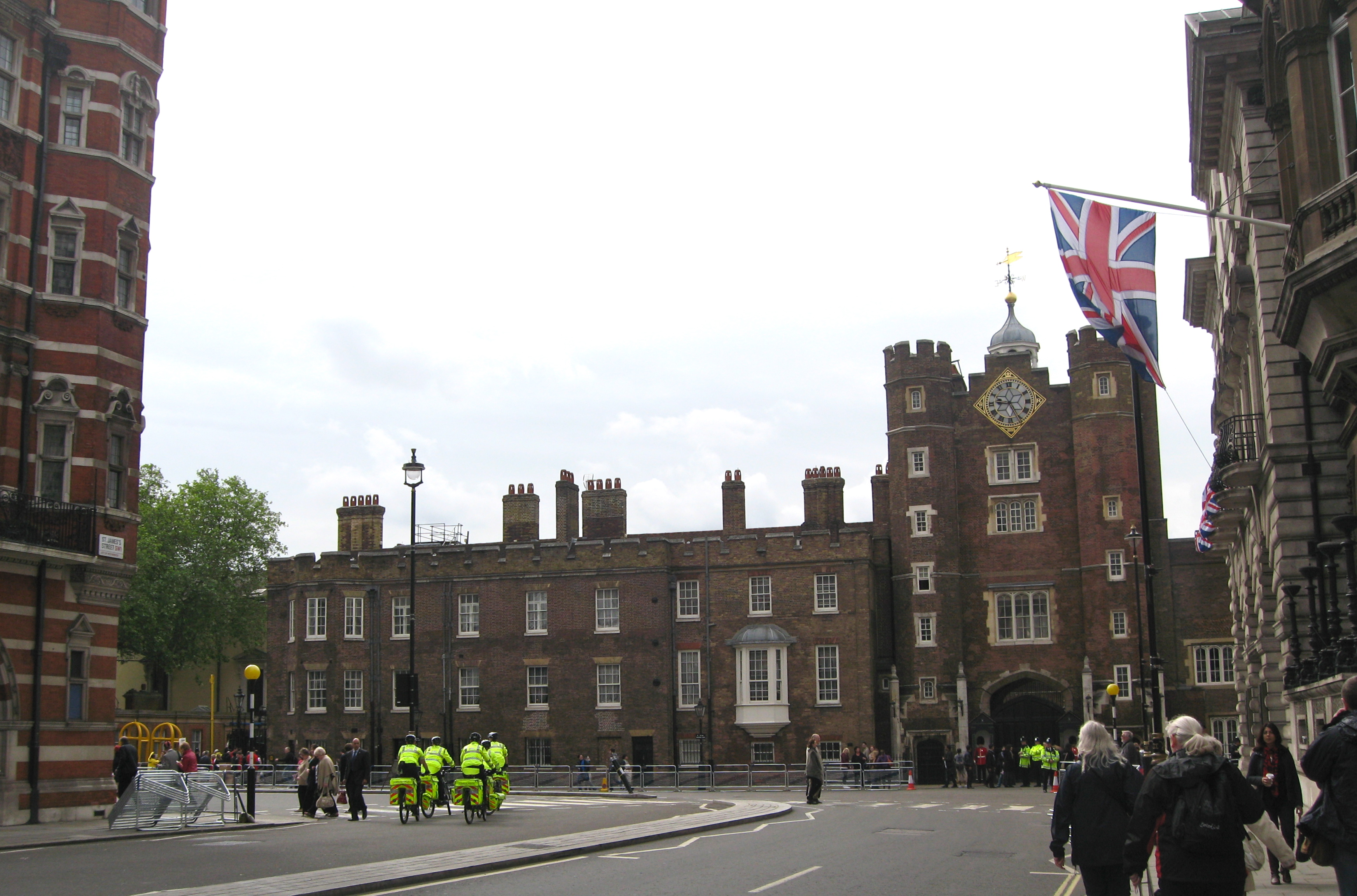
St James's Palace during Jubilee Week. Photo by me.

St James’s Palace during Jubilee Week. Photo by me.

This historic palace is not open to the public, but when we stay in London at My Beloved Brit’s sailing club, we pass it every day on our way to the Mall and other parts of London. It is home to several members of the Royal Family and their household offices. One of London’s oldest palaces, it is just north of St. James’s Park. It was originally commissioned by Henry VIII and constructed between 1531 and 1536 in red-brick Tudor style around four courtyards.

Kensington Palace
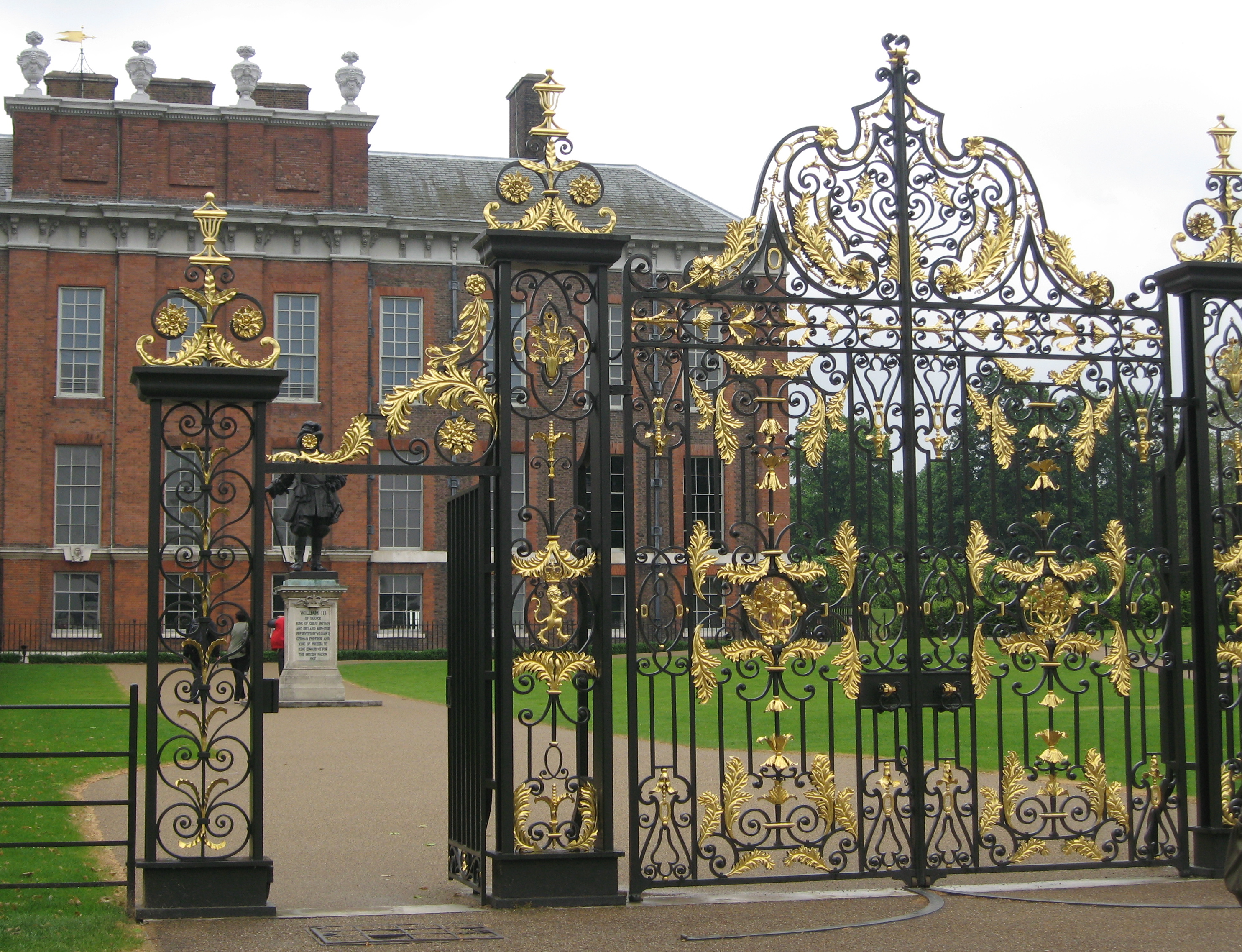
The Gates at Kensington Palace. Photo by me.

The Gates at Kensington Palace. Photo by me.

The home of several members of the Royal Family, one of the most interesting and exciting facts of KP is that the Duke and Duchess of Cambridge (Will & Kate) who currently live there and are in the process of renovating the much larger apartment that used to be Princess Margaret’s.  Hopefully all will be done in time for the arrival of baby Prince or Princess, but word has it the renovation may not be ready until the autumn.  I love Kensington Palace and one section of it reopened to the public just a couple of years ago.  It has incredibly well done exhibitions of Royal Apartments, Queen Victoria’s romance with Prince Albert, and special displays.  It also has a marvelous tea shop attached to the gift shop, where you can find a quiet reprieve from a day of touring.  For information on visiting, check here.

Clarence House
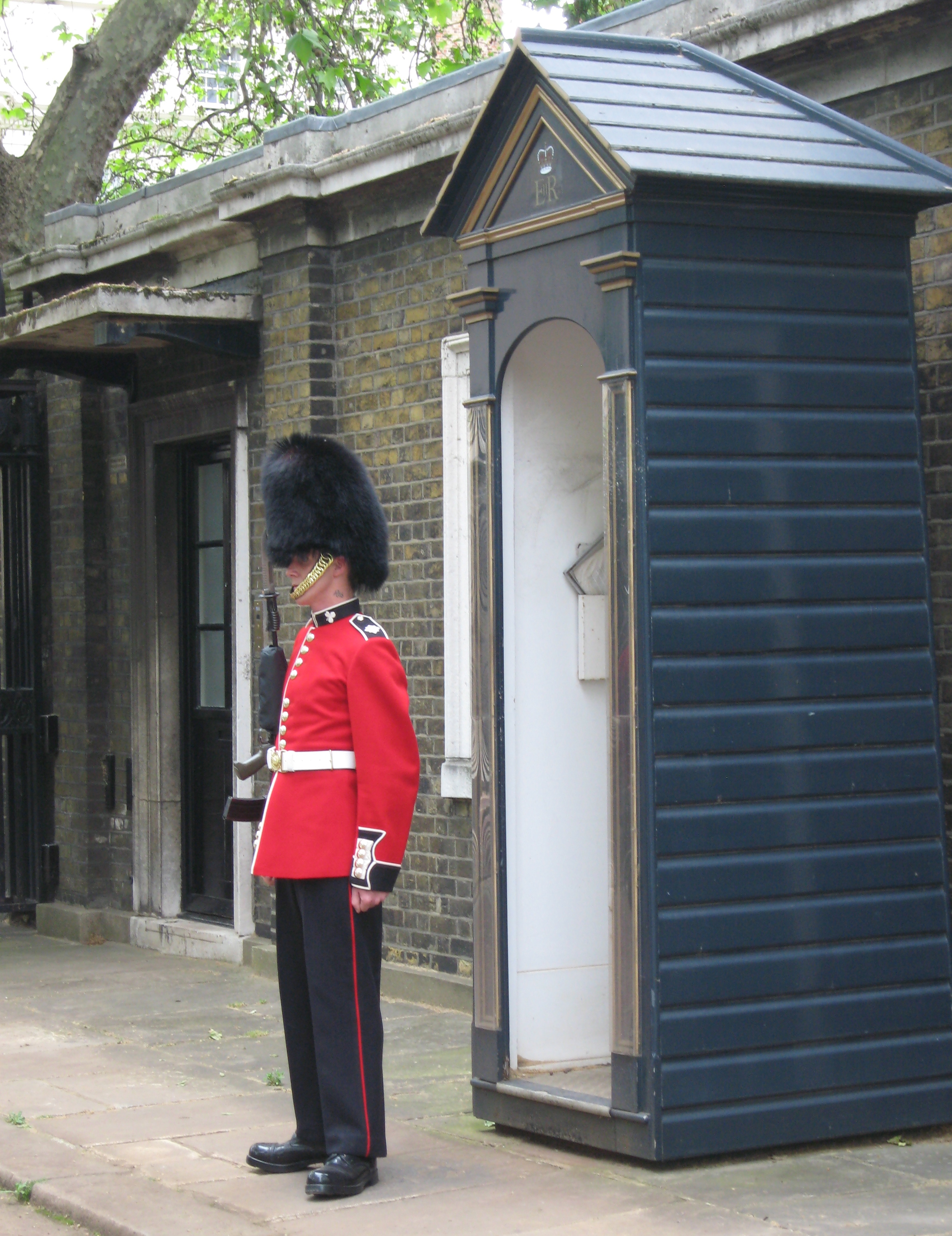
Standing Guard outside of Clarence House. Photo by me.

Standing Guard outside of Clarence House. Photo by me.

I actually saw the Queen Mother exiting through the London gates of Clarence House on my very first visit ever to London…even before I knew My Beloved Brit even existed.  I think that hooked me on GB Royal Tradition. Everyone lining The Mall stopped and waved as she waved back through the car window.  It was her home from 1953 until 2002. Clarence House is still on my list to visit, and I am hoping perhaps this summer I may be able to check it off. It stands right beside St. James’s Palace on The Mall and was built between 1825 and 1827. It is now the Official residence of The Prince of Wales and the Duchess of Cornwall and is open to the public during the summer months each year. Although it was closed last summer, because of the logistics of the Olympic Games in London, it will re-open summer 2013. For information, check here.

Unoccupied Royal Residences There are many buildings throughout Great Britain that have a Royal connection. Some, like Osborne House, the much-loved home of Queen Victoria and Prince Albert on the Isle of Wight, The Brighton Pavillion, a former residence of George IV when he was Prince Regent, Hampton Court Palace (home of Henry VII), and The Tower of London where the Crown Jewels can be seen. For more information on these, and other unoccupied Royal residences, click here.
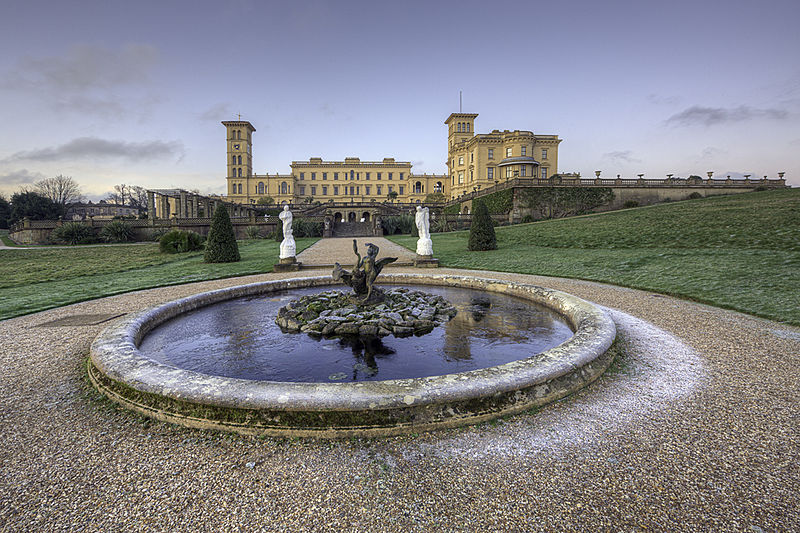
Osborne House.  Photo from Wikipedia Commons WyrdLight.com

Osborne House from the lower garden, Isle of Wight. Photo from Wikipedia Commons WyrdLight.com

I won’t go in to any more detail here, but if you have time, explore The Royal Residences of Great Britain preferably in person, but, if nothing else, online.  It gives such a wonderful picture of the United Kingdom’s Monarchy and the rich history of the country.  Happy exploring.

Hollywood Sends Greetings

16 Tuesday Apr 2013

Posted by pat in Art, History, movies, The Royal Family, Uncategorized

≈ Leave a Comment

Tags

King George V, Silver Jubilee

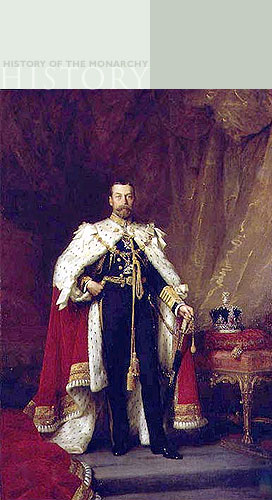
I found this wonderful item on The British Monarchy’s photostream on Flickr. British residents in Hollywood sent greetings to King George V on the occasion of his Silver Jubilee in 1935. Click the link to see a few famous signatures. Even more fascinating to me as a former full-time graphic designer, is that the copyright on the image is to Queen Elizabeth II 2013! Her Majesty has a Flickr account AND a copyright.

http://www.flickr.com/photos/britishmonarchy/8618331893/

King George V by Sir Samuel Luke Fildes (1843-1927), The Royal Collection © 2006, Her Majesty Queen Elizabeth II

King George V by Sir Samuel Luke Fildes (1843-1927), The Royal Collection © 2006, Her Majesty Queen Elizabeth II

Jane Austen and Bath

04 Monday Feb 2013

Posted by pat in Bath, England, History, Travel

≈ Leave a Comment

Tags

Jane Austen, literature, Pride and Prejudice

Last week marked the 200th anniversary of the first publication of Jane Austen’s Pride and Prejudice. Two centuries later, it is still going strong.

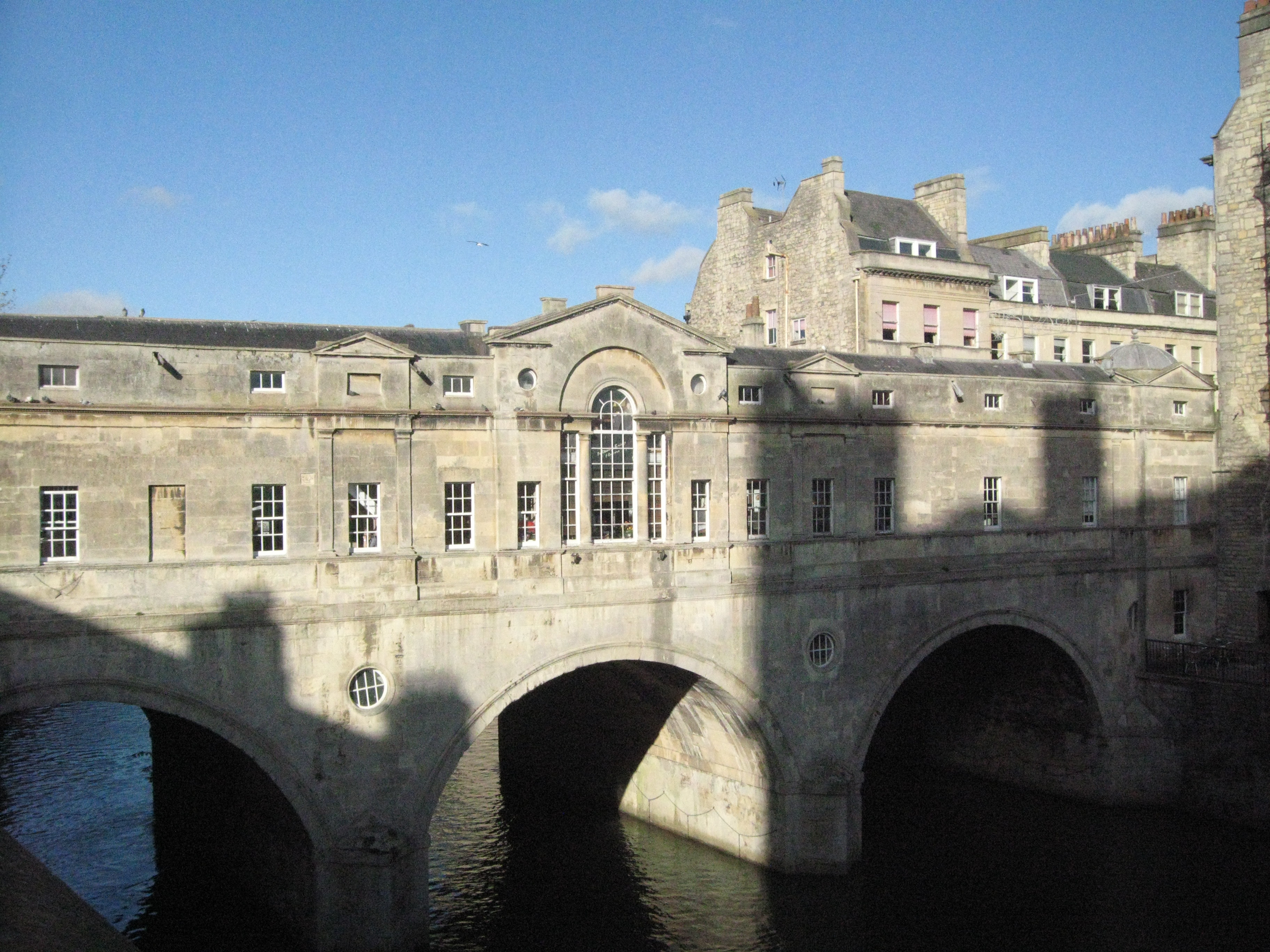
Bath, England--home to Jane Austin two centuries ago. Photo by me

Bath, England–home to Jane Austin two centuries ago. Photo by me

Attached is an excellent story about Jane and Bath, England, and the celebration.

(And for information about our art workshop in Bath in September, click the word “workshop” at the top of this page.)

Mind the Gap

12 Saturday Jan 2013

Posted by pat in History, London, Travel

≈ 1 Comment

Tags

London underground, mind the gap

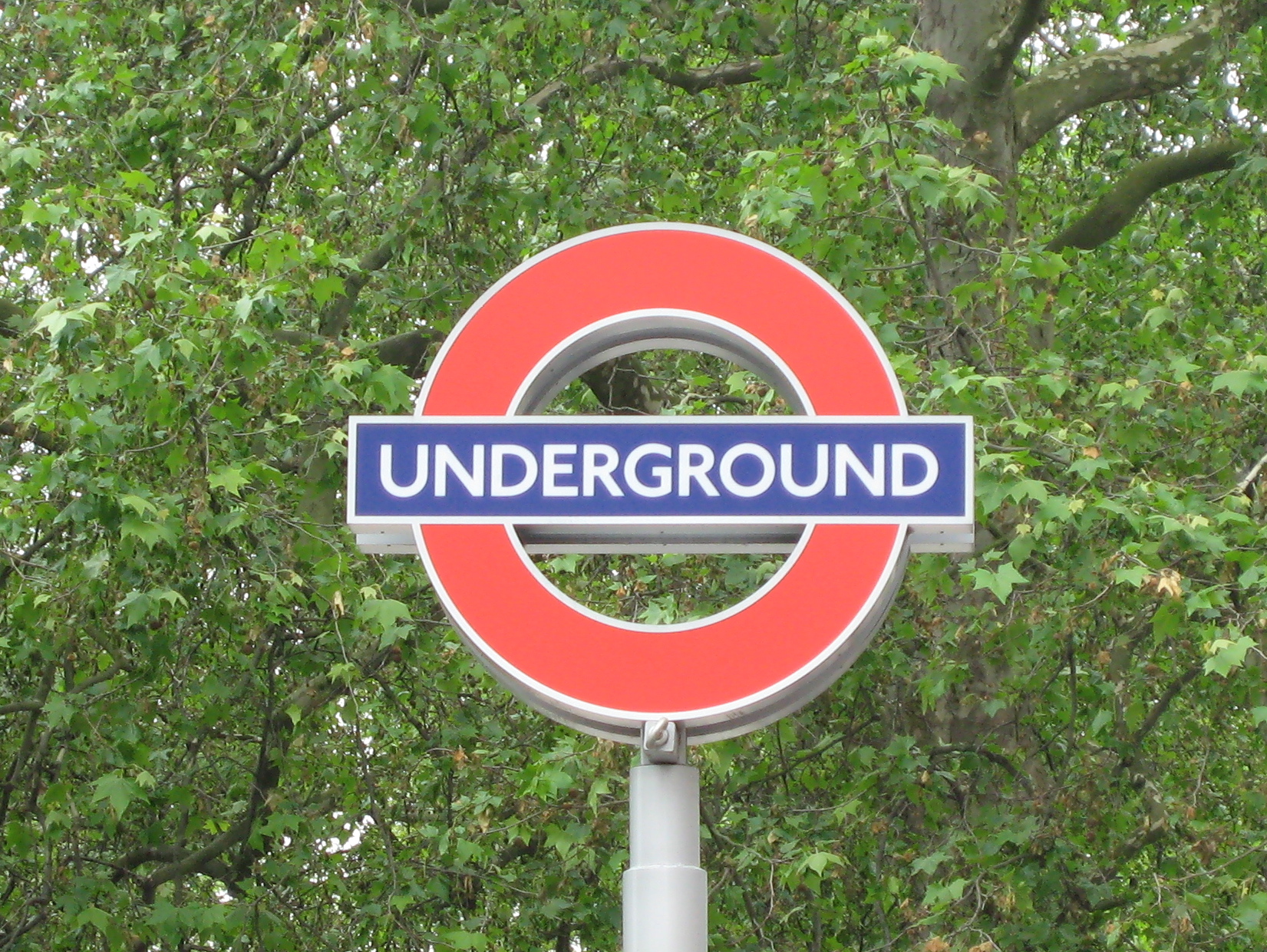
The London ” Tube” celebrates 150 years this week, the world’s oldest underground railroad.  The underground is definitely one of my favorite ways to get around London, especially once I figured out the Oyster Pass.  Happy birthday!

The Underground...a must for getting around London. Photo by me

The Underground…a must for getting around London. Photo by me

Thames Sailing Barges

09 Wednesday Jan 2013

Posted by pat in England, History, Sailing, United Kingdom

≈ 2 Comments

Tags

Maldon, Thames Sailing Barges

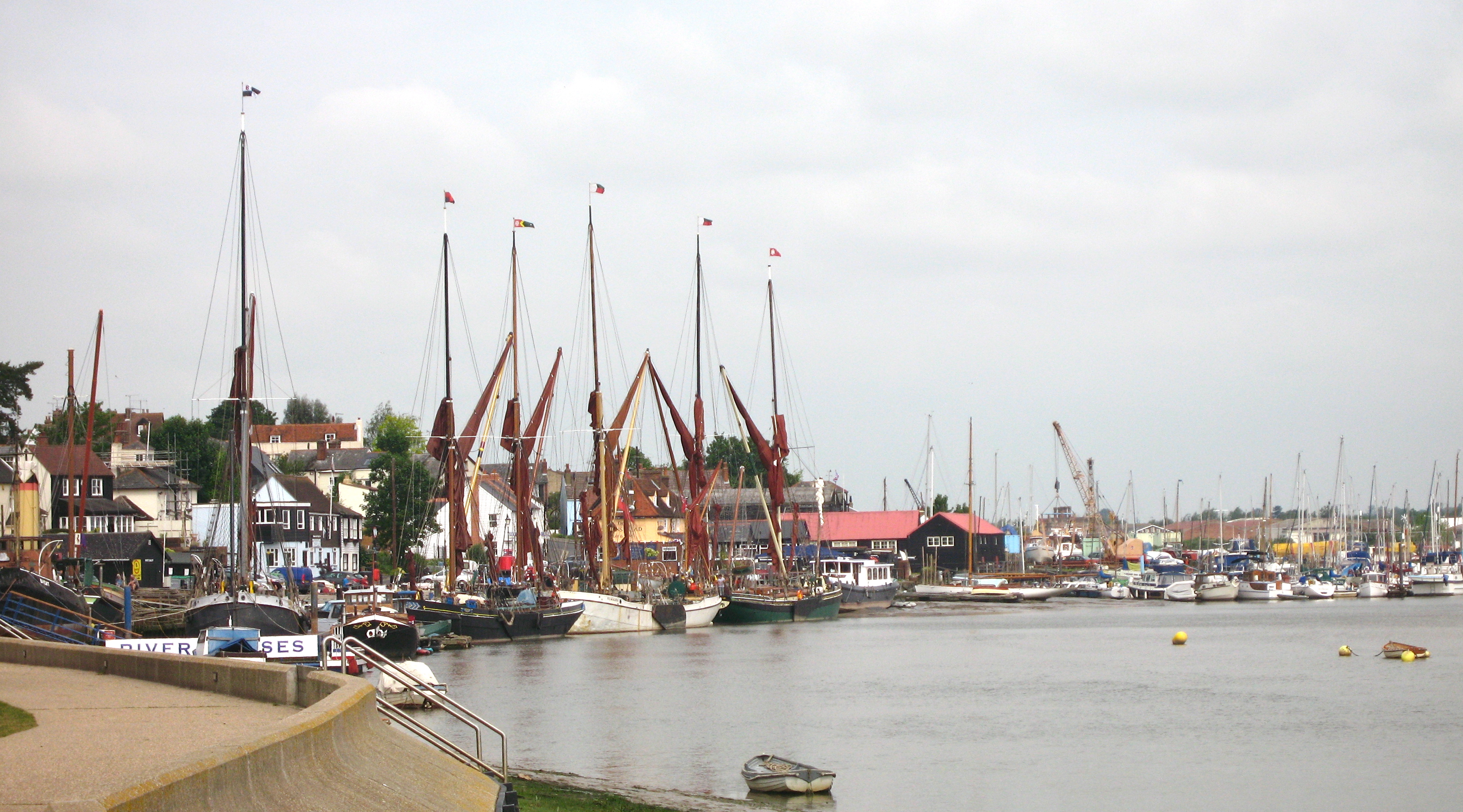
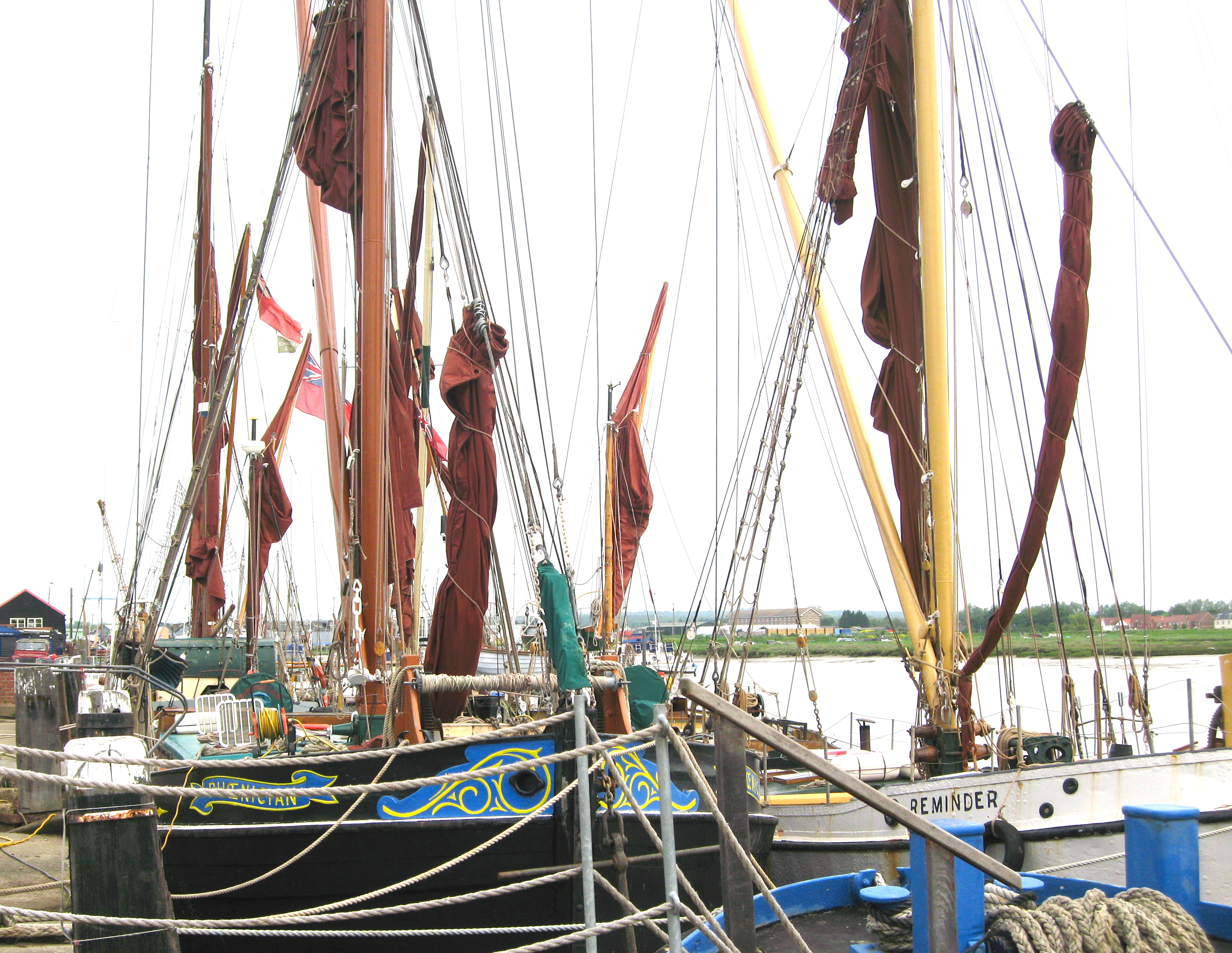
Last summer, we spent a lovely afternoon in Maldon looking at the Thames sailing barges moored there in regal splendor.  They are sculptural and historic, and were used to transport supplies up and down the coast. Now you can charter them for the day, but some still work.

The Thames sailing barges line the seawall of Maldon in Essex. Photo by me.

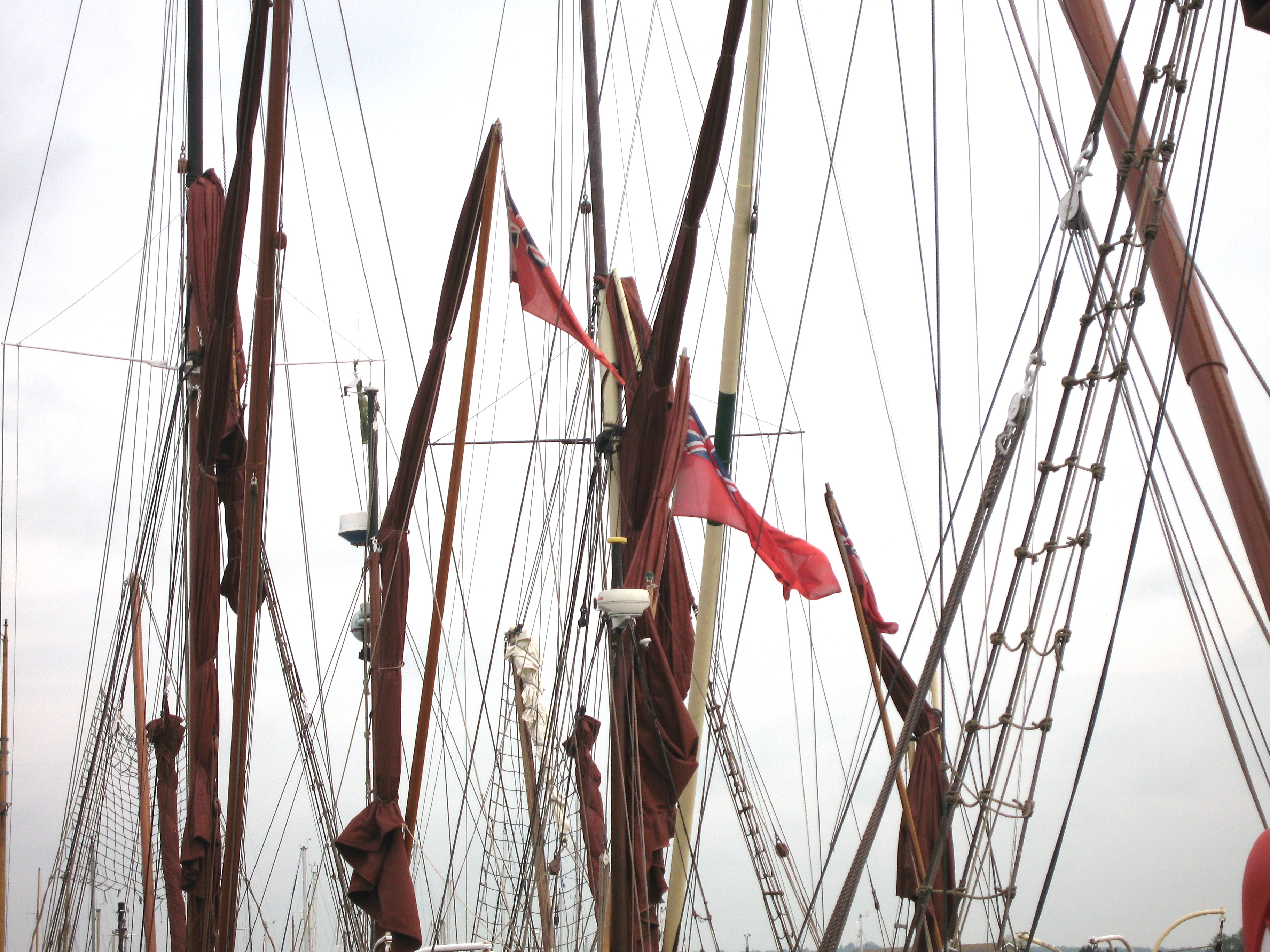
Each had its own style, colors and beautiful woodwork.  The patterns of the masts against the sky were graphic and strong.

Masts. Photo by me

I love that England is an island, and so much of the country centers on boats and especially sailing.  The great naval power and all that. I grew up on Long Island in New York, so maybe I just feel at home surrounded by water.
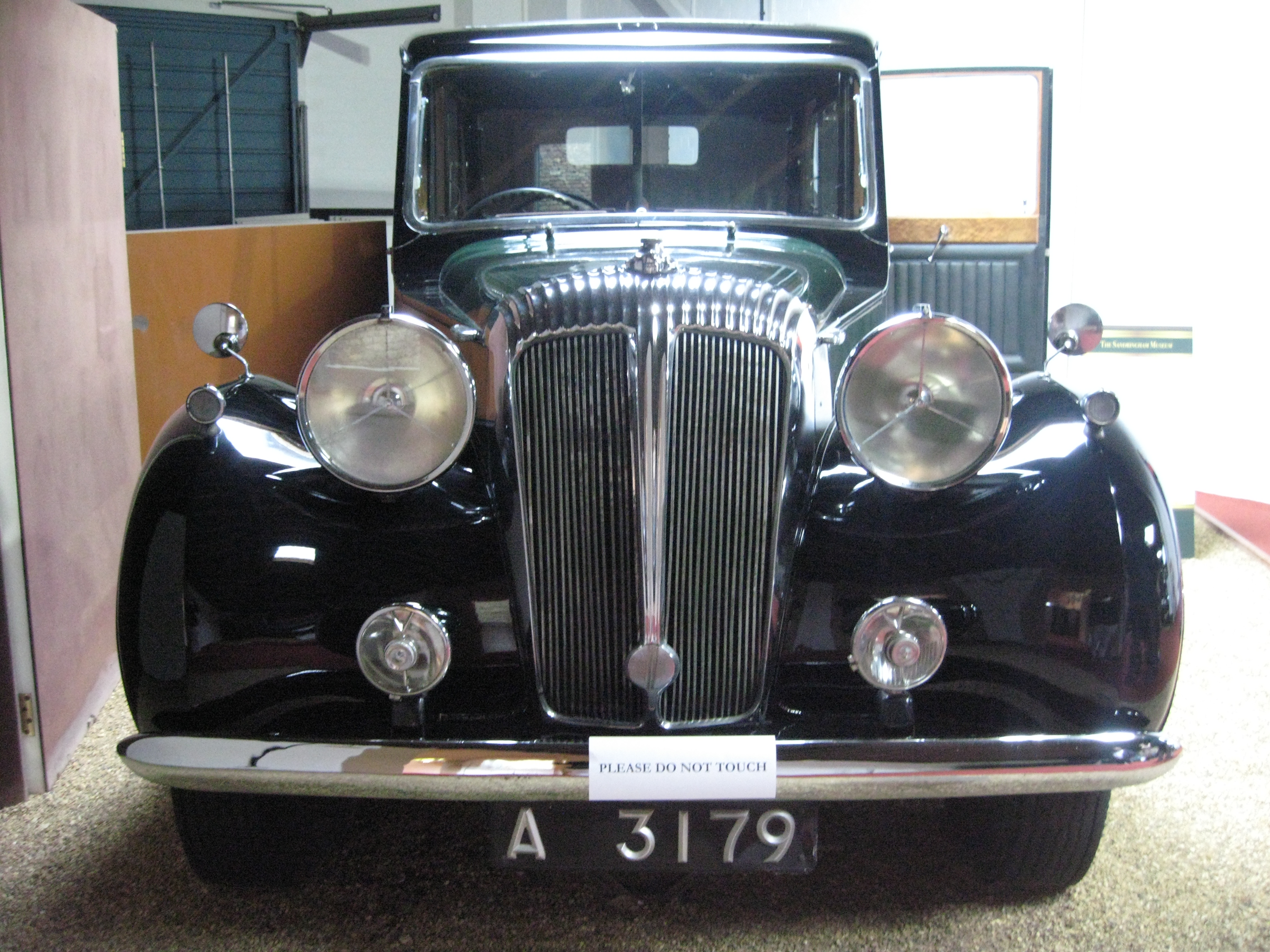
Photo by me

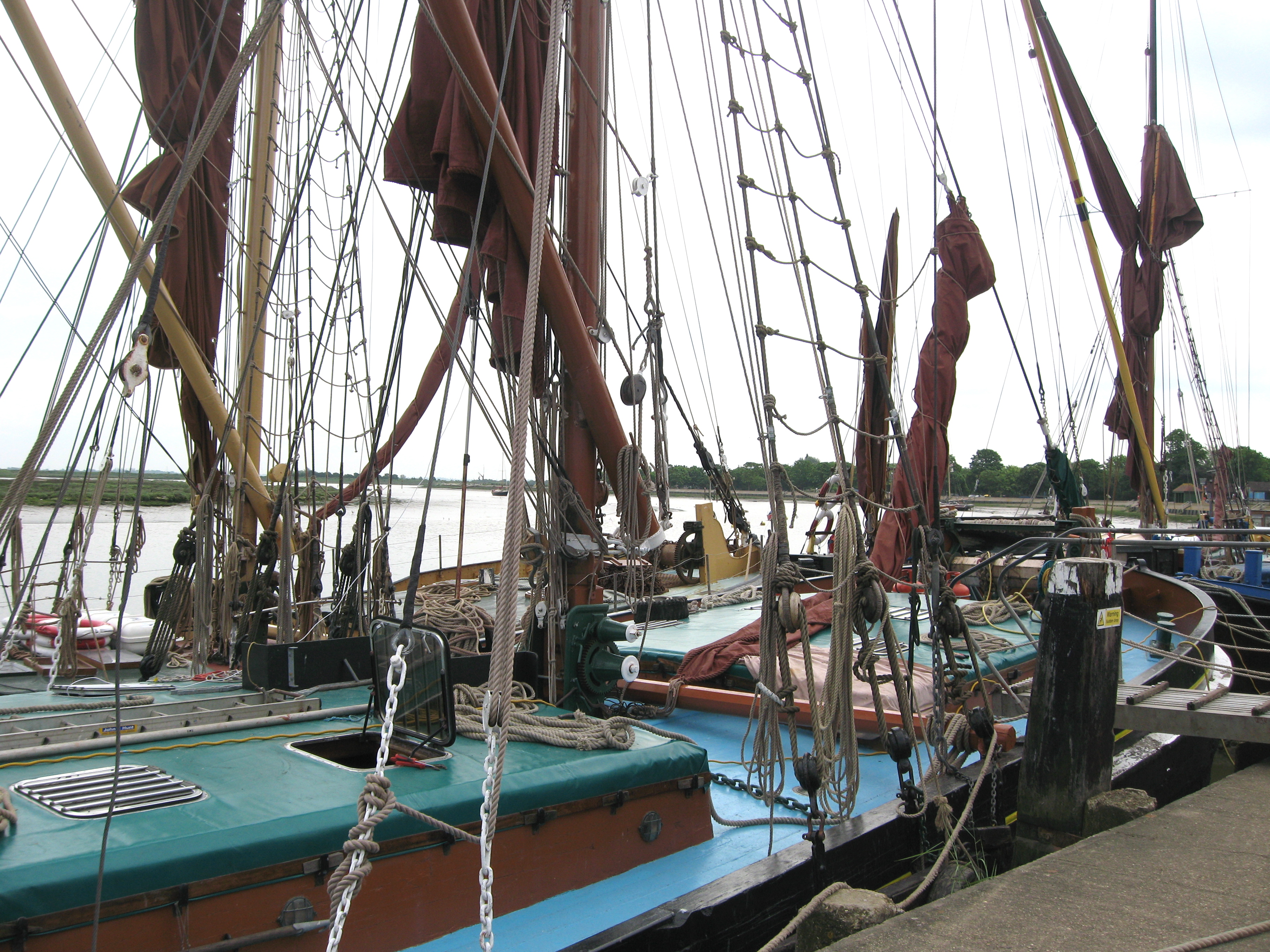
But what is so interesting in Great Britain, is that each section of the country seems to have its own design of boat and navigational style.  Being married to My Beloved Brit, an avid sailor, I have my own personal tour guide when we visit these ports. And he is always willing to spend the time walking along the docks and explaining the idiosyncrasies of each boat to me.

photo by me

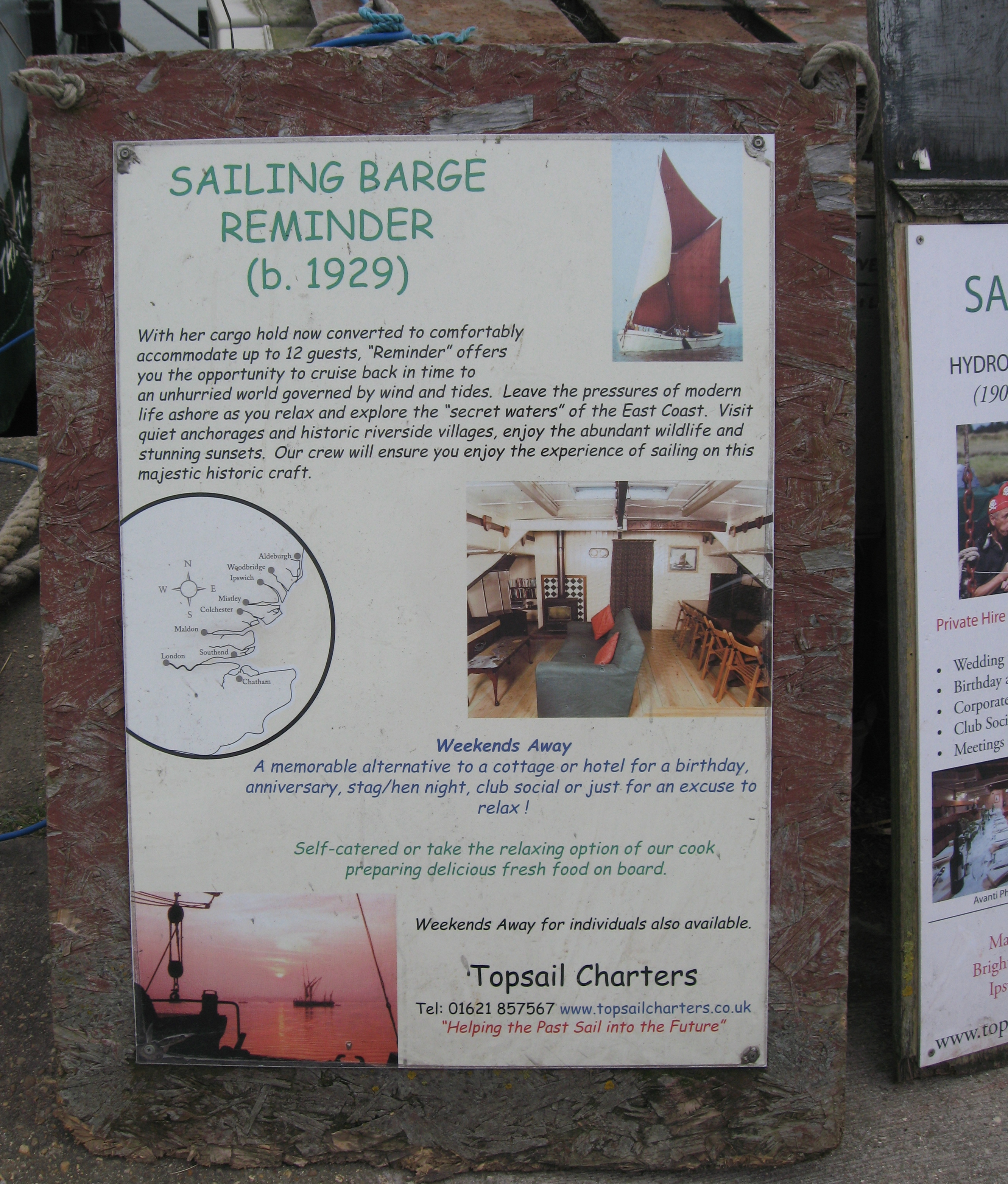
The Barge Trust has lovingly labelled all these historic barges with details of their history.  MBB could have spent hours here just looking.
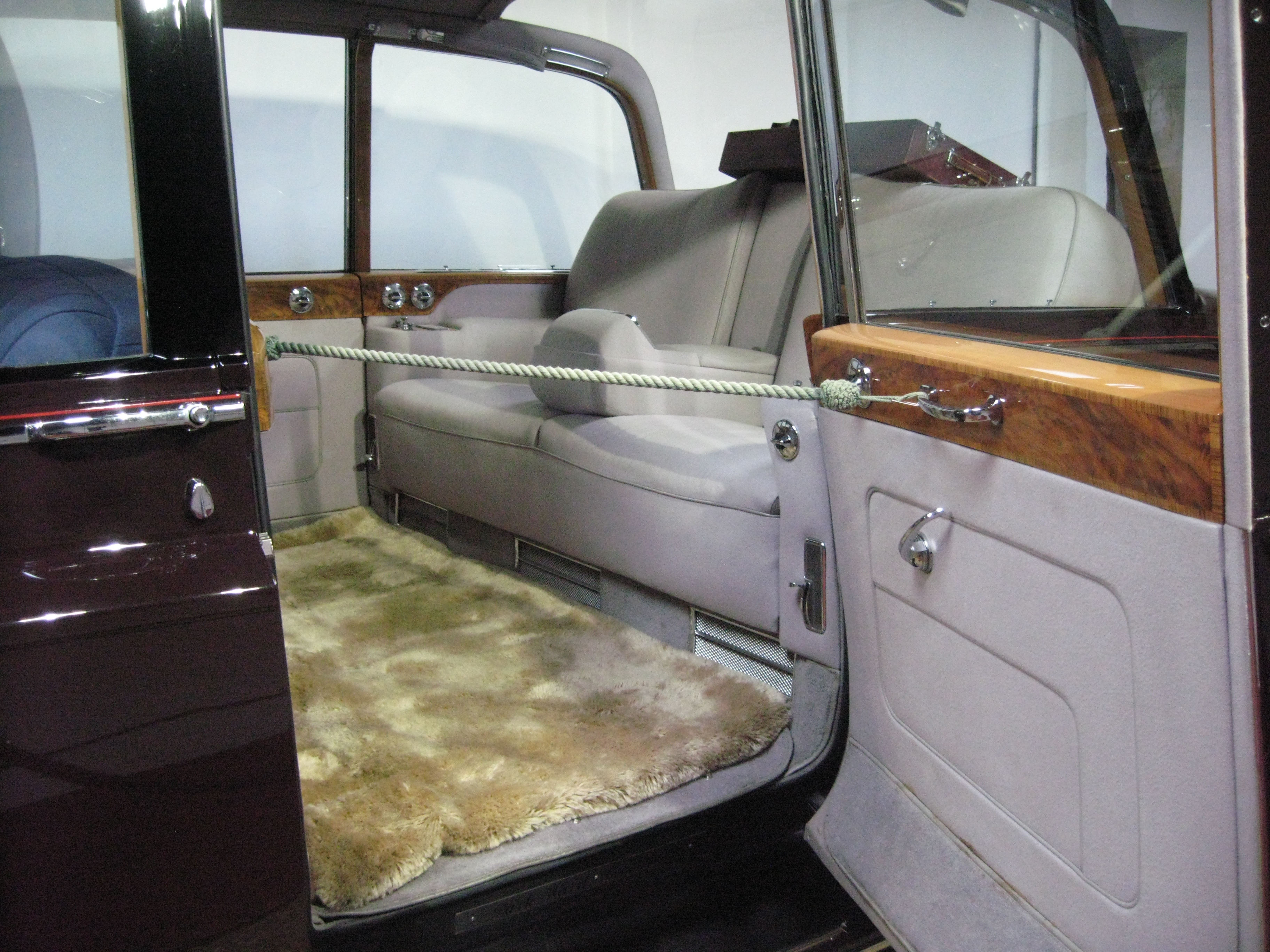
Photo by me.
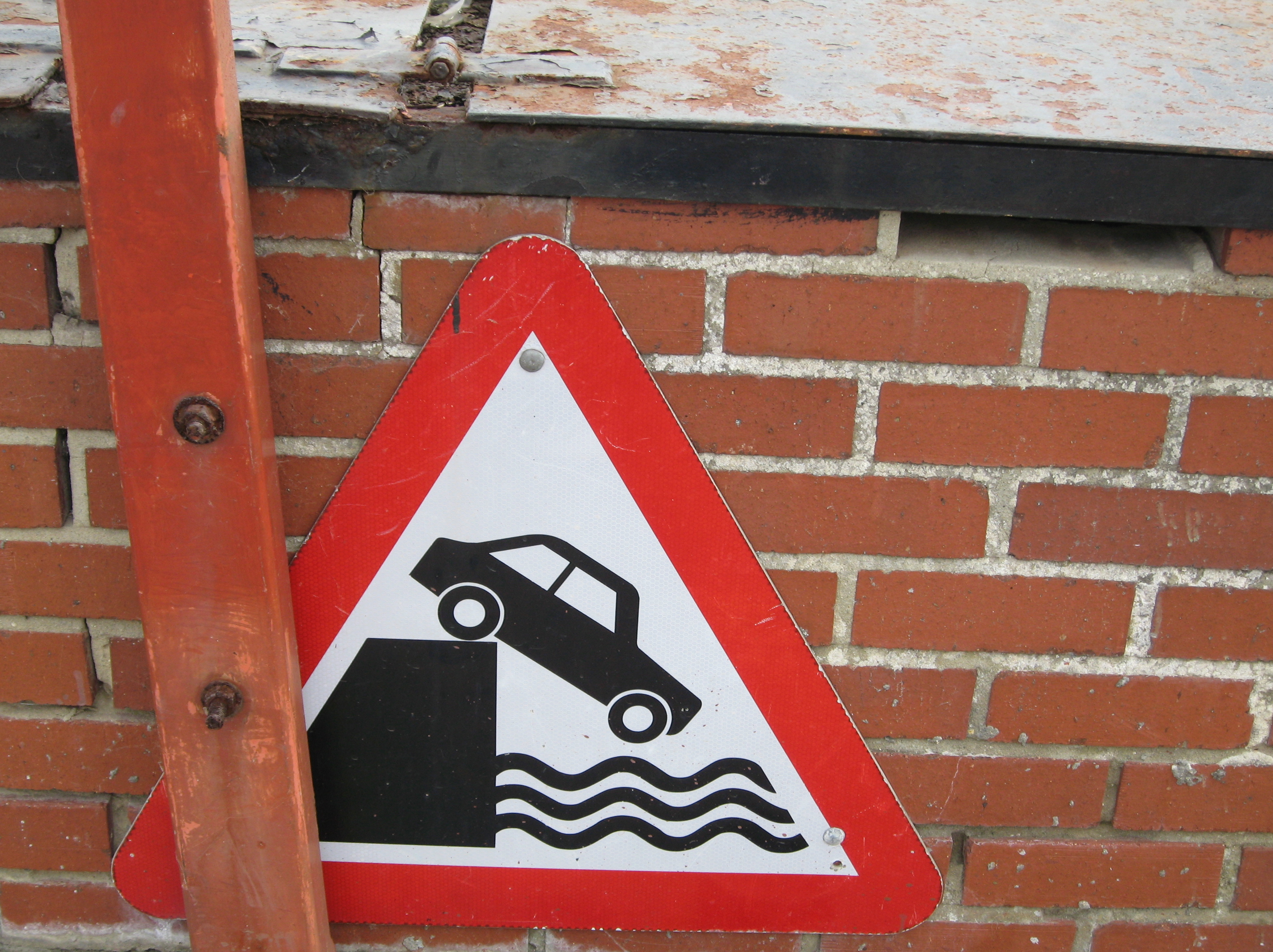
But my favorite sign had to be this one…

photo by me

You have been warned.

Bath, even in the rain, is beautiful.

13 Tuesday Nov 2012

Posted by pat in Art, Art Museums & Exhibitions, Bath, History, Travel, Uncategorized, United Kingdom

≈ Leave a Comment

Tags

Holburne Museum, Pulteney Bridge

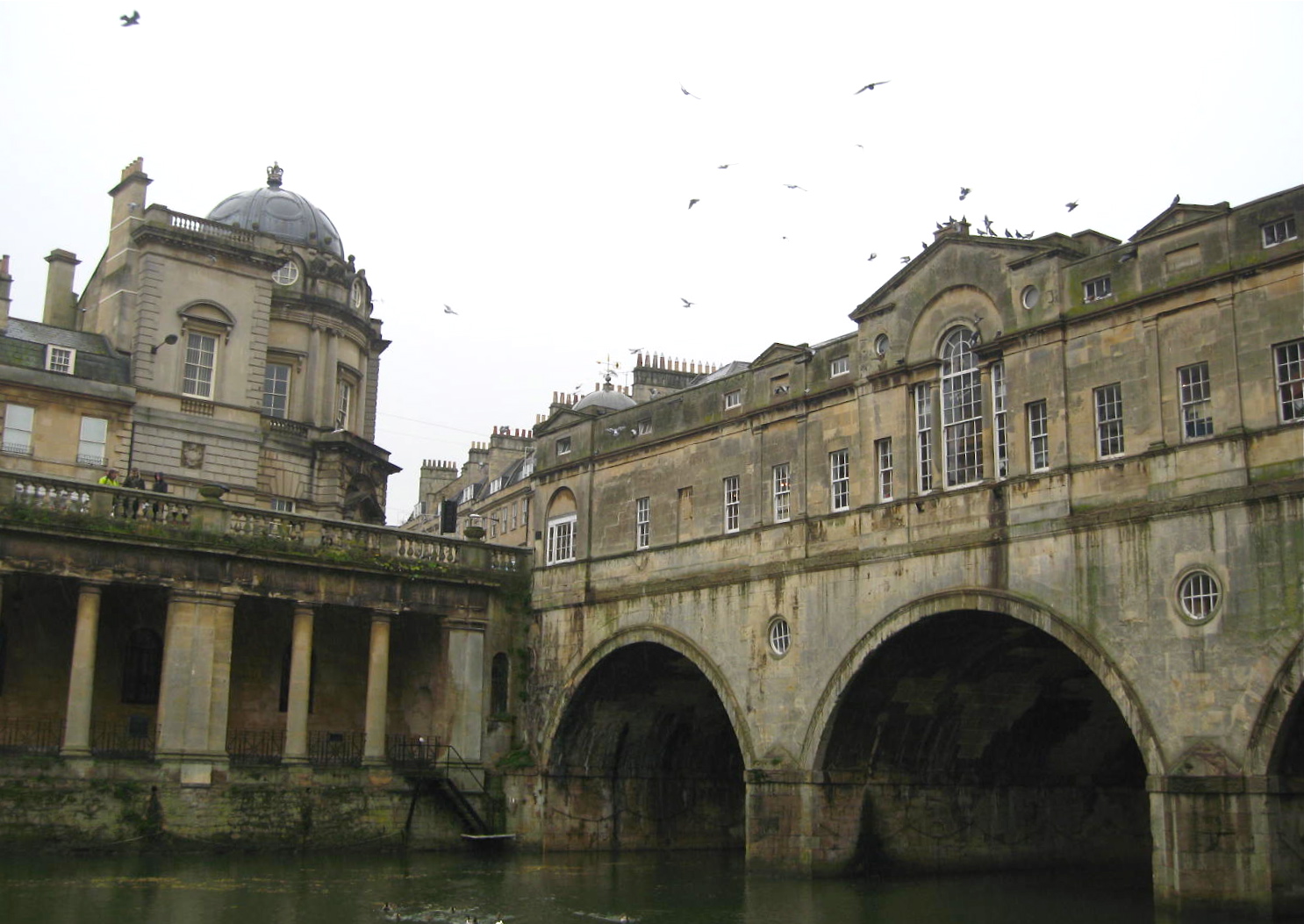
I was out walking in the rain yesterday, and managed to have a wonderful time, even with the inclement weather.  My Beloved Brit’s favorite old saying goes something like “…if you didn’t do anything in England because it was raining, you’d never do anything”.

The Pulteney Bridge is the only historic bridge, apart from the Ponte Vecchio in Florence, to have shops built in to it, according to the guidebook in my room. Photo by me.

I am busy researching this location for a possible destination workshop for artists next fall, and I must say, this area is so rich in character, museums and spectacular visuals that it seems perfect.

By the side of the River Avon. Photo by me

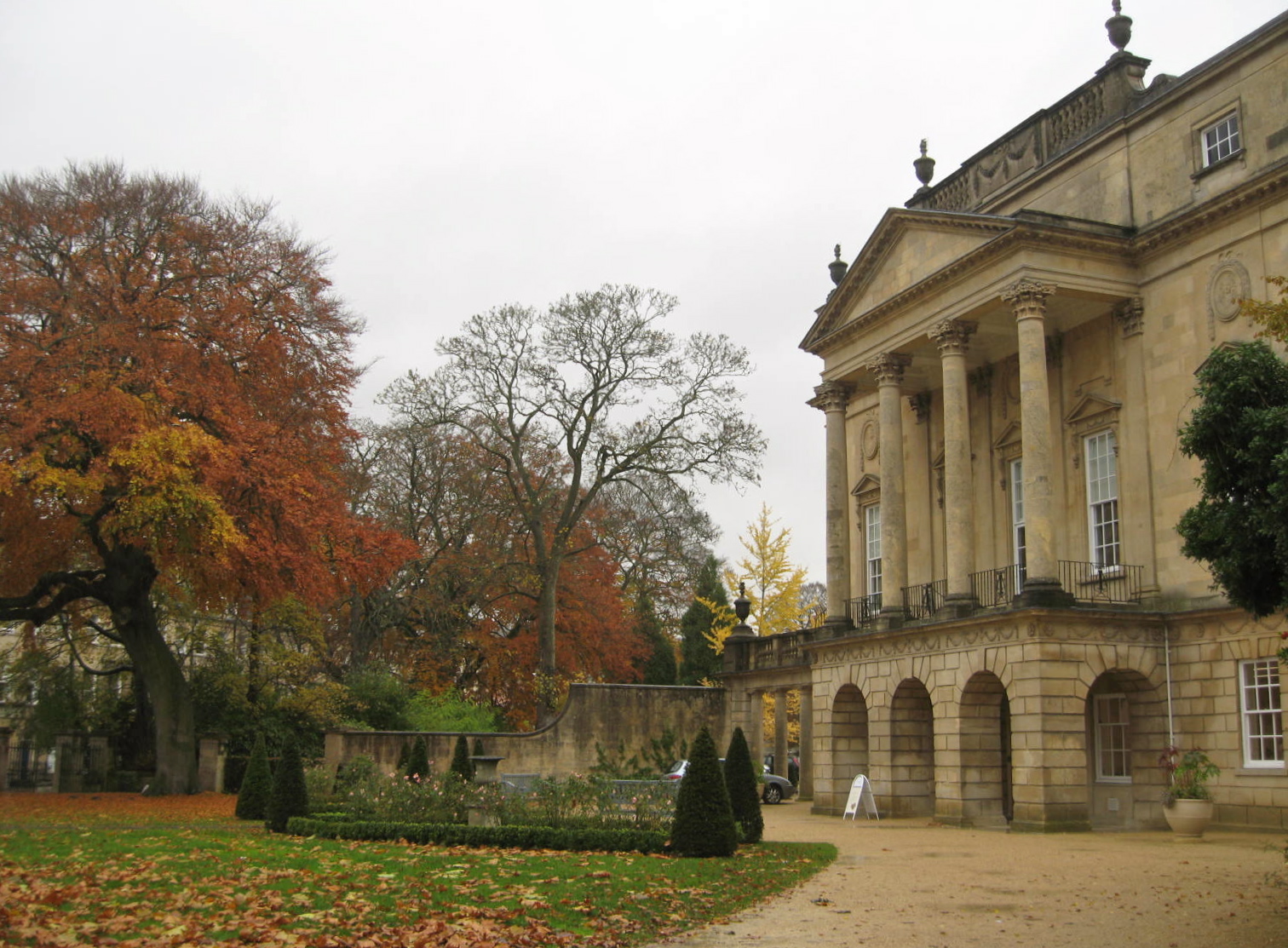
The weather just adds the atmosphere. The Holburne Museum was my first stop.  Most of the paintings are very traditional 17th and 18th century portraits (there are many beautiful Gainsborough’s) and the mansion is intimate but regal.

The Holburne Museum. Photo by me

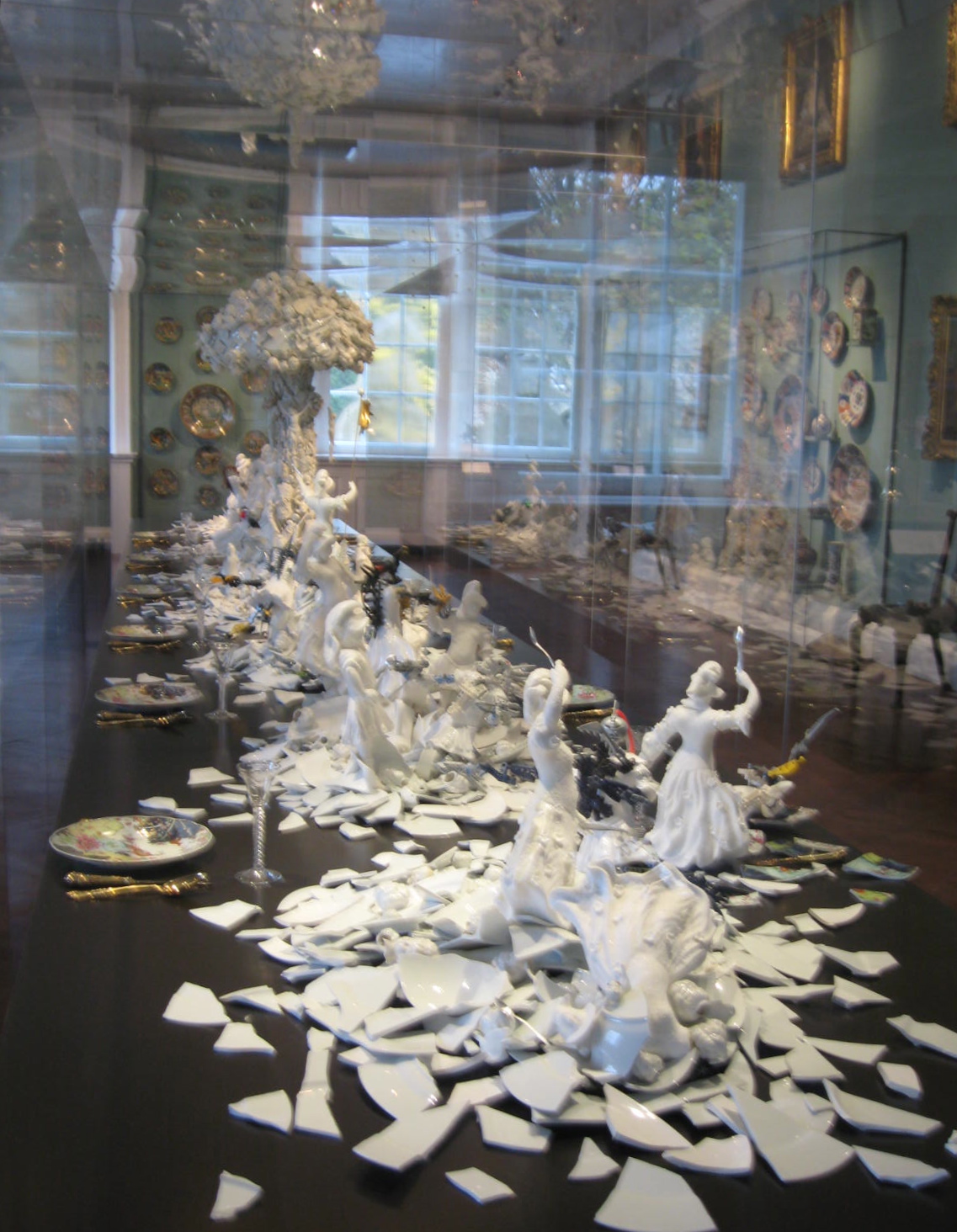
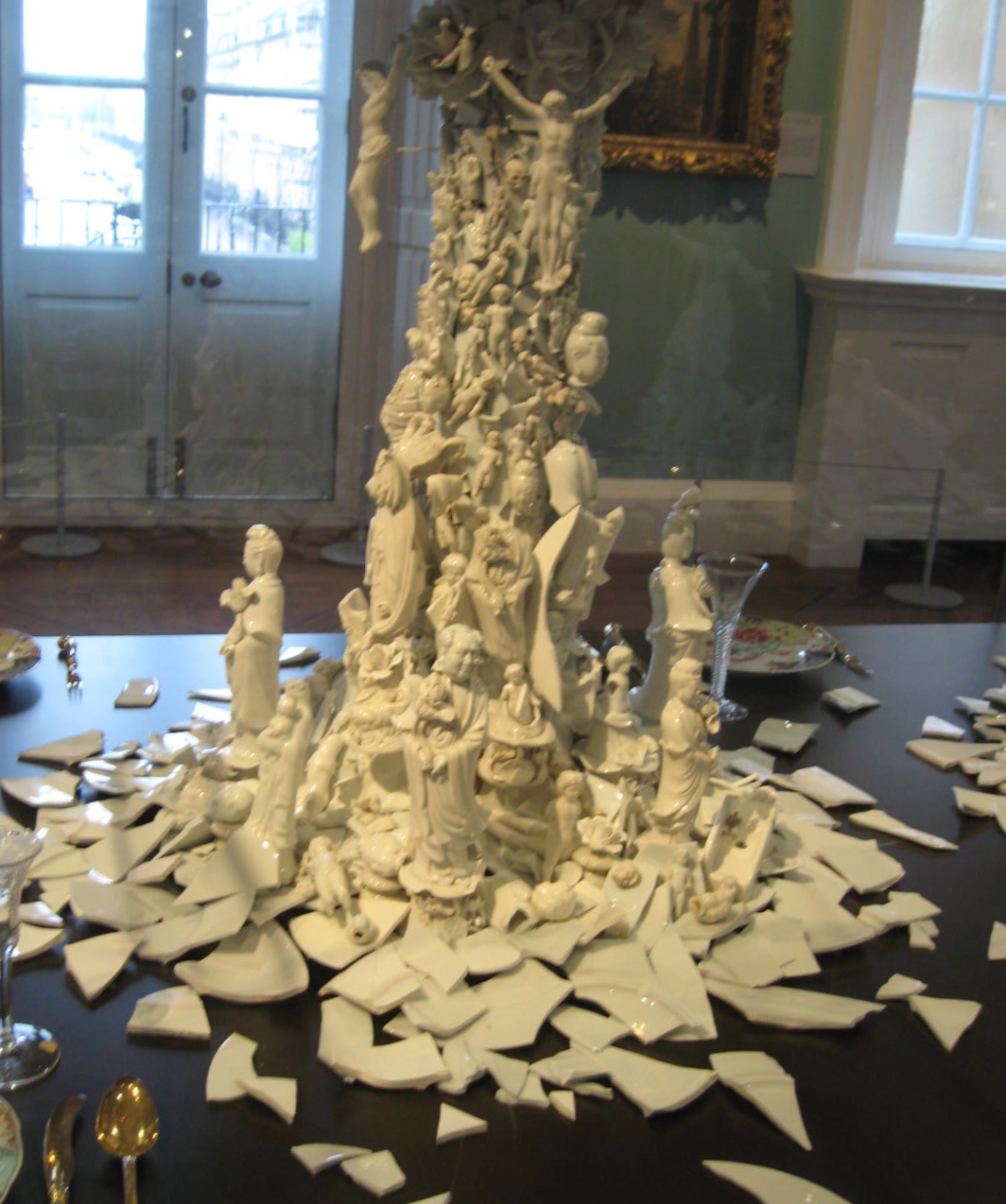
One room features a surprisingly fanciful sculptural installation by Bouke de Vries with a base of pottery shards.  It was so very interesting and I was delighted that they would include such an imaginative, modern piece in this classic museum.

Bouke De Vries, War & Pieces, ceramic, At the Holburne, Photo by me.


A detail. Photo by me

I am back out researching for the next few days.  I’ll keep you posted.

Poppy Day

11 Sunday Nov 2012

Posted by pat in England, History, London, Uncategorized, United Kingdom

≈ Leave a Comment

Tags

Flanders Field, Poppy Day, Remembrance Day

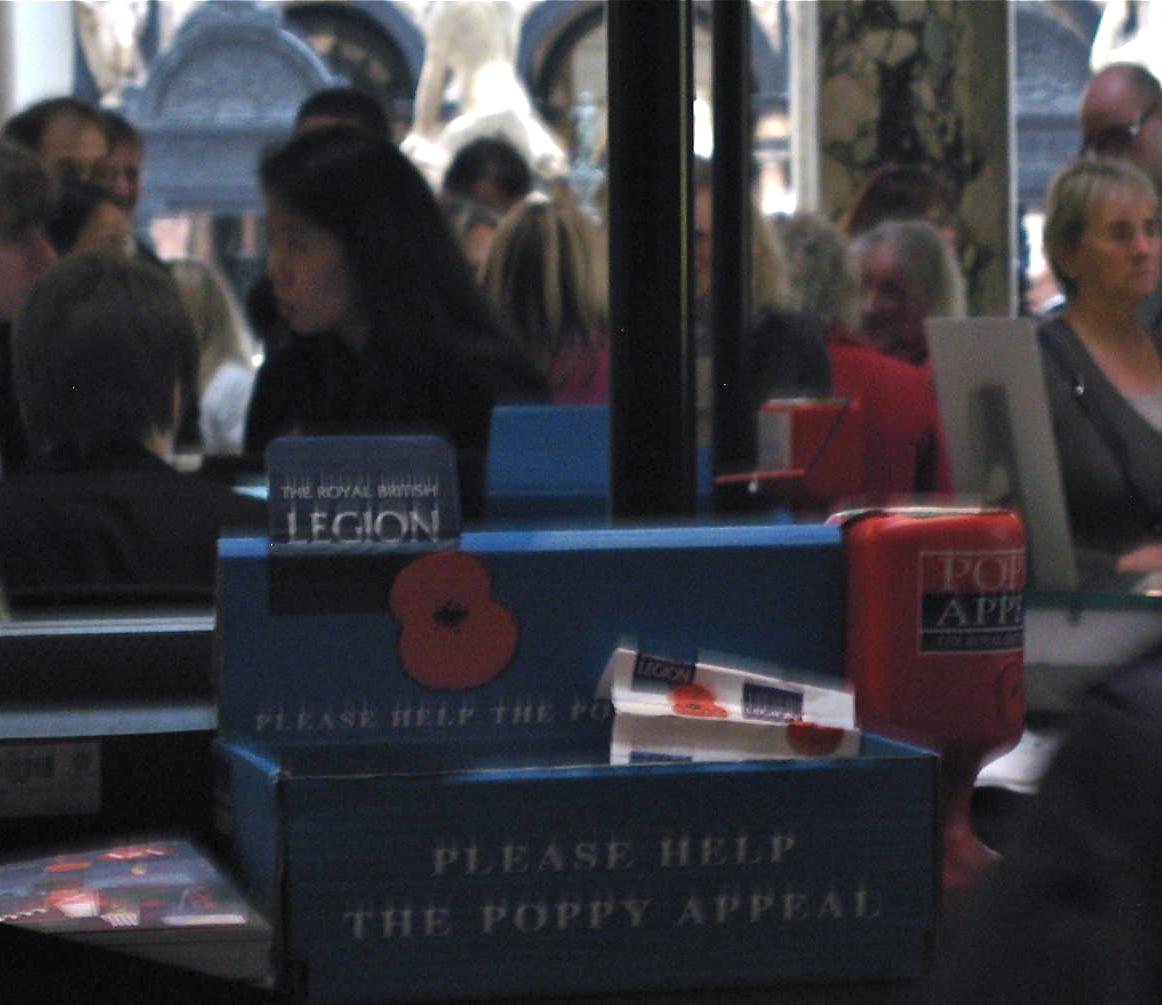
Remembrance Day in Great Britain is also known as “Poppy Day”.  All over the UK around November 11th you see people wearing poppies to recall the end of World War I on that date in 1918.  Hostilities formally ended “at the 11th hour of the 11th day of the 11th month,” in accordance with the armistice.

Poppies for Armistice Day. Photo by me

Today poppies are worn by many British citizens in memory of members of the armed forces who have died in the line of duty — the UK version of America’s Veterans’ Day.

For a small donation, poppies are available all over London this weekend (here at the Victoria & Albert Museum), and everyone is wearing them. Photo by me.

The red remembrance poppy is a widely displayed emblem of Remembrance Day in honor of the poem “in Flanders Field.” These poppies bloomed across some of the worst Battlefields on Flanders, their blood-red color an appropriate symbol of the blood spilled.

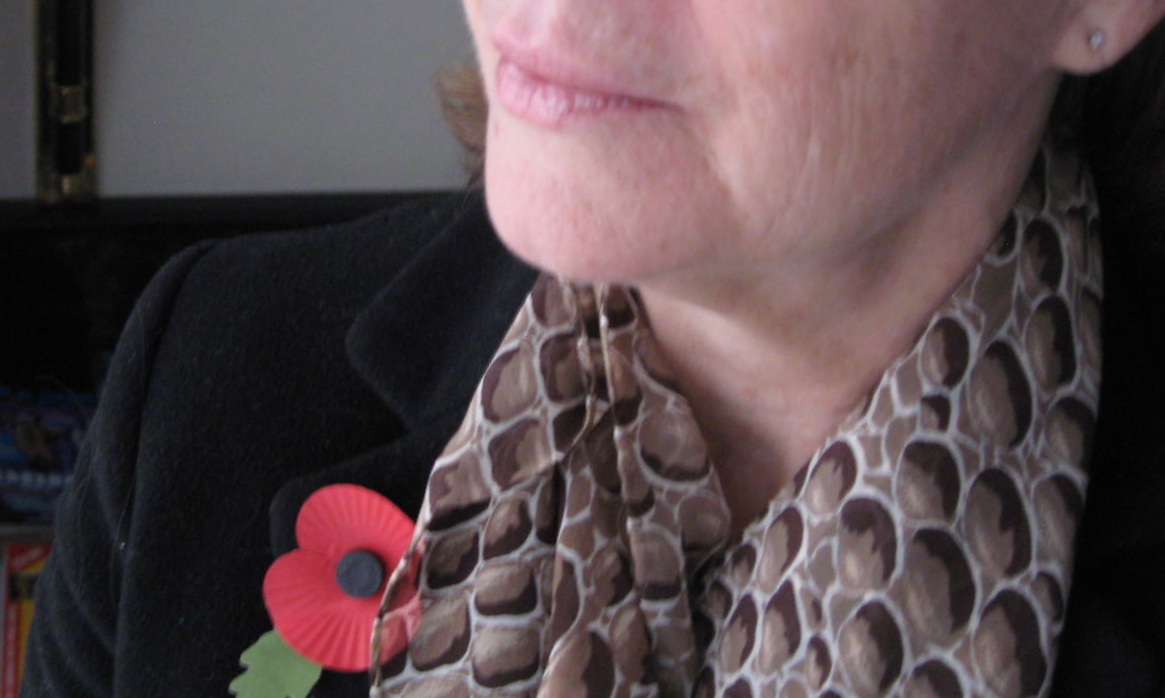
My poppy. Photo by me

In Flanders Fields  (John McCrae)

In Flanders fields the poppies blow
Between the crosses, row on row,
That mark our place; and in the sky
The larks, still bravely singing, fly
Scarce heard amid the guns below.

We are the Dead. Short days ago
We lived, felt dawn, saw sunset glow,
Loved and were loved, and now we lie
In Flanders fields.

Take up our quarrel with the foe:
To you from failing hands we throw
The torch; be yours to hold it high.
If ye break faith with us who die
We shall not sleep, though poppies grow
In Flanders fields.

A Royal Garage at Sandringham

17 Wednesday Oct 2012

Posted by pat in cars, England, History, The Royal Family

≈ Leave a Comment

Tags

Norfolk, Sandringham

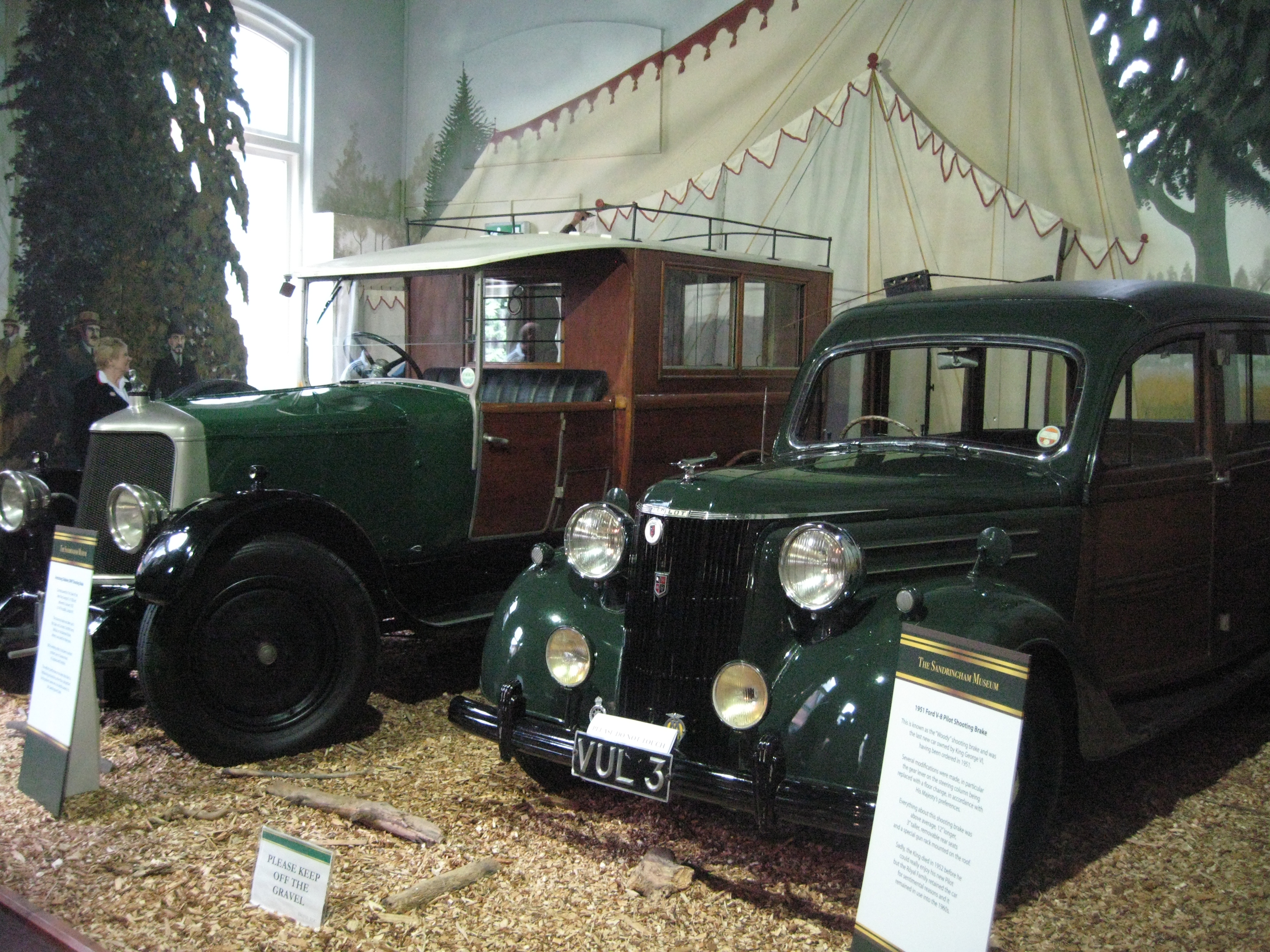
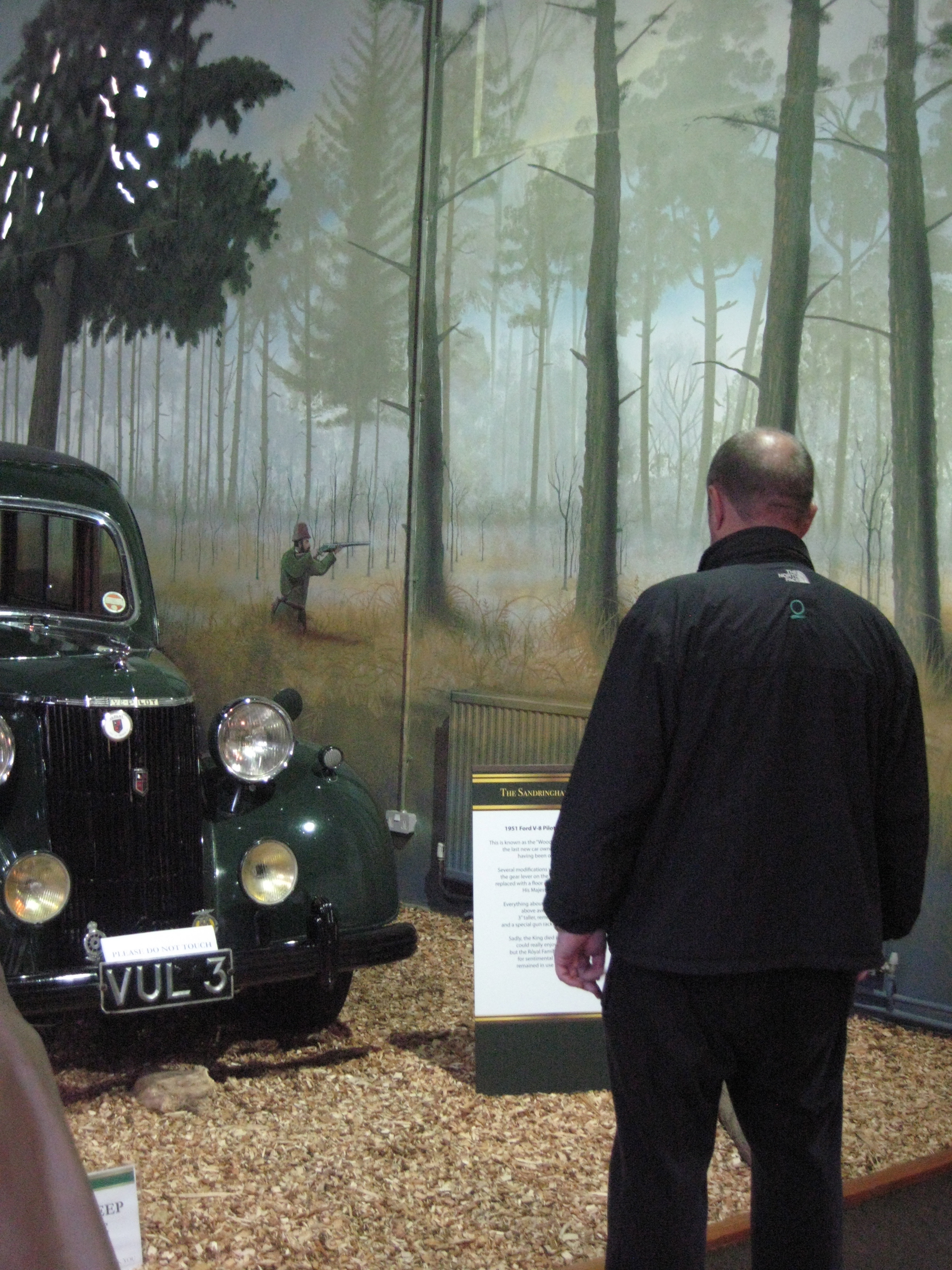
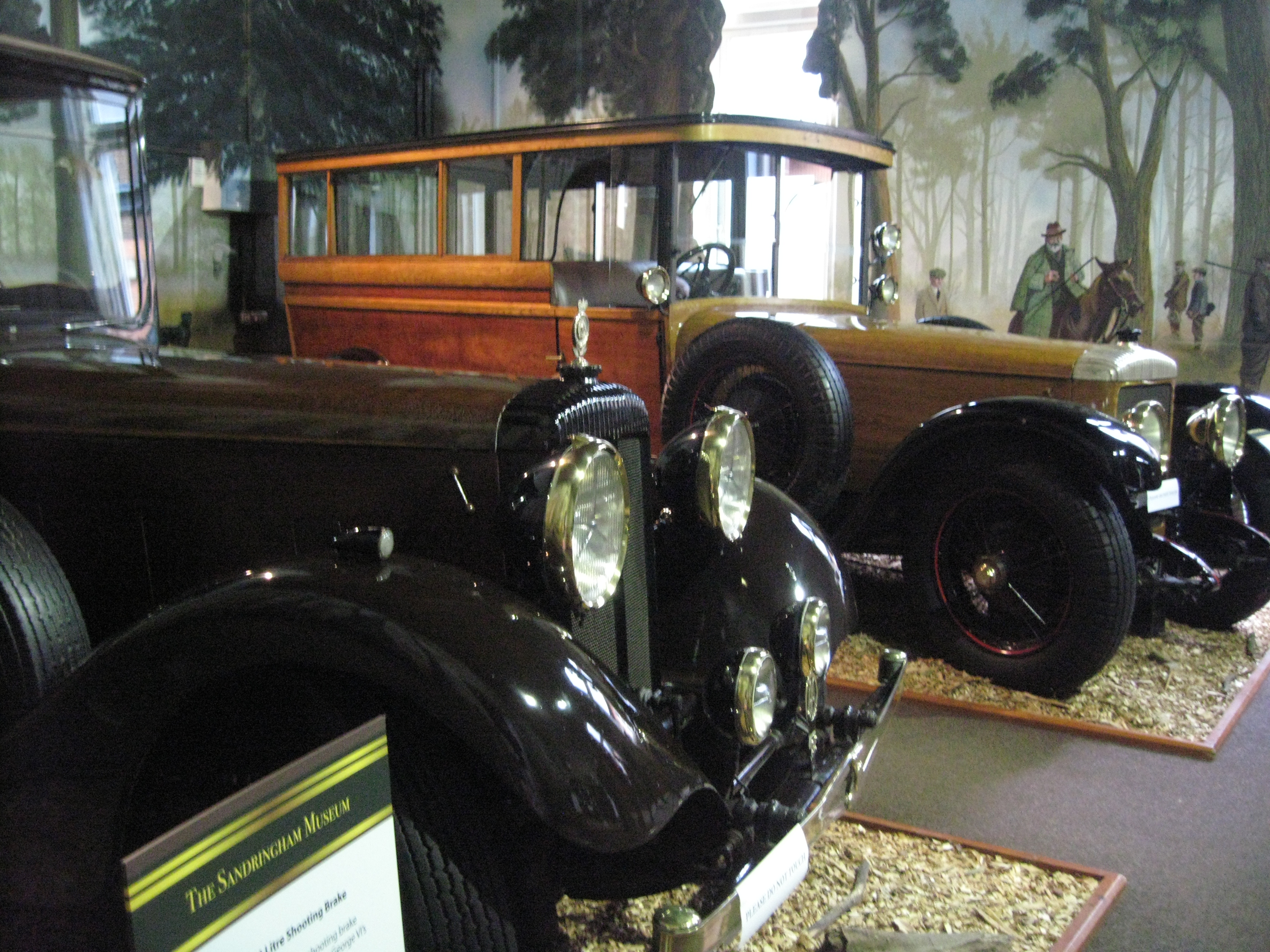
When we travel through England, I find My Beloved Brit approaches a house tour with much more enthusiasm if there is a display of cars involved.  One of the best I found was Sandringham, the Royal Family’s Norfolk estate.  The old stables have been converted to a museum, and cars were a major feature of the displays.

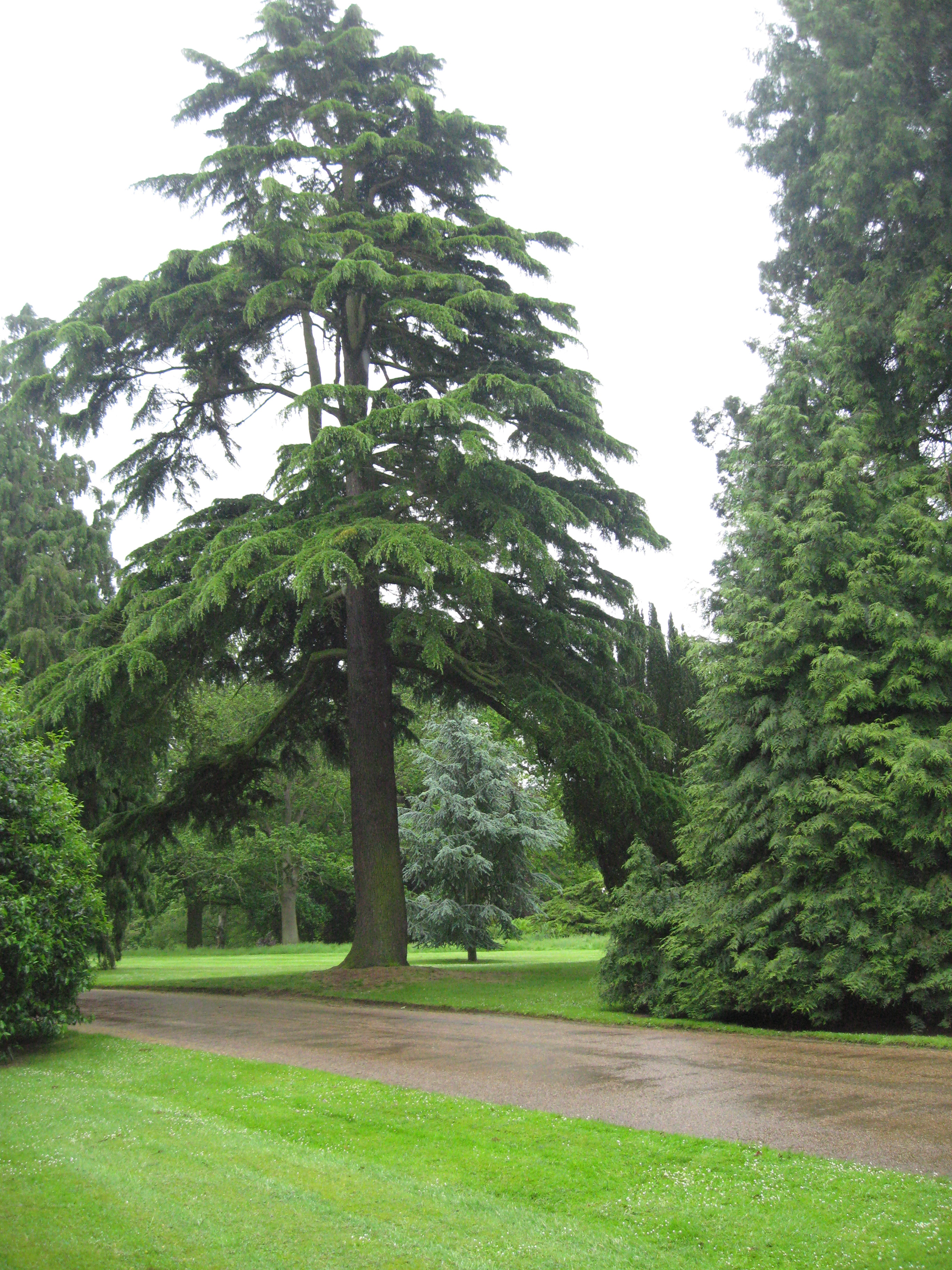
The road from the main house to the museum at Sandringham was a lovely walk, even in the rain. Photo by me.

We walked across the park and arrived at the gates to the courtyard…

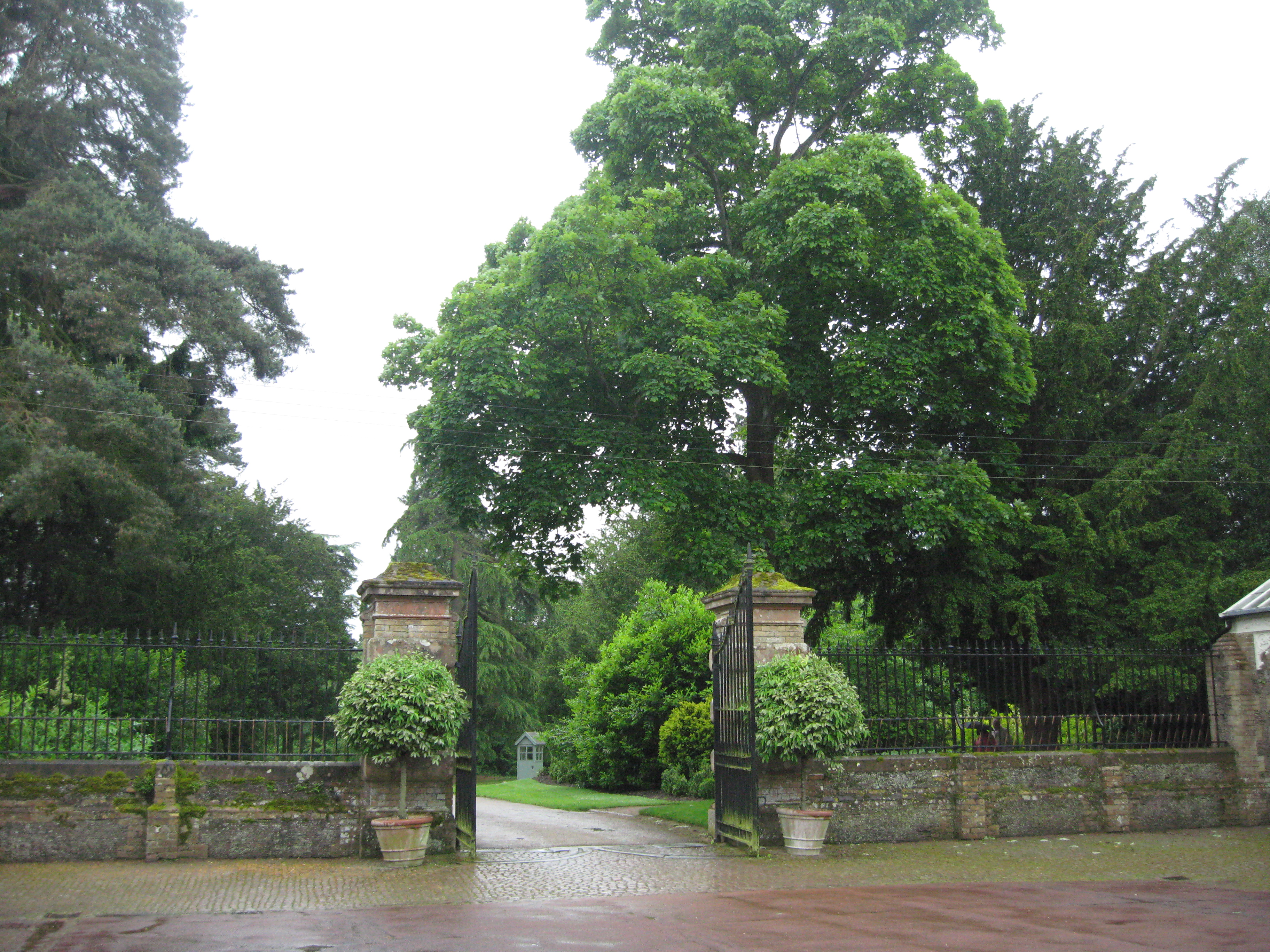
The entrance to the museum at Sandringham. Photo by me

…of what was formerly the stable block and coach house for the estate.  Inside was the museum with lots of photos and story boards showing the history of Sandringham, and whole rooms full of memorabilia and gifts given to the Royal Family through the years.

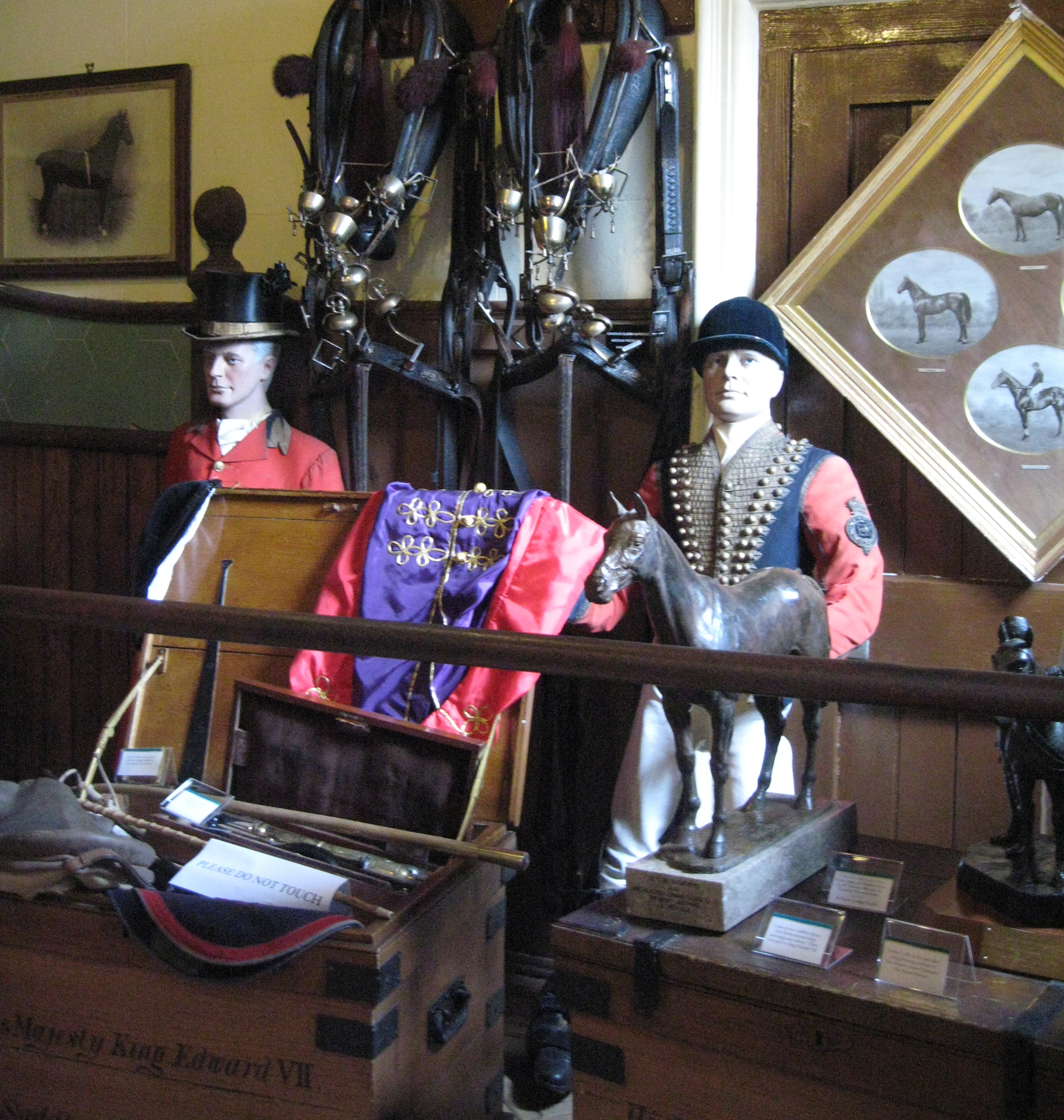
An arrangement showing bits from the stables earlier days. Photo by me

Every time we went in to another room, there was something interesting to see.  But when we turned the corner into the beginning of the car exhibitions, MBBs eyes lit up.

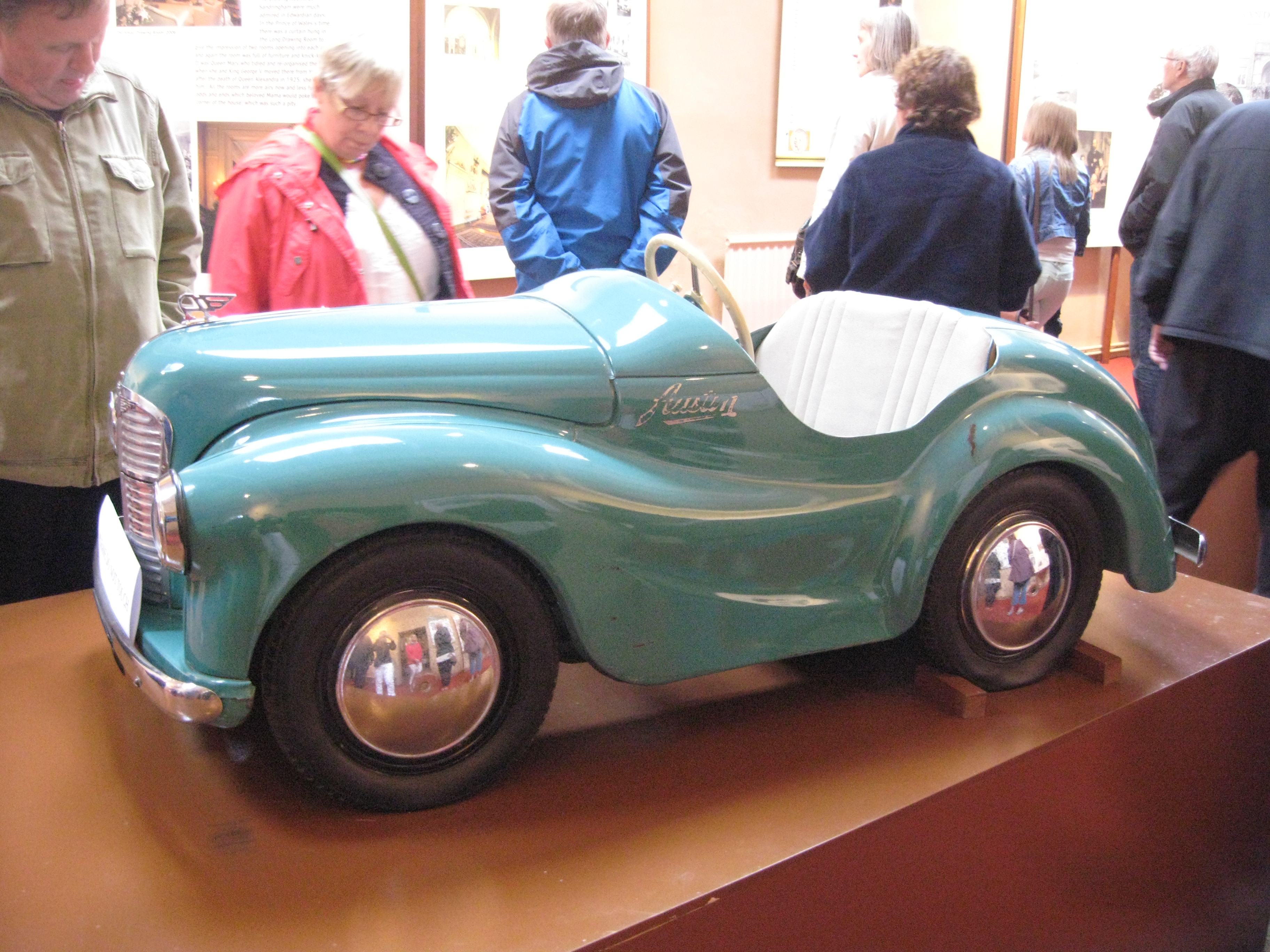
MBB thought it was a bit embarrassing to see something in a museum that he remembered from his childhood, but he was still delighted to see it. Photo by me

The first thing he saw was a tiny car, which was very similar to one he had as a boy.

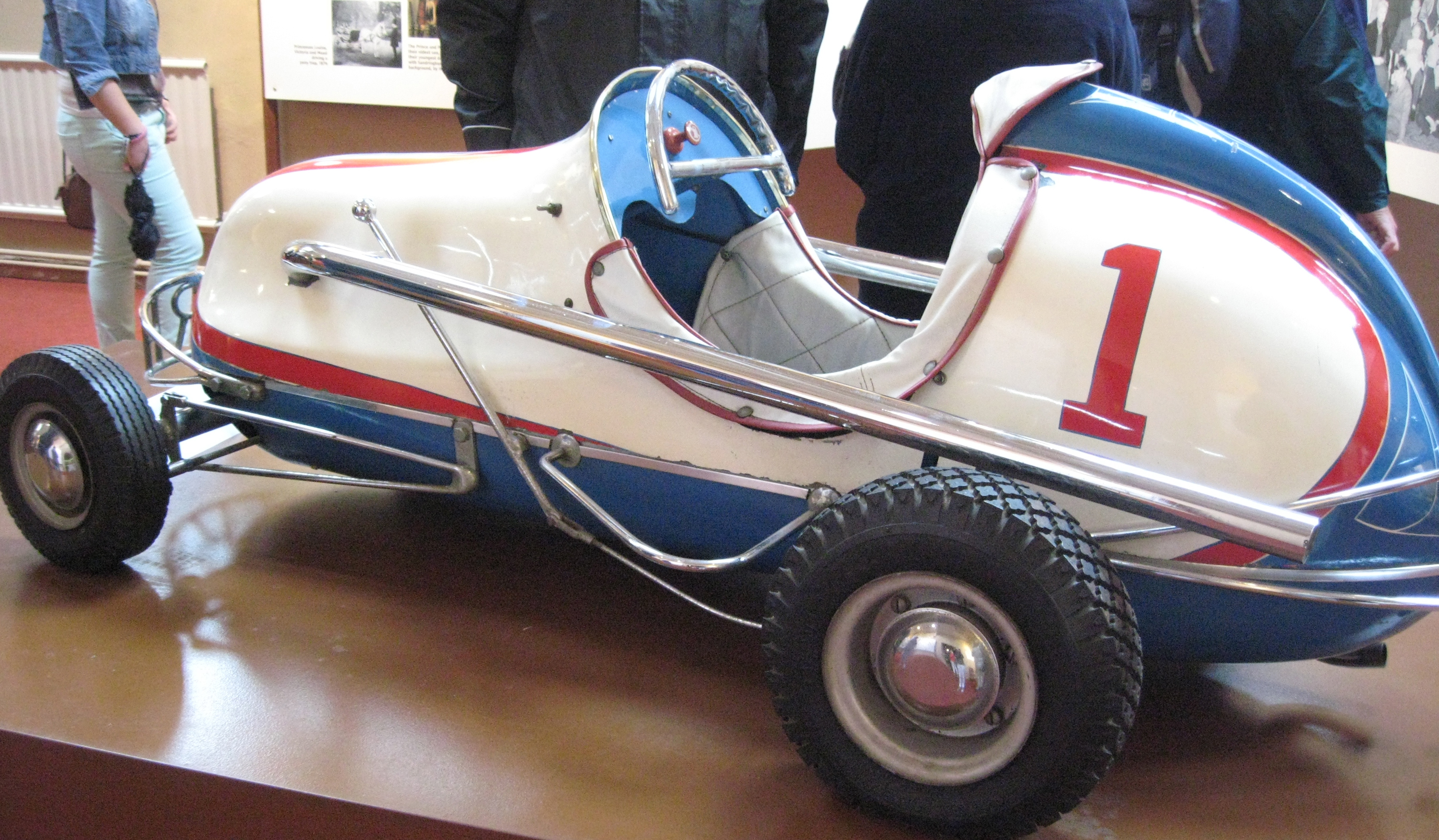
Photo by me

There were several of them in the room, and people were thrilled to see them.

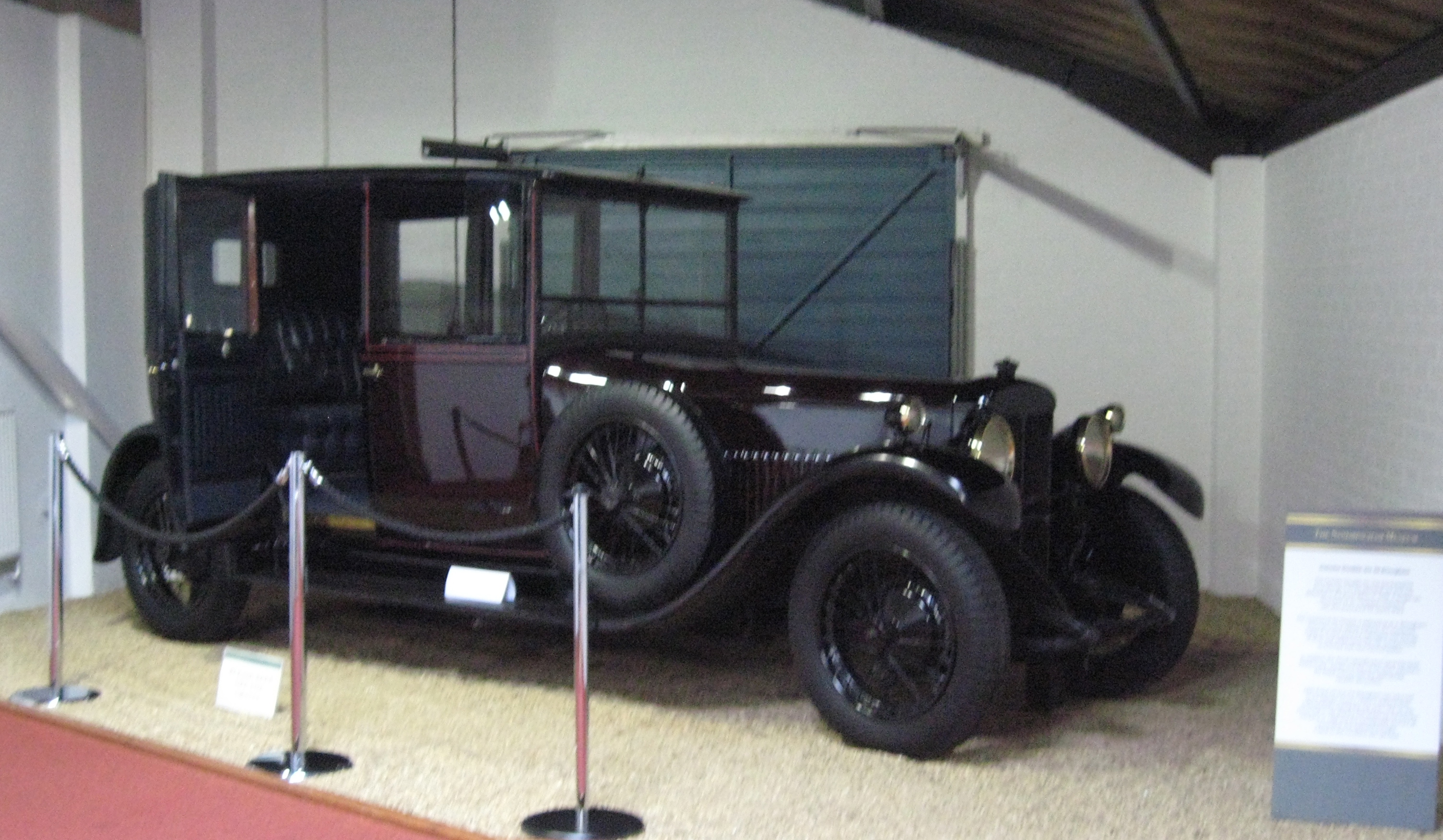
Further on, the cars got grander.

photo by me

I loved that you could look in to the interiors, and just imagine what it was like for the Queen.

Photo by me.

There was a variety of cars used for the Royal Family and the staff.

Another beauty. Photo by me

A country car the staff used to bring the luggage from the train station.

Photo by me

And cars for all occasions.

Photo by me

For once, my Beloved Brit was speechless

Photo by me

← Older posts
Newer posts →

♣ Subscribe to Blog via Email

Enter your email address to subscribe to this blog and receive notifications of new posts by email.

Join 33 other subscribers

♣ Archives

  • October 2025
  • June 2025
  • April 2025
  • November 2024
  • July 2024
  • June 2024
  • March 2024
  • December 2023
  • October 2023
  • September 2023
  • June 2023
  • September 2022
  • May 2022
  • January 2022
  • November 2021
  • August 2021
  • May 2021
  • January 2021
  • September 2020
  • June 2020
  • May 2020
  • March 2020
  • December 2019
  • October 2019
  • July 2019
  • April 2019
  • March 2019
  • December 2018
  • November 2018
  • October 2018
  • August 2018
  • March 2018
  • January 2018
  • July 2017
  • April 2017
  • February 2017
  • November 2016
  • October 2016
  • July 2016
  • May 2016
  • April 2016
  • January 2016
  • July 2015
  • June 2015
  • March 2015
  • January 2015
  • December 2014
  • November 2014
  • October 2014
  • September 2014
  • July 2014
  • June 2014
  • May 2014
  • April 2014
  • March 2014
  • February 2014
  • January 2014
  • December 2013
  • November 2013
  • October 2013
  • September 2013
  • August 2013
  • July 2013
  • June 2013
  • May 2013
  • April 2013
  • March 2013
  • February 2013
  • January 2013
  • December 2012
  • November 2012
  • October 2012
  • September 2012
  • August 2012
  • July 2012
  • June 2012
  • May 2012
  • April 2012
  • March 2012
  • February 2012
  • January 2012
  • December 2011
  • November 2011
  • October 2011
  • September 2011

♣ Recent Posts

  • Autumn on the Towpath
  • Float
  • de Printemps
  • A Change of Season
  • Sky Meadows

♣ Categories

  • Art
  • Art Museums & Exhibitions
  • Bath
  • Books
  • British Virgin Islands
  • Burnham-on-Crouch
  • cars
  • Cornwall
  • Cornwall
  • England
  • entertainment
  • Fashion
  • Food
  • Gardens
  • Grasmere
  • Guana Island
  • History
  • Lake District
  • Lake District
  • London
  • movies
  • Music
  • National Trust
  • Olympics
  • paintings
  • Peak District
  • Sailing
  • Scotland
  • Shopping
  • sketching
  • The New Forest
  • The Royal Family
  • Travel
  • Uncategorized
  • United Kingdom

♣ my button

accentbritain.com
<a href="http://accentbritain.com" target="_blank"><img src="http://accentbritain.com/accentBritainbutton.jpeg" alt="accentBritain.com" width="125" height="125" /></a>
Copyright 2011 accentBritain LLC. All rights reserved. All original photos, text and art is copyright protected.

Proudly powered by WordPress Theme: Chateau by Ignacio Ricci.


Loading Comments...