• About
  • Contact Me
  • Disclosure

accentBritain

~ a romance with art and all things British

accentBritain

Category Archives: Uncategorized

If it’s Bank Holiday Monday, this must be London

26 Monday Aug 2013

Posted by pat in Art Museums & Exhibitions, England, History, London, The Royal Family, Travel, Uncategorized

≈ Leave a Comment

Tags

Buckingham Palace, Clarence House, Westminster Abbey

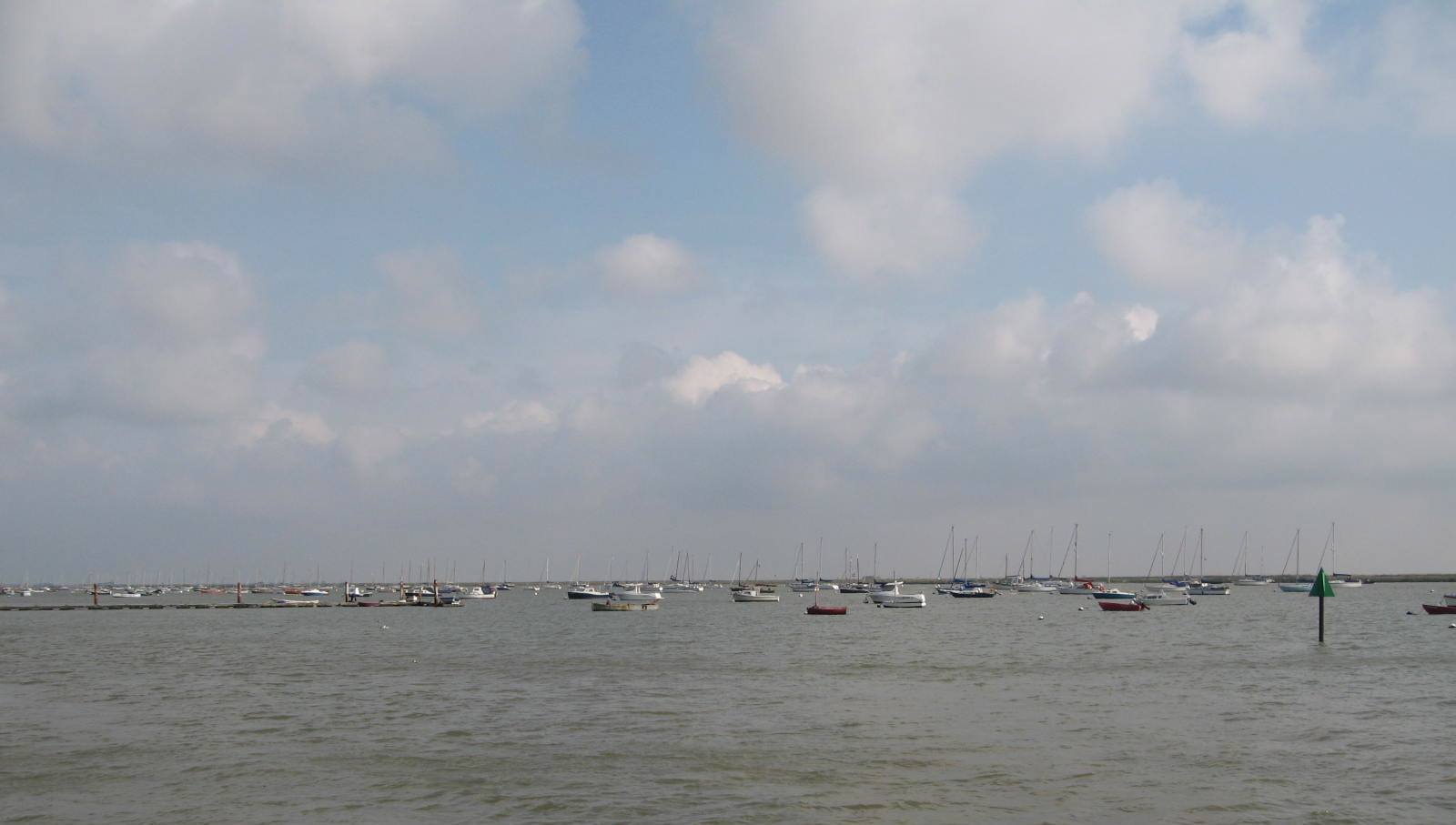
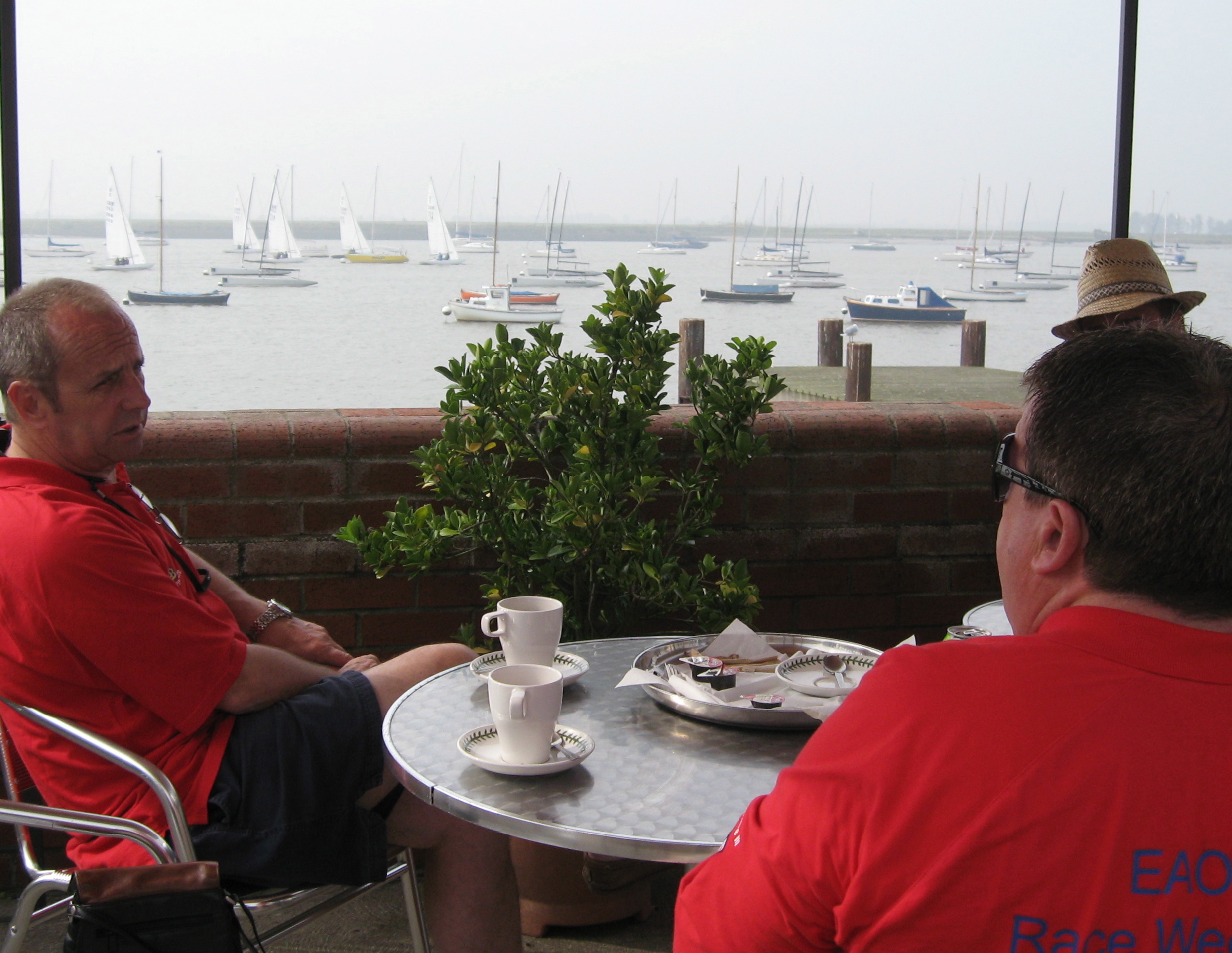
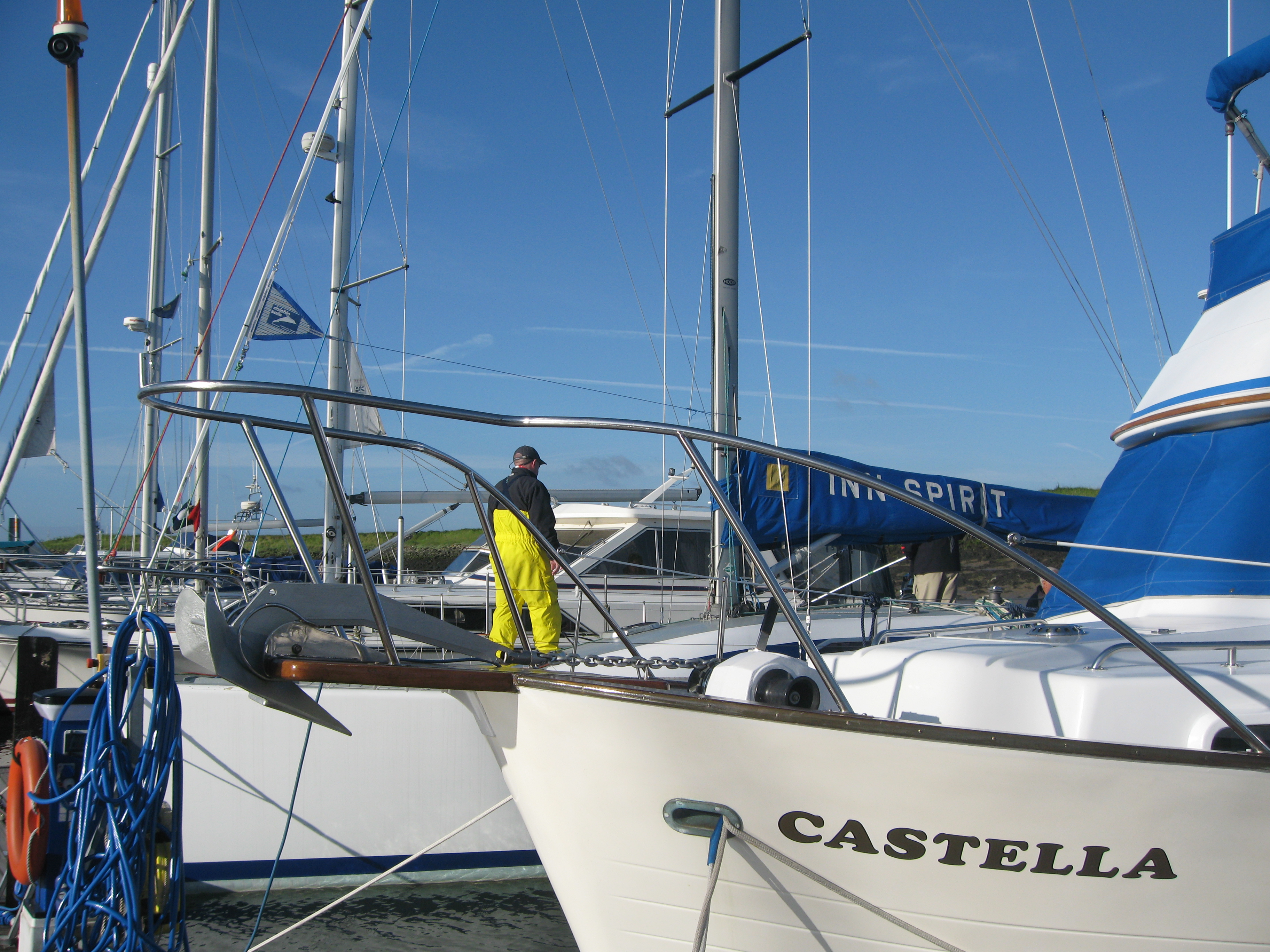
I left My Beloved Brit happily sailing on the Crouch River in Eastern England, and took the train in to London.

Ready to start the day.  The River Crouch. Photo by me.

Ready to start the day. The River Crouch. Photo by me.

Obviously many others had the same idea.  It was the Bank Holiday Monday at the end of summer, the last day off many families will have until Christmas! Remember, in the UK there is no Thanksgiving holiday.

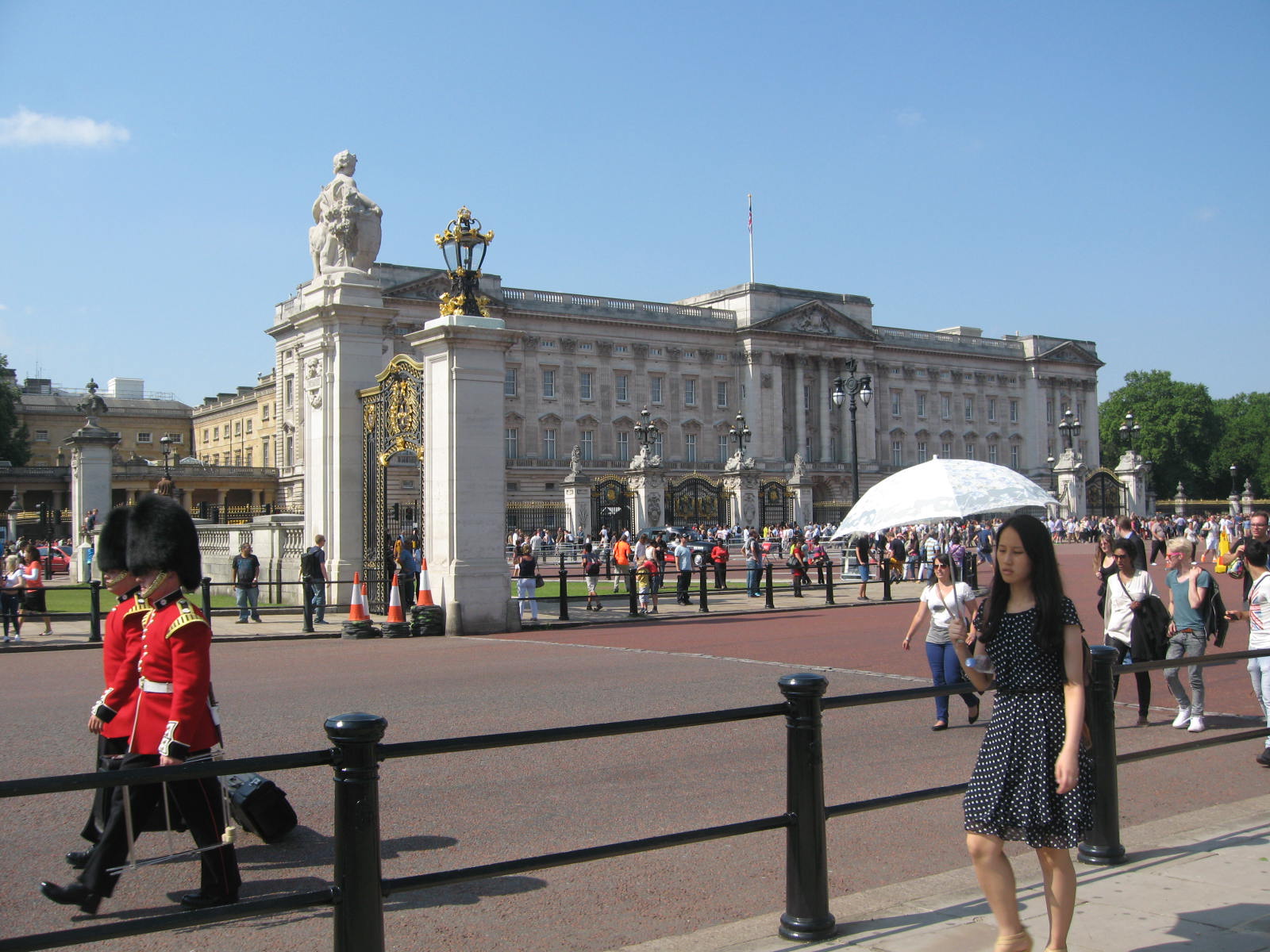
Many others had the same idea of going down to The Mall in front of Buckingham Palace.

Many others had the same idea of going down to The Mall in front of Buckingham Palace.

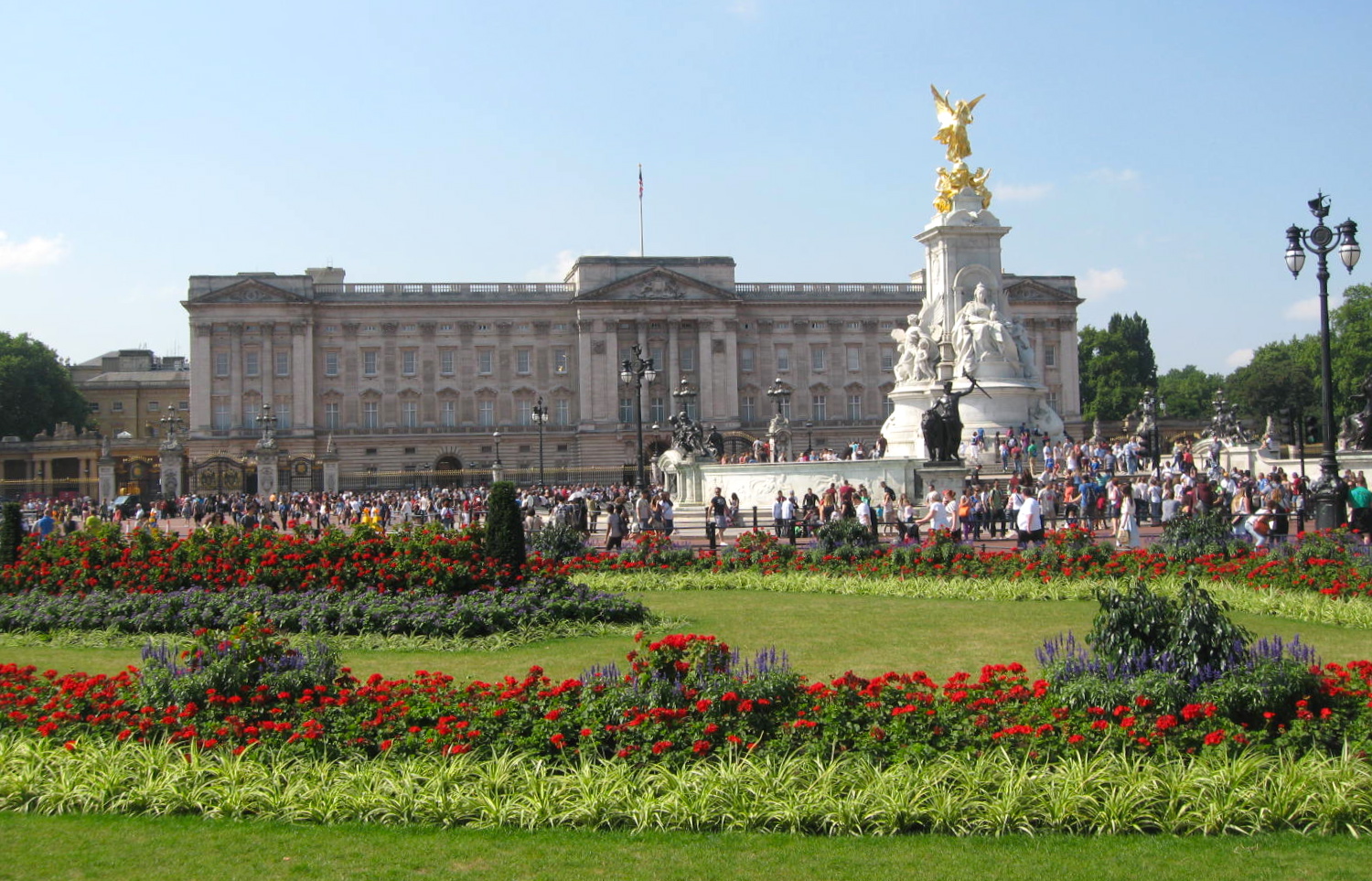
It was the perfect day to head to The Mall, the main street in front of the palace.

The Victoria Fountain in front of the palace. Photo by me.

The Victoria Fountain in front of the palace. Photo by me.

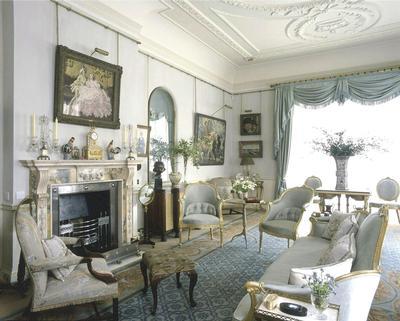
Heading down The Mall, I stopped in front of Clarence House, the current residence of Prince Charles and Camilla, and former residence of the Queen Mother.  It was only open for one more week, so I took the opportunity to ask if there were any open times left. As luck would have it, I got one of the last openings on the spot.

The blue morning room at Clarence House, from the official royal website.

The blue morning room at Clarence House, from the official royal website.

No photos allowed, and it was very warm with no air-conditioning (now we know why they all head to Balmoral for August). But it was still fascinating. It’s a beautiful home.

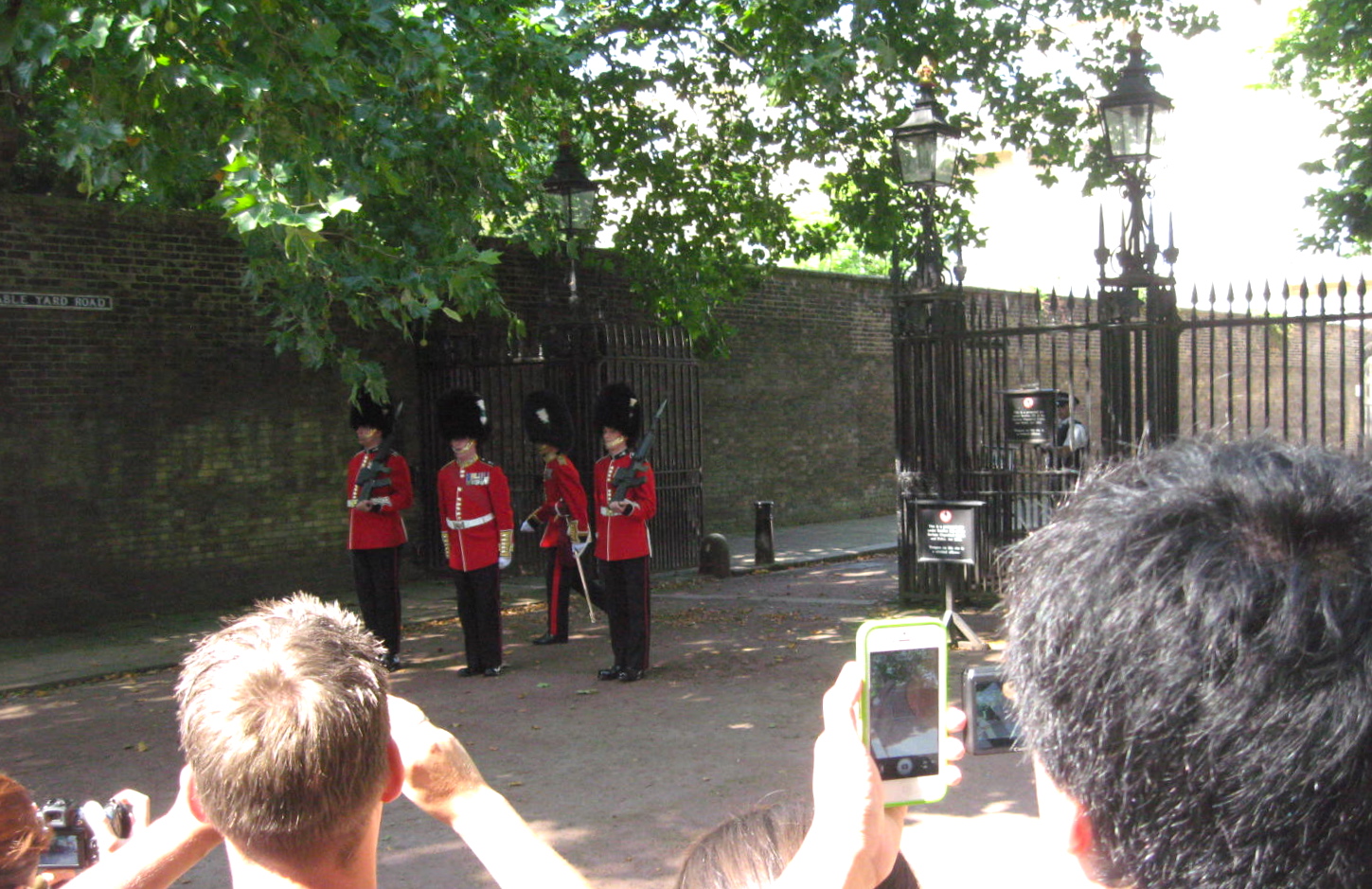
The changing of the guard in front of Clarence House. Photo by me.

The changing of the guard in front of Clarence House. Photo by me.

It was time to cut across St. James’s Park and pick up a bottle of ice-cold water, and head towards Westminster Abbey.

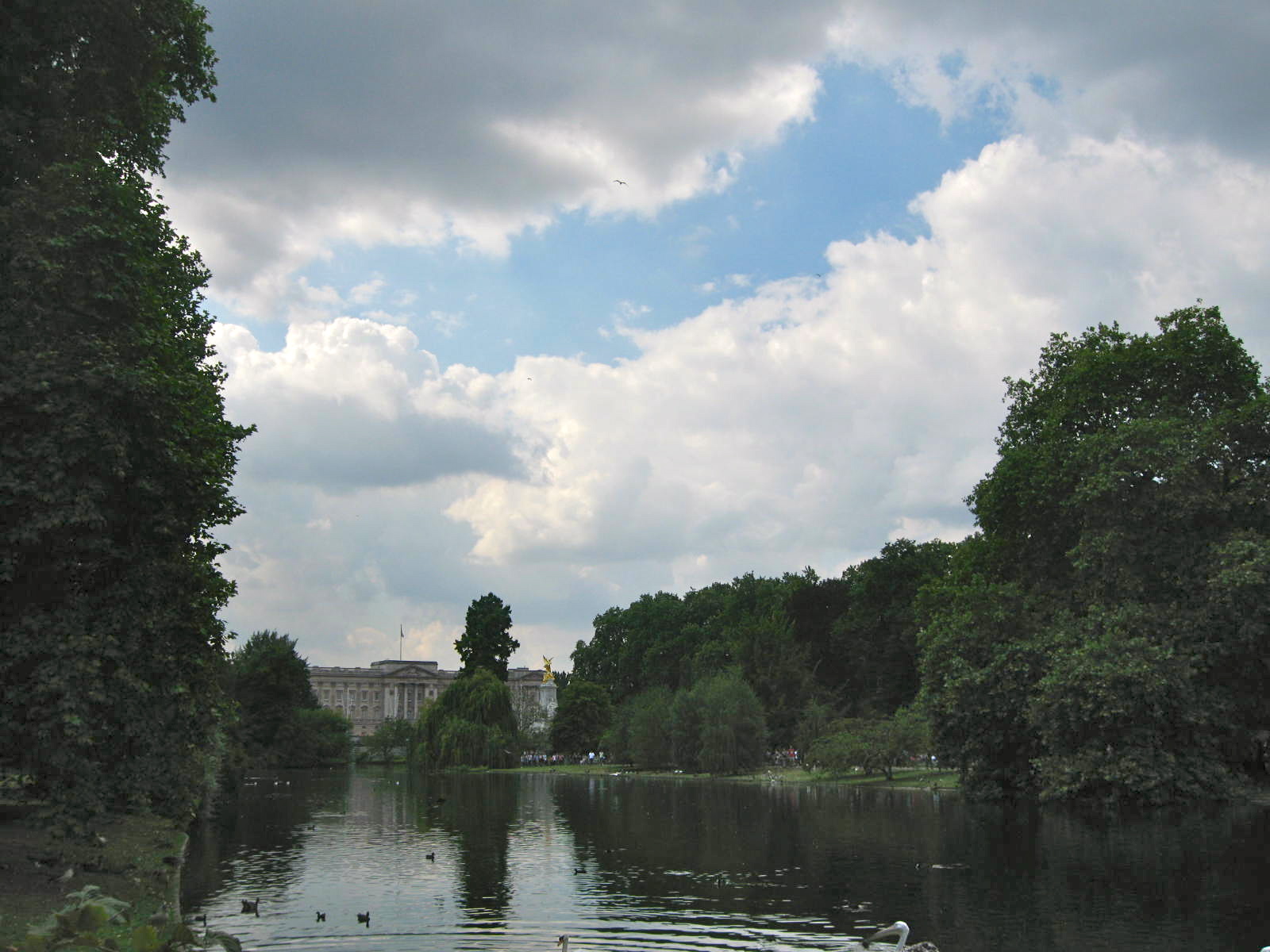
Bucking ham Palace from St. James Park. Photo by me.

Buckingham Palace from St. James’s Park. Photo by me.

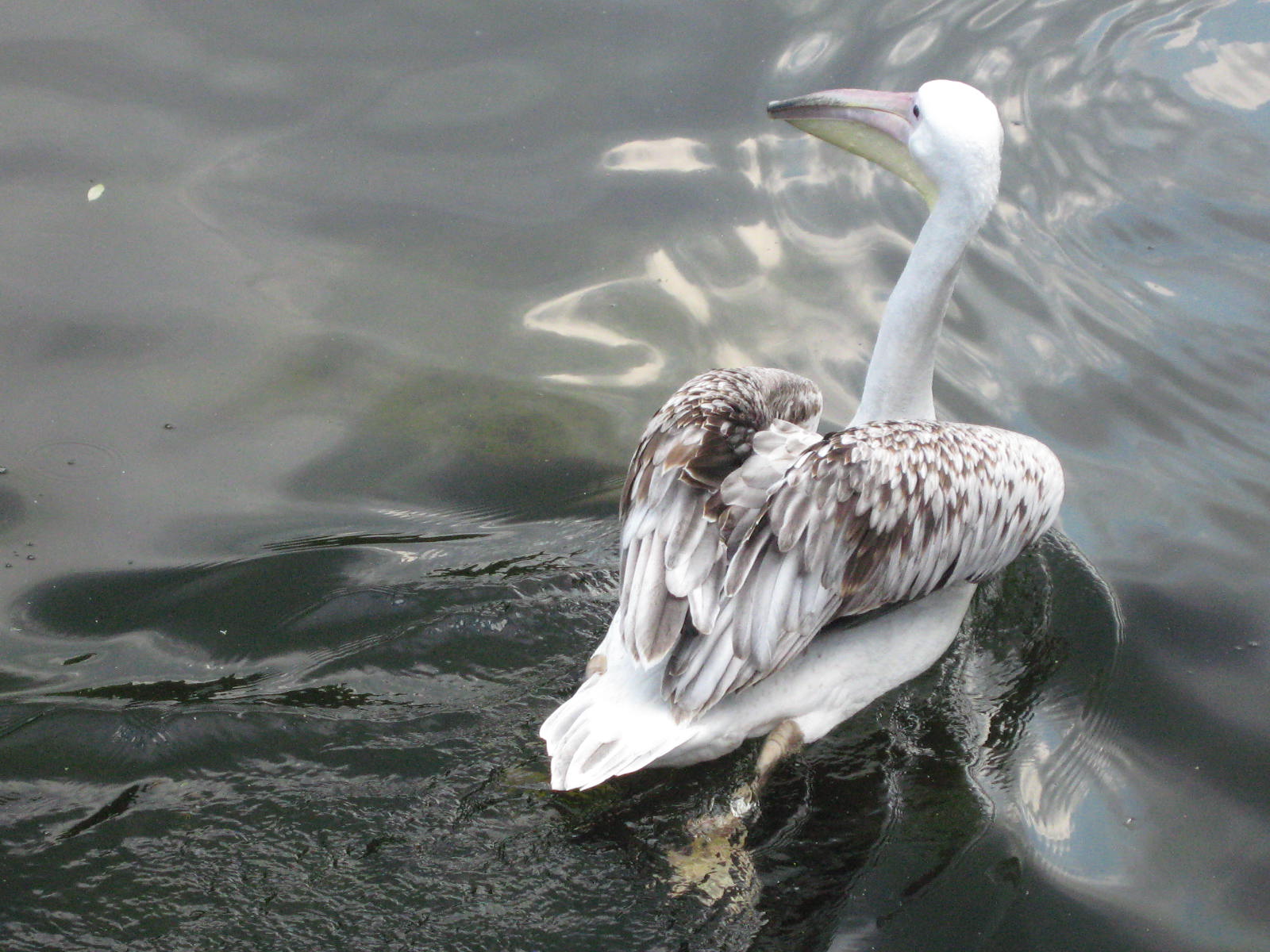
A waterfowl staying cool in St. James's Park. Photo by me.

A waterfowl staying cool in St. James’s Park. Photo by me.

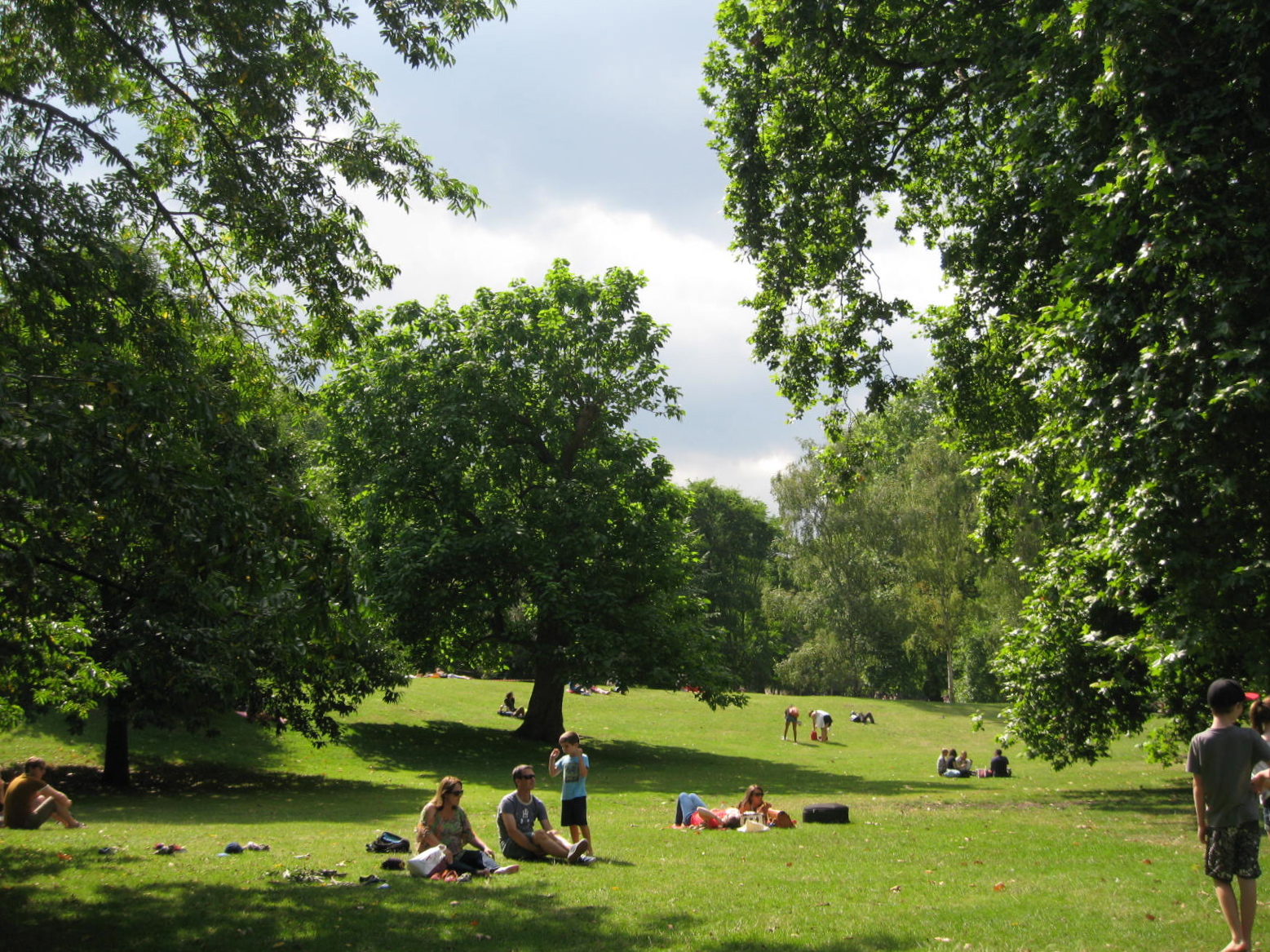
The park in summer. Photo by me

The park in summer. Photo by me

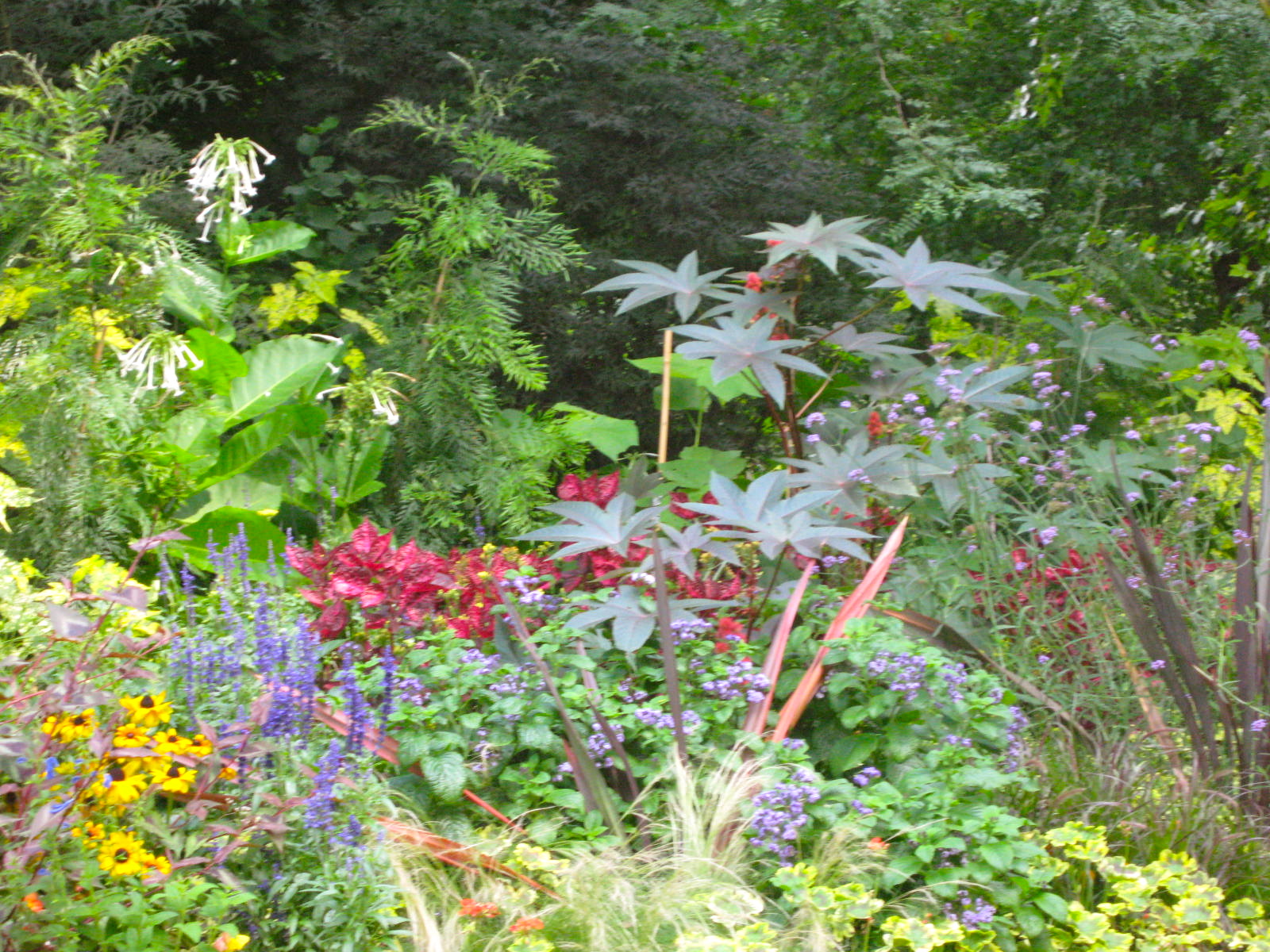
And of course this is England, so there are fabulous flowers. Photo by me.

And of course this is England, so there are fabulous flowers. Photo by me.

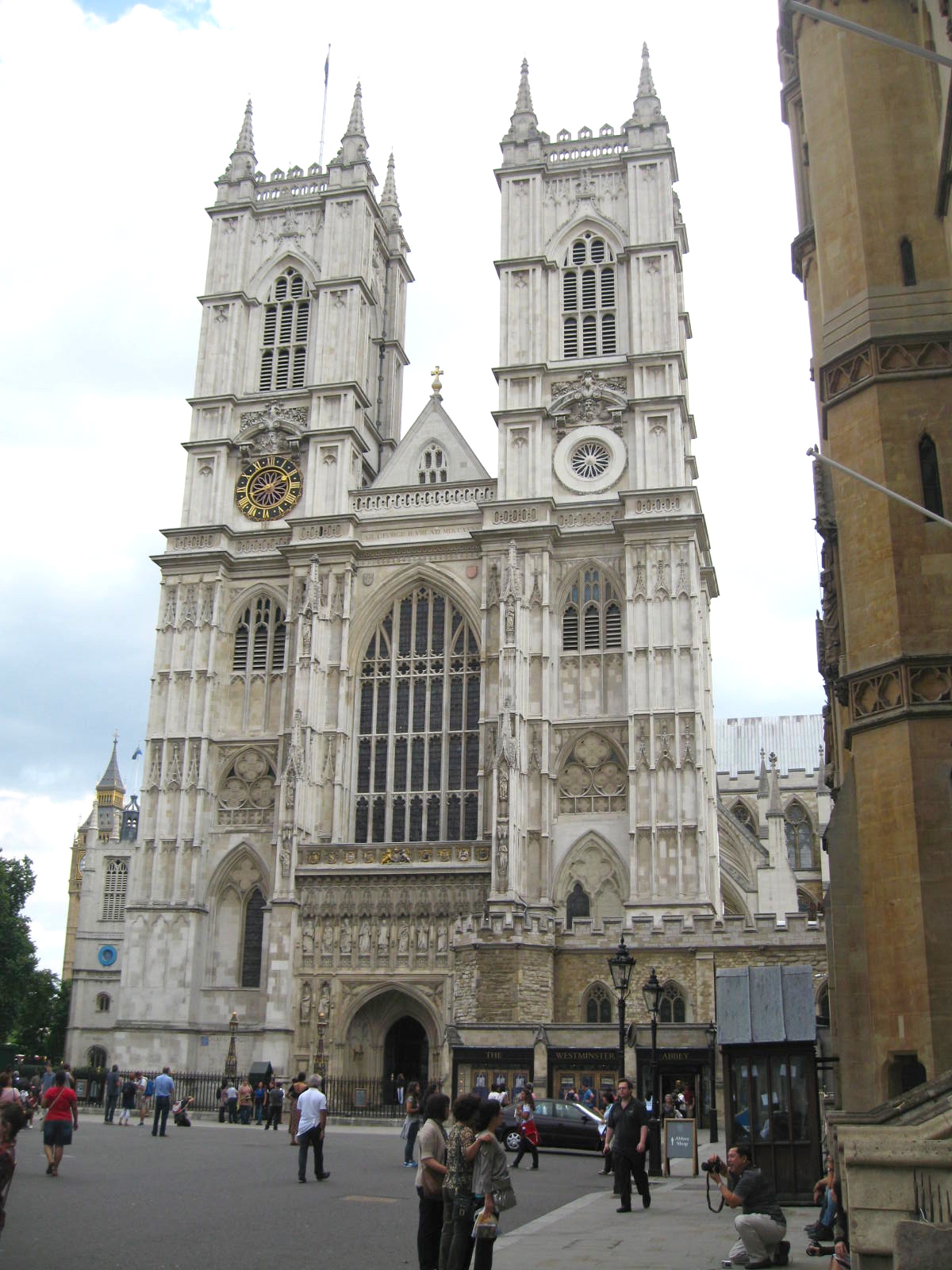
I got to Westminster Abbey and headed for the ticket entrance.  The Abbey has been on my list for some time, and I have never managed to get there in time to get admitted. But this time I had luck.

Westminster Abbey in August. Photo by me.

Westminster Abbey in August. Photo by me.

Again, no photos were allowed inside, and it is a church with many, many tombs and chapels, so it is understandable.  It gave me such a sense of history as I gazed on the tombs of kings from the 12th century, Queen Elizabeth the First, Mary Queen of Scotts, Darwin…it just goes on and on.

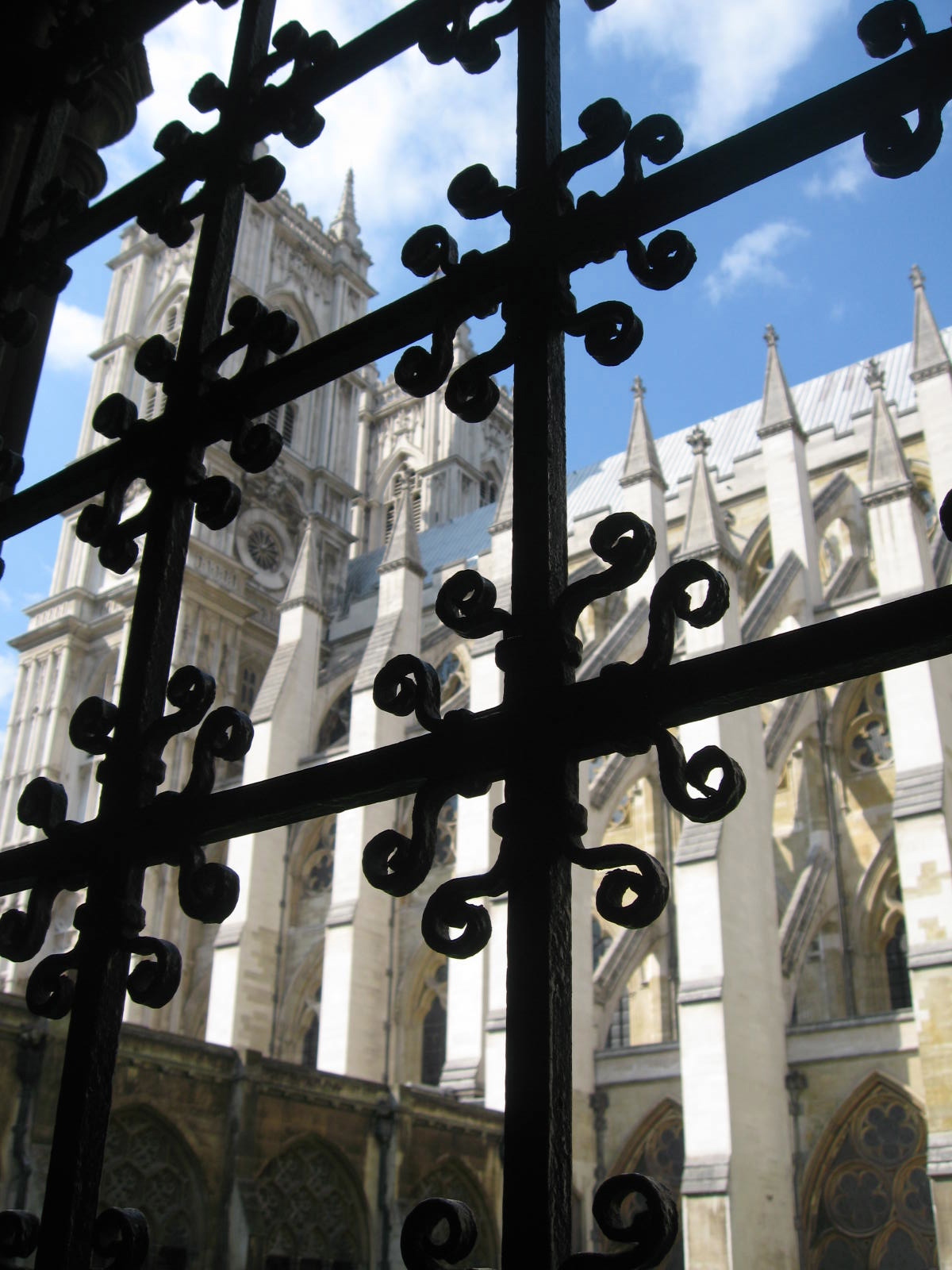
The Abbey from the Cloister. Photo by me.

The Abbey from the Cloister. Photo by me.

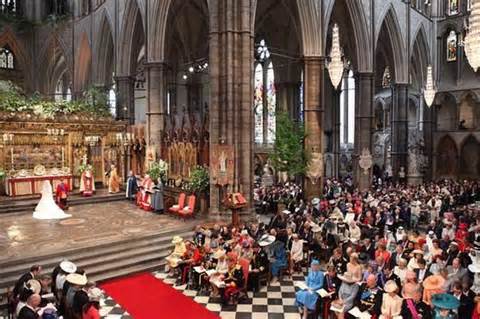
And of course the whole thing looks so absolutely familiar from the wedding of Prince William and Catherine Middleton.

The wedding of Prince William and Catherine Middleton in Westminster Abbey. Mirror.co.uk/Pic:PA

The wedding of Prince William and Catherine Middleton in Westminster Abbey. Mirror.co.uk/Pic:PA

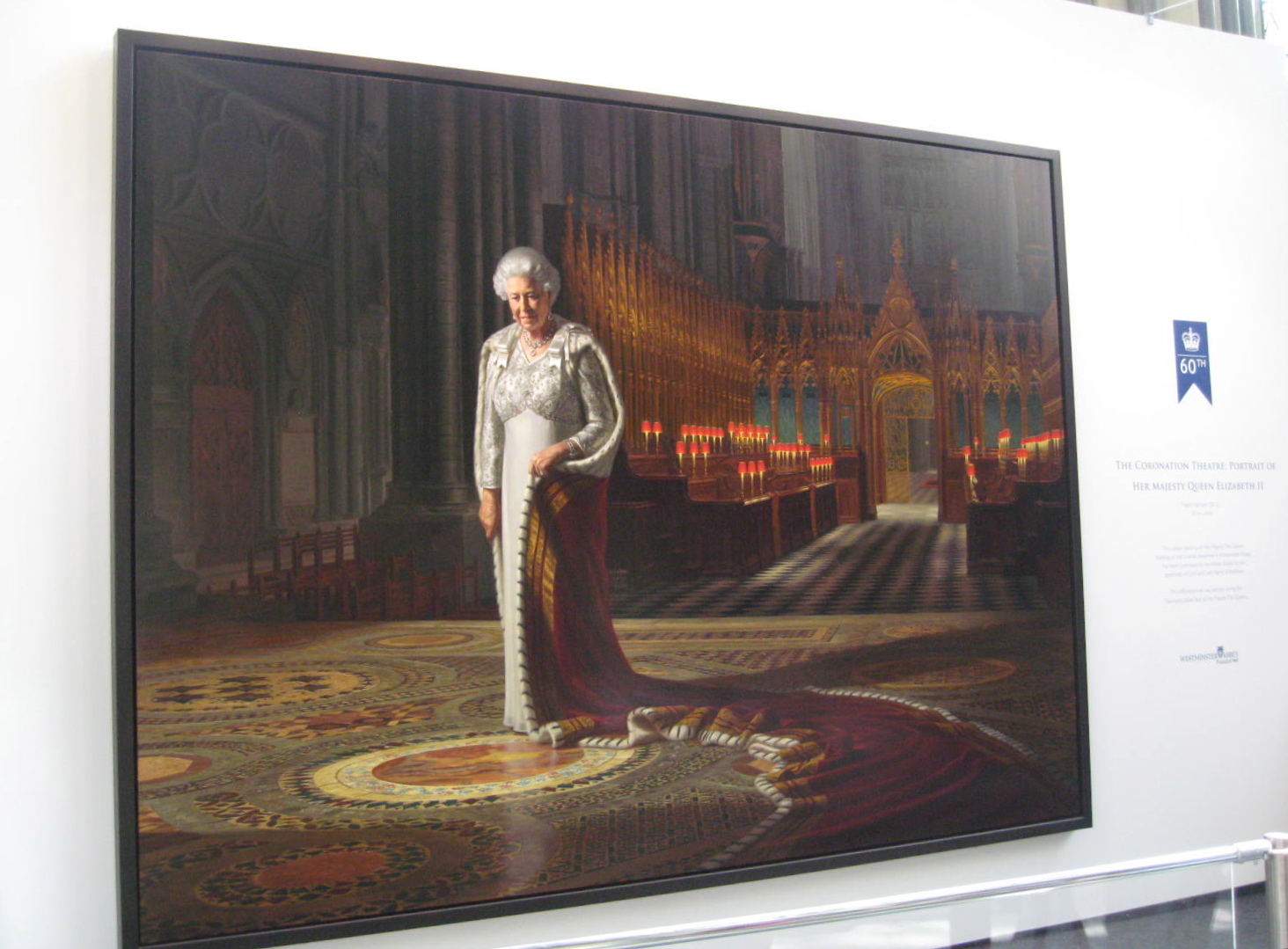
And then there was that very famous coronation 60 years ago.  In the Chapter house  there is an exhibition on the Coronation of Queen Elizabeth II, which took place at the abbey, and the original painting by Australian artist Heimans, which is spectacular, was still on exhibition.

The painting

The painting by Ralph Heimans. Photo by me.

I had read that this painting had been damaged by a vandal in June who sprayed paint on it.  It was good to see that the artist was able to bring it back to its original glory.

Detail.  The Queen is standing in the Abbey on the spot where she was crowned in 1953. Photo by me.

Detail. The Queen is standing in the Abbey on the spot where she was crowned in 1953. Photo by me.

I must say, my time in Westminster gave me pause.  The sense of history, tradition and mortality was palatable.

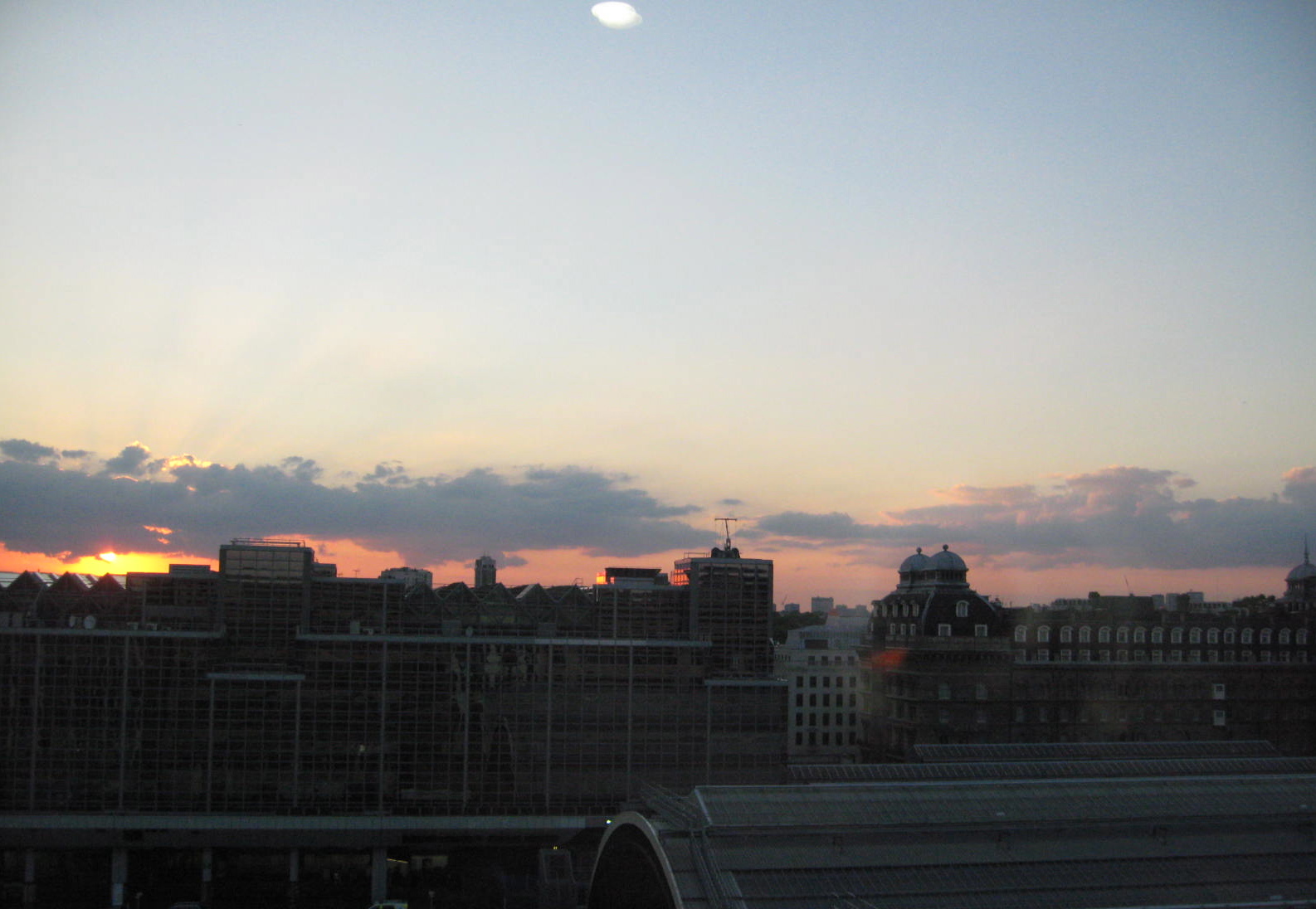
With that, I came back to my room, watched the sun set, and planned on heading back to Burnham-on-Crouch the next day.

Goodnight, London. Photo by me.

Goodnight, London. Photo by me.


Coastal Walk Ramsgate to Broadstairs

21 Wednesday Aug 2013

Posted by pat in England, Sailing, sketching, Travel, Uncategorized

≈ Leave a Comment

Tags

Broadstairs, Ramsgate, Viking Coastal Trail

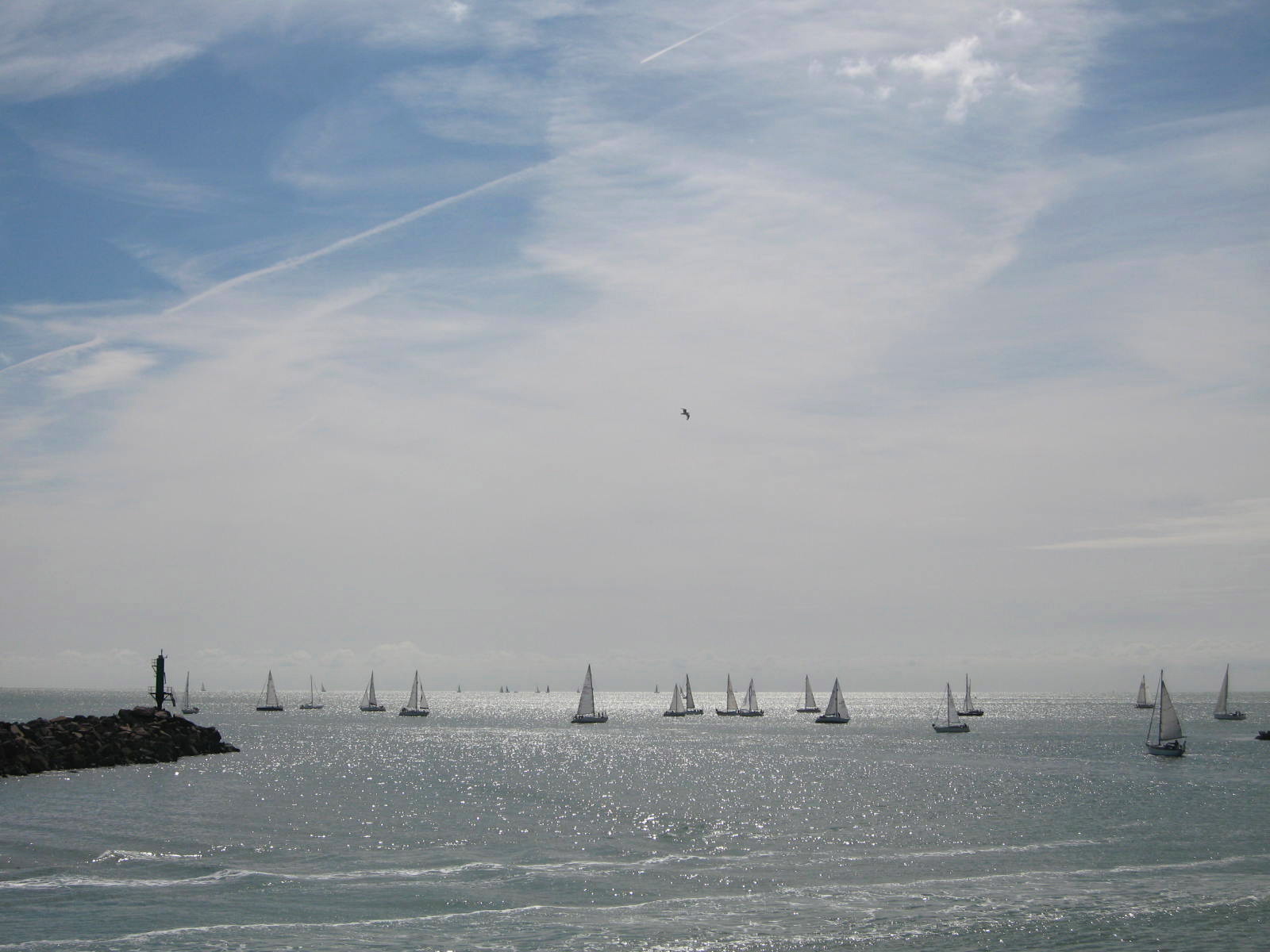
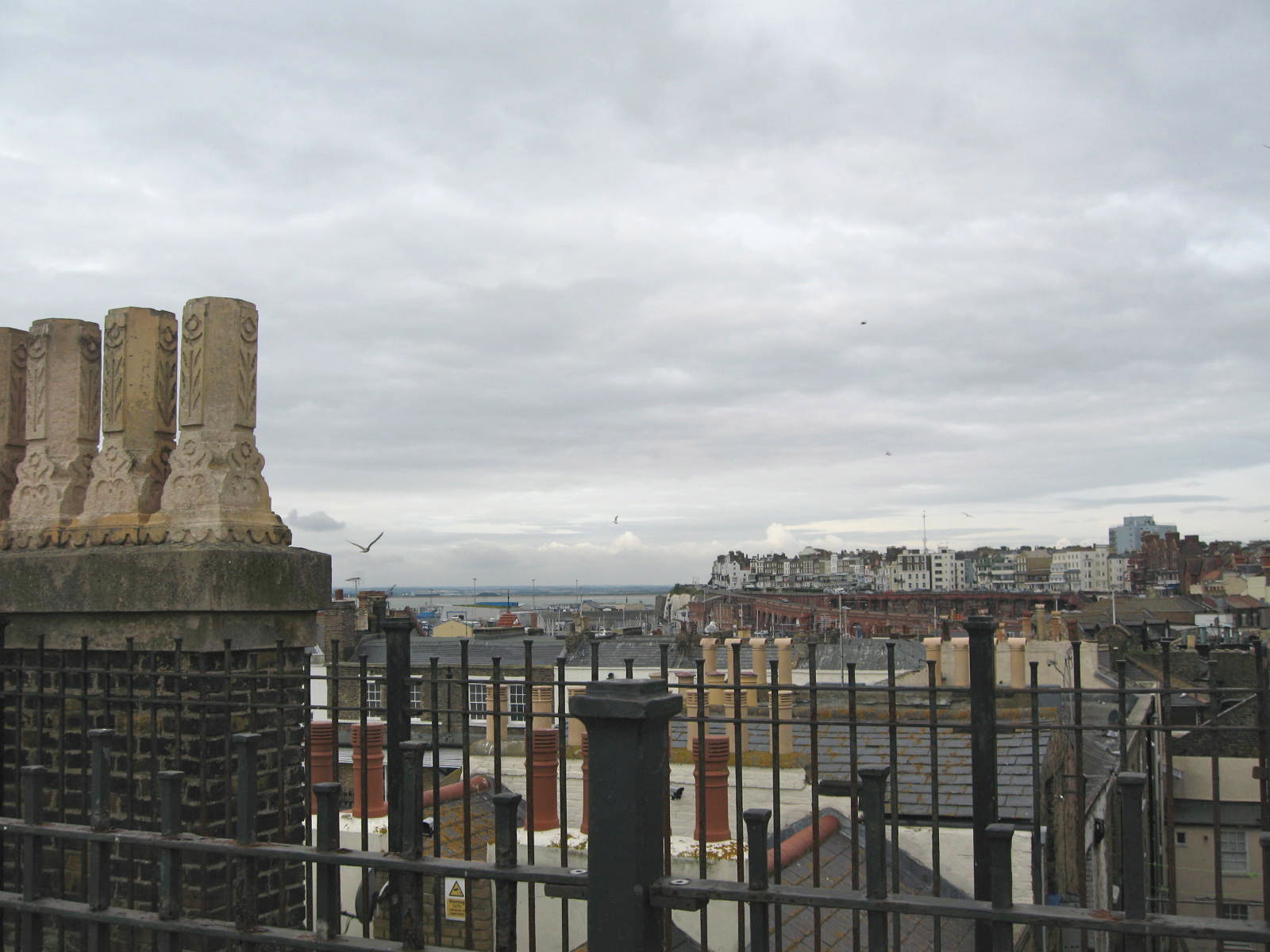
Early one morning this summer in southeast England, when the sailors had gone out to race during Ramsgate week…

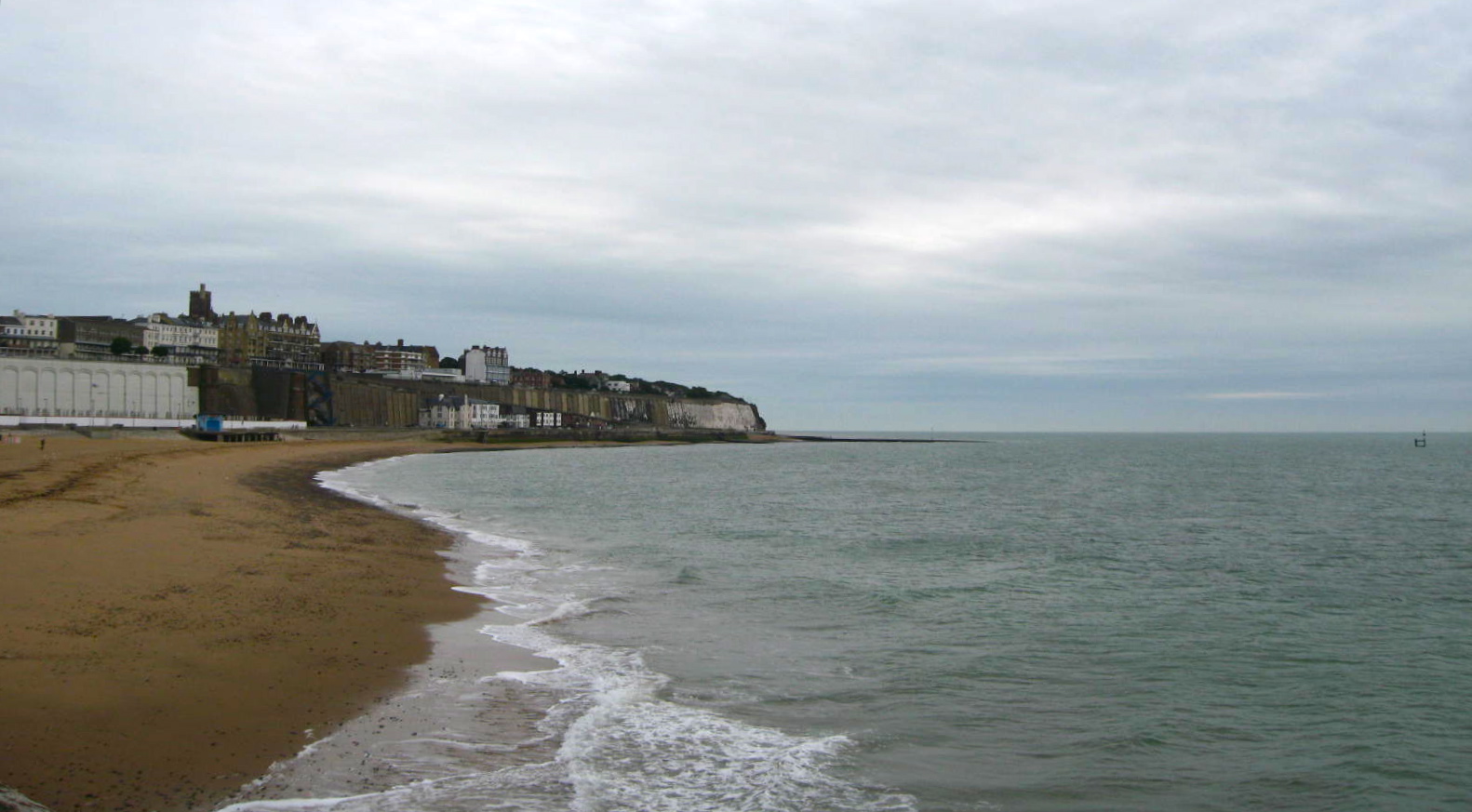
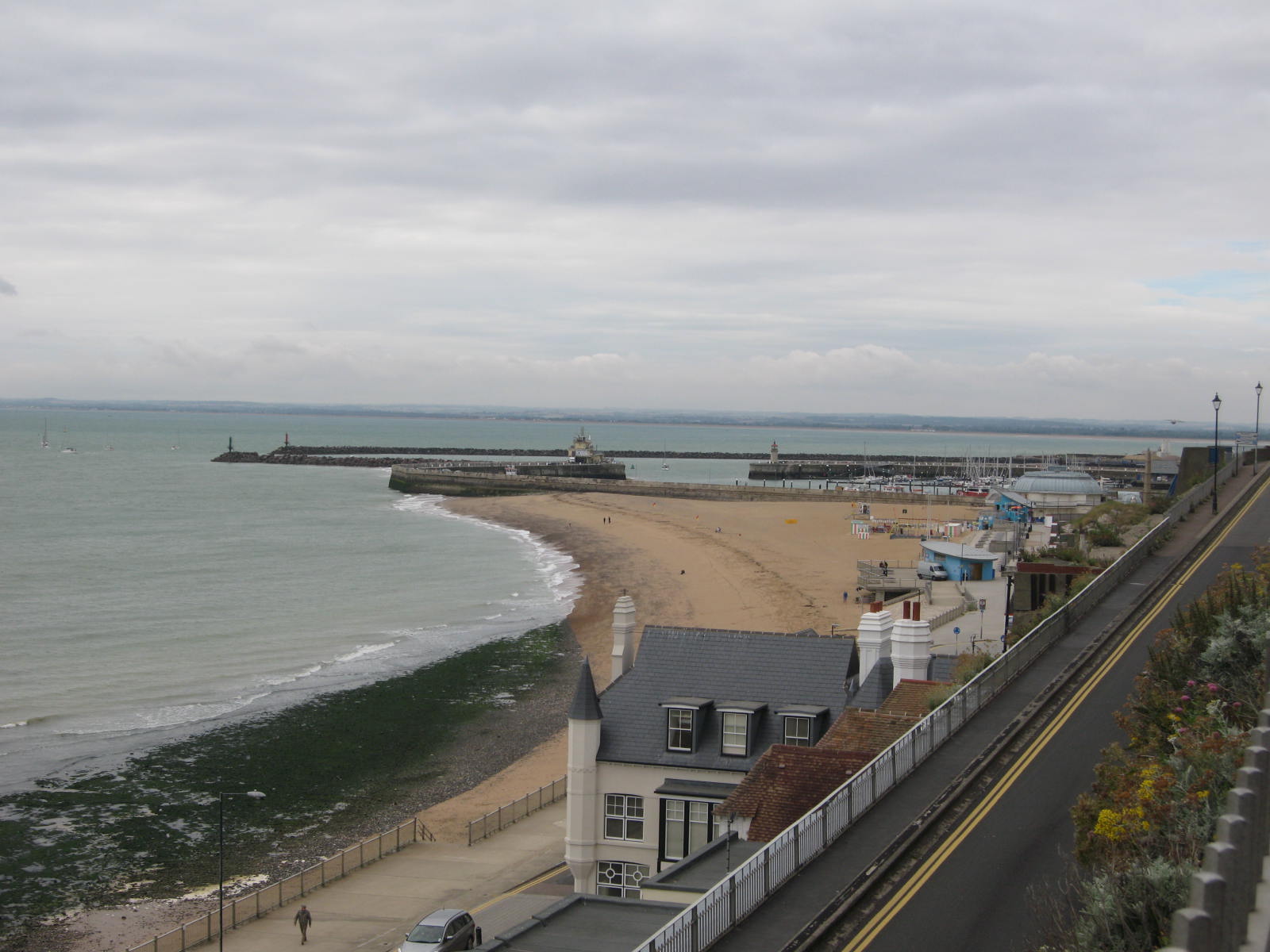
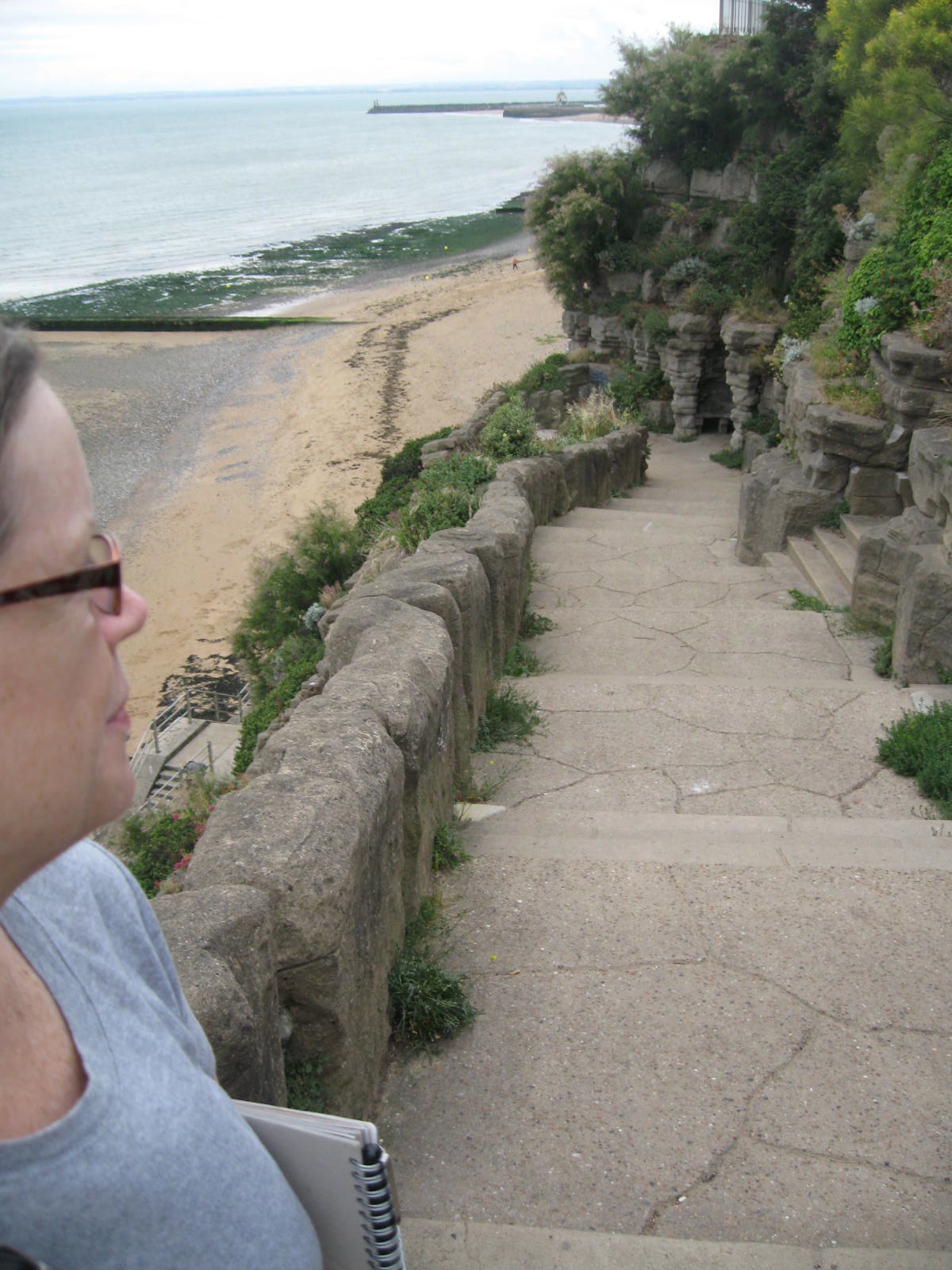
IMG_8659I decided to take my sketchbook and head up the Viking Coastal Trail which hugs the English Coast.  France is only 30 miles away across the sea, but the coastline here is pure English…chalk cliffs, seagulls and beautiful horizons.

IMG_8762

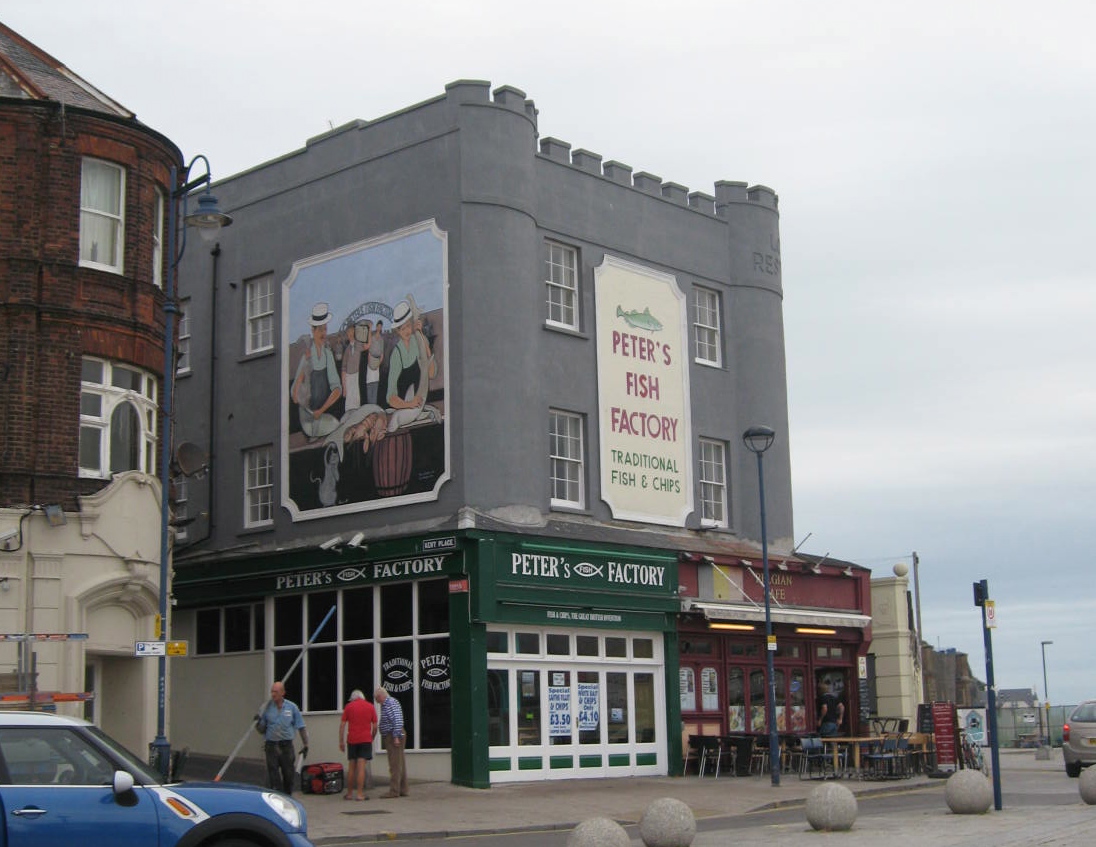
Appropriately, the walk begins in Ramsgate above a popular fish and chips shop near the beach.

IMG_8745

I headed up the cliff to get on the upper walkway along the coast.  I was heading to Broadstairs, sketchbook and camera in hand.

IMG_8768

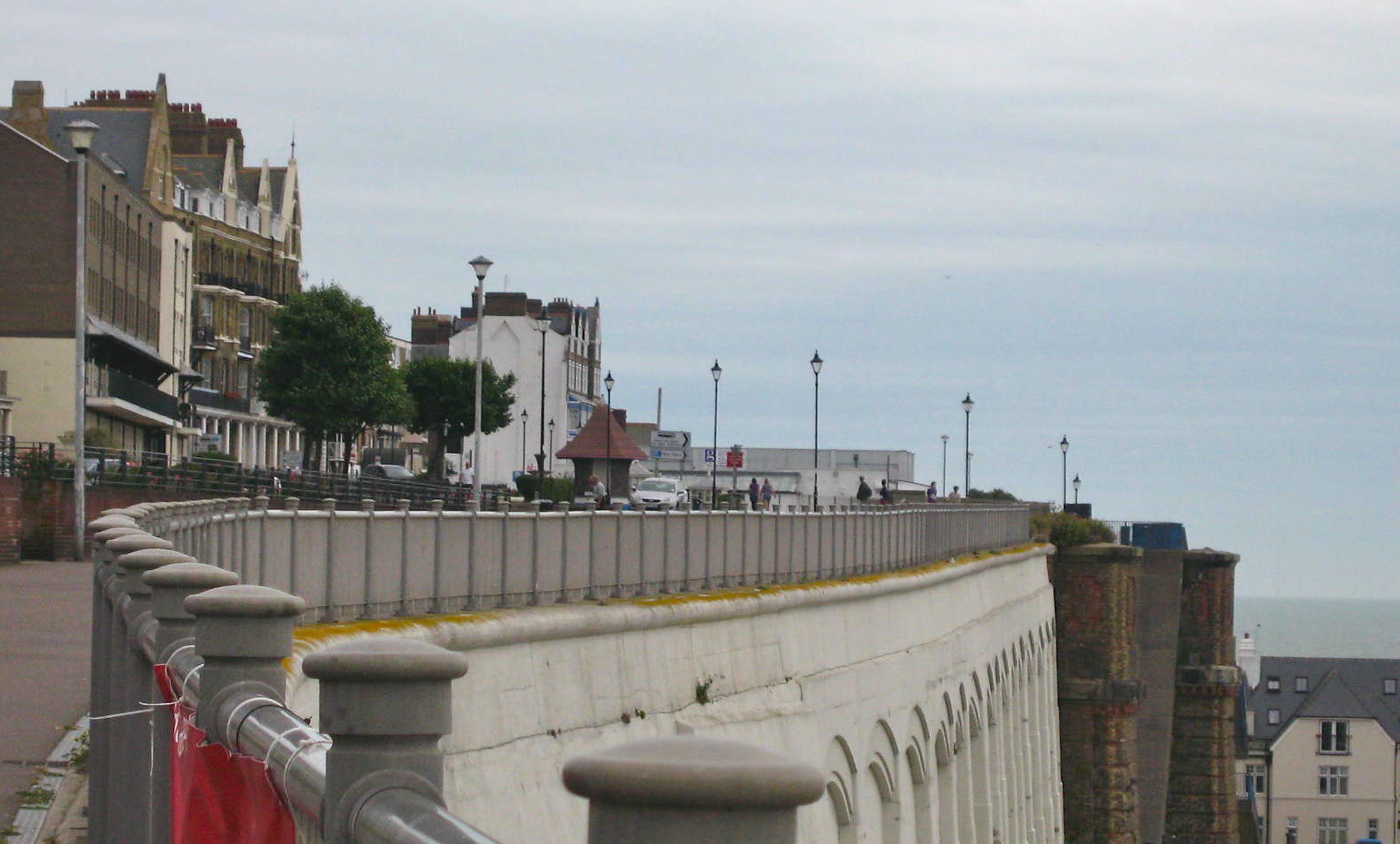
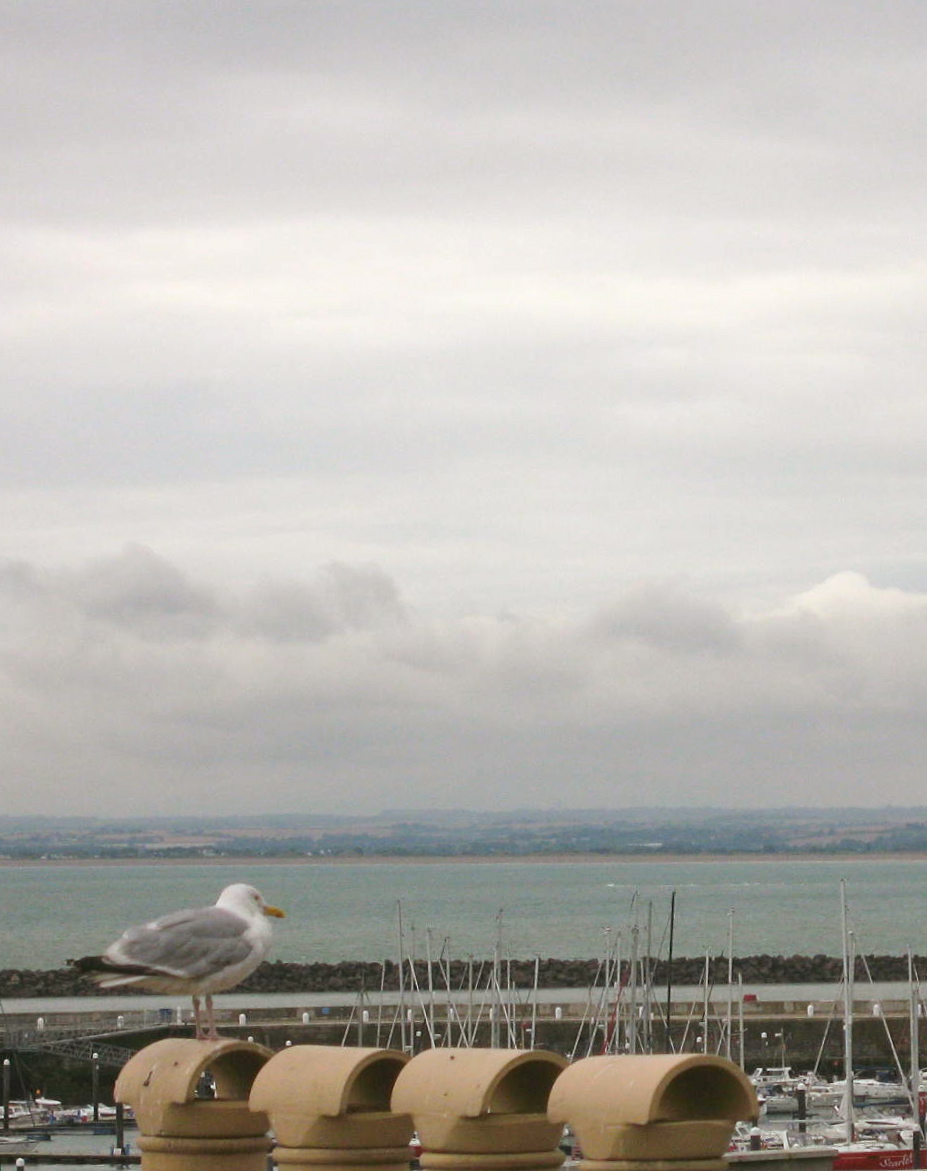
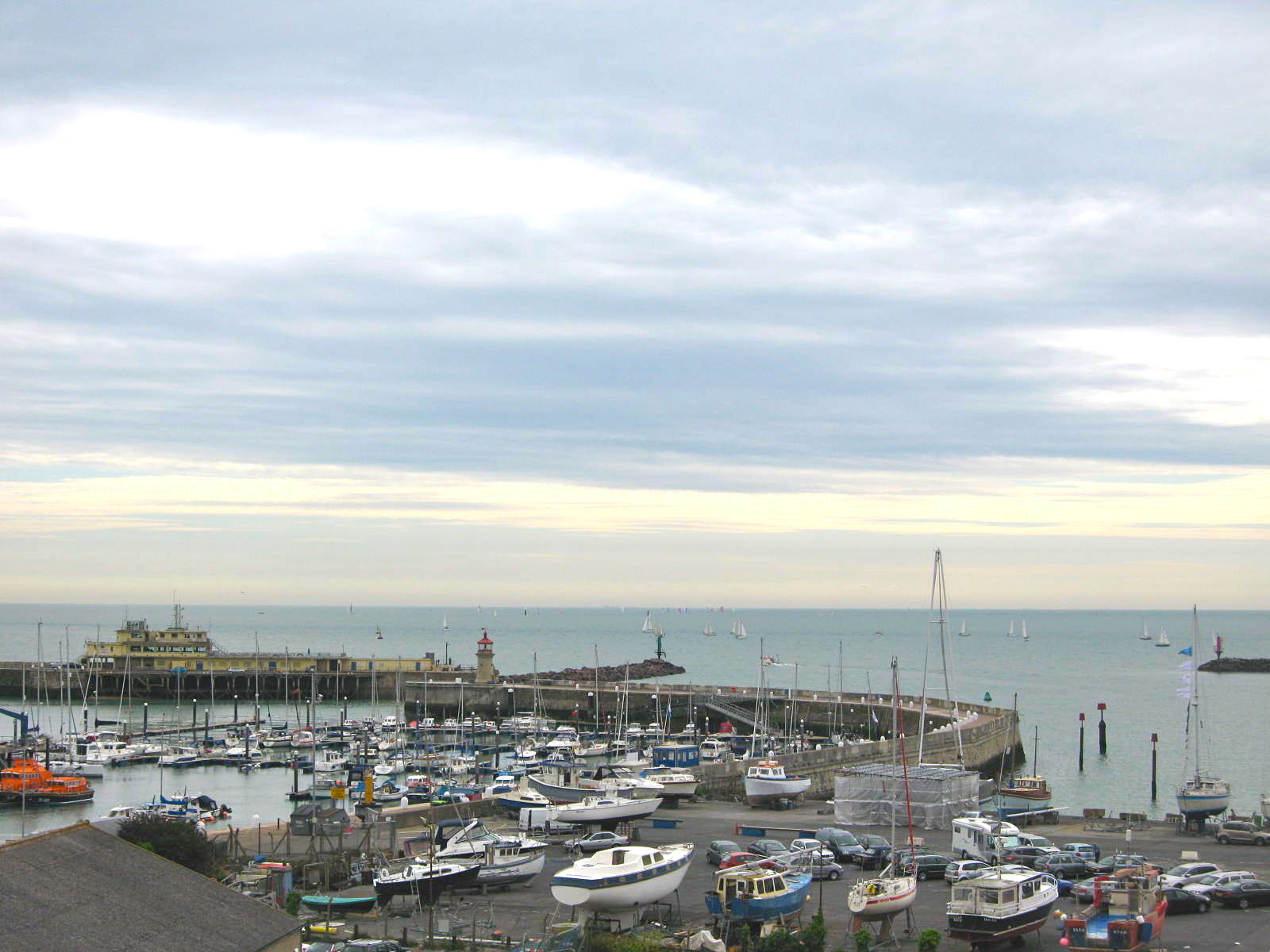
I was well above the marina and the seawall of Ramsgate.

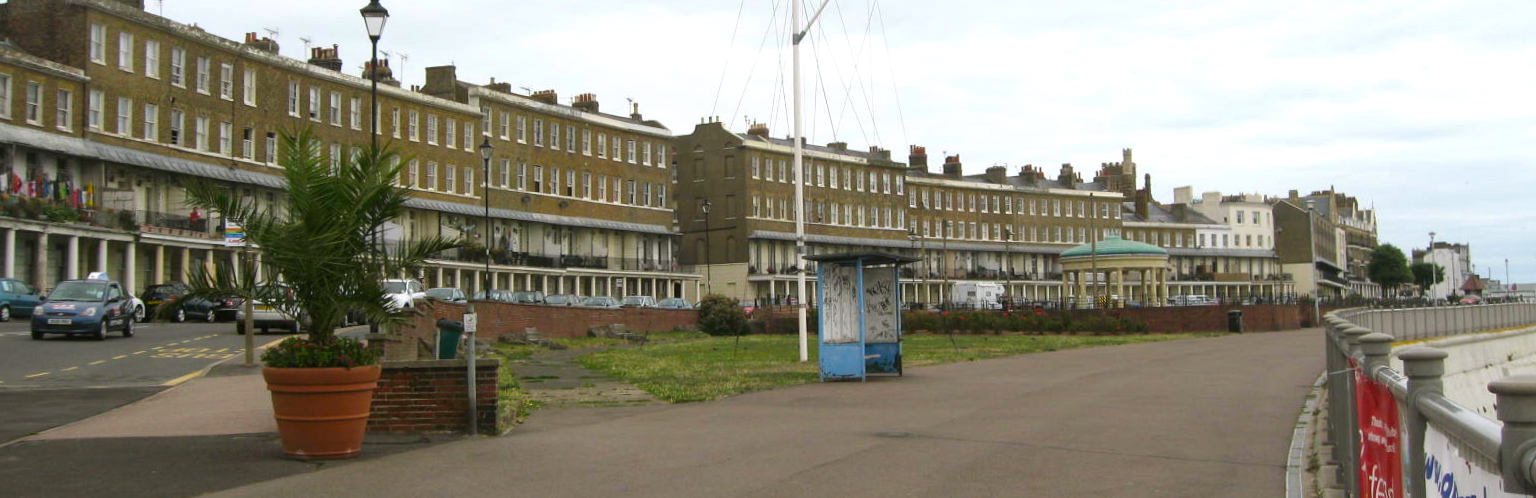
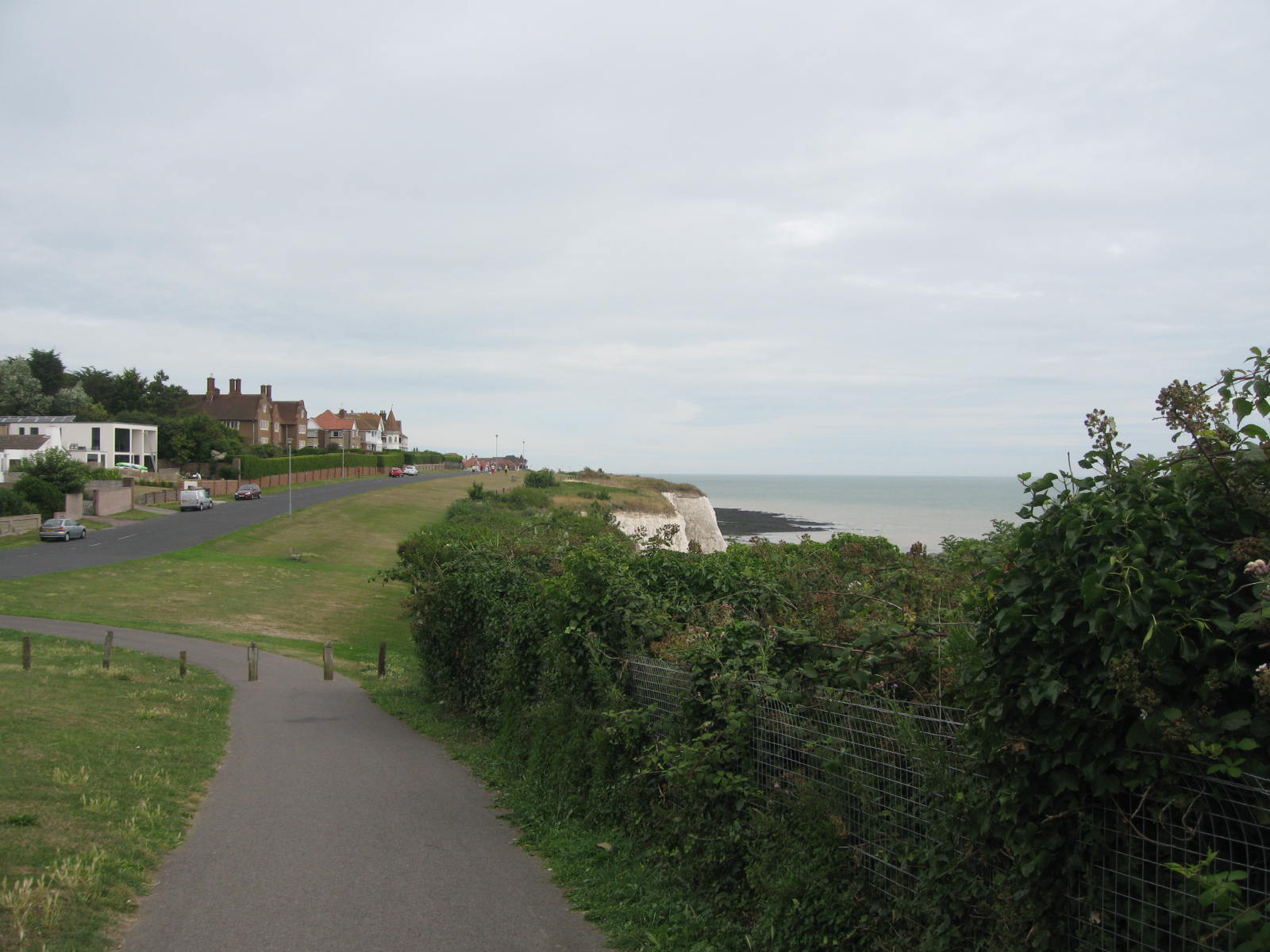
IMG_8767I headed north.  It was overcast but lovely…maybe 65 degrees with a soft breeze. I headed along some of the Victorian era crescents to my left…

IMG_8769 the sea and vistas back towards Ramsgate behind me…

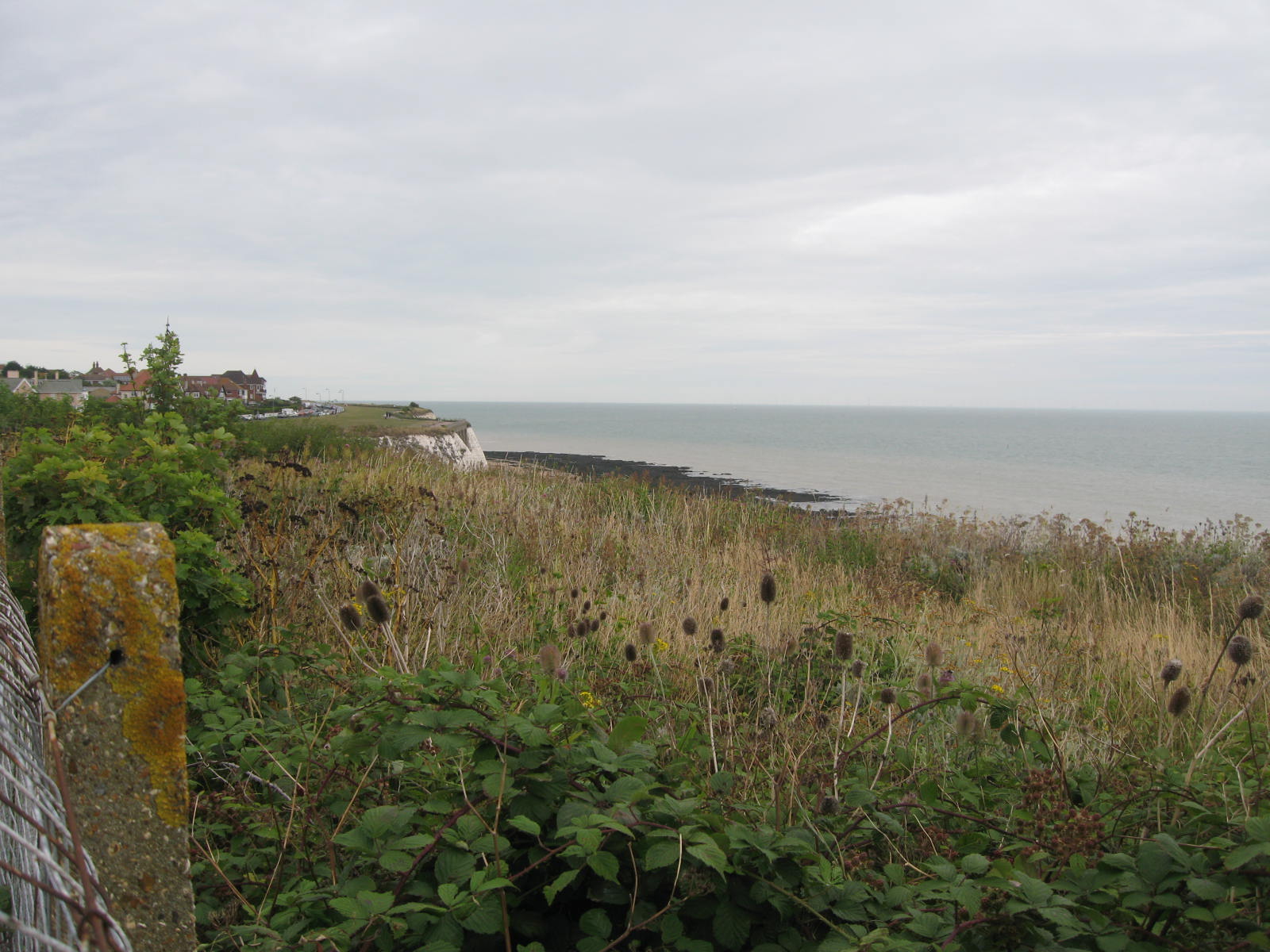
IMG_8771and the sea and the beaches to my right.

IMG_8774As I walked out of Ramsgate proper, it became all about the sea.

IMG_8776

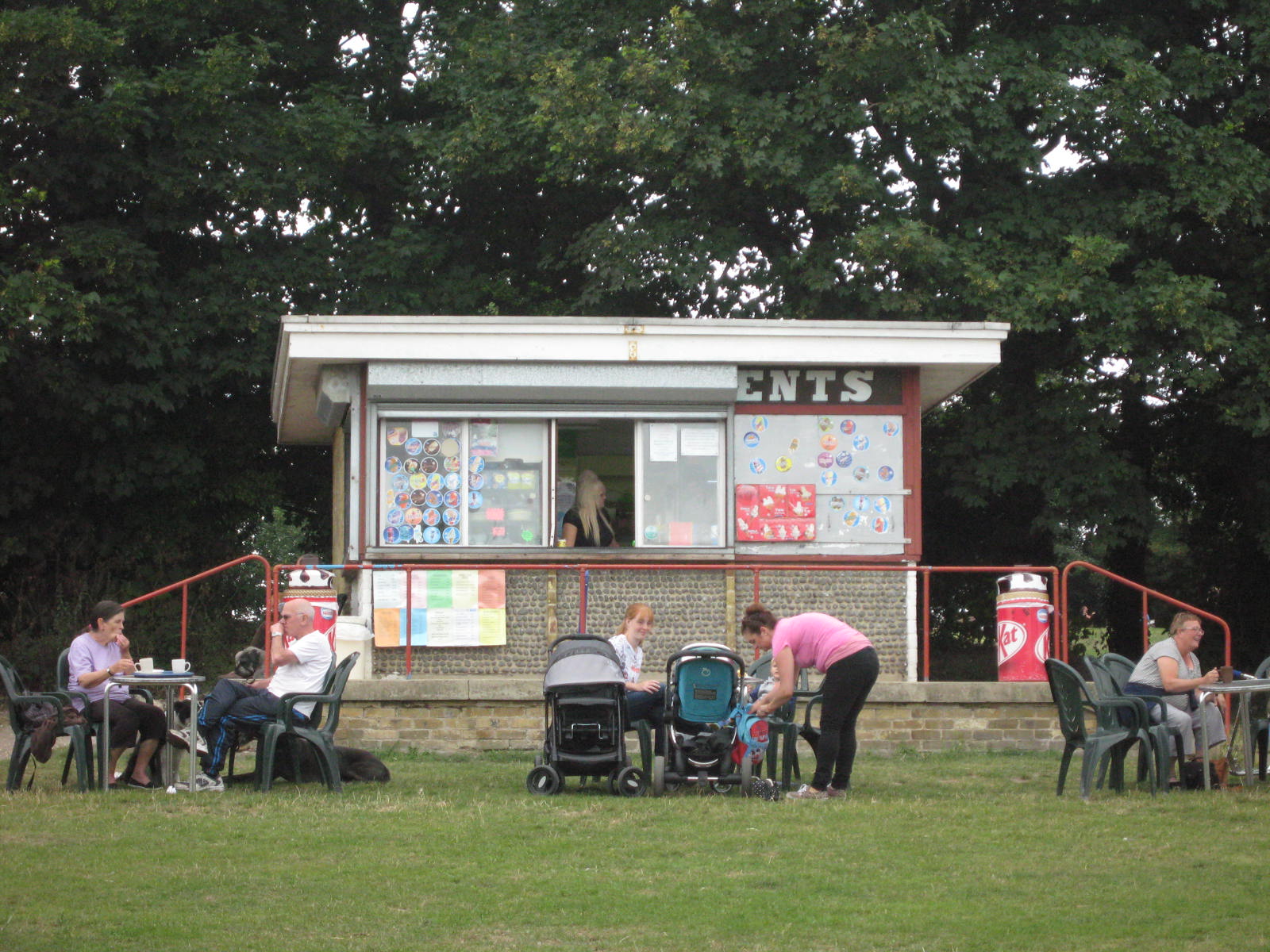
IMG_8781The path finally cut a bit away from the sea, into a wooded park, with a small food stop and dogs everywhere playing with balls and kids and each other.

IMG_8792

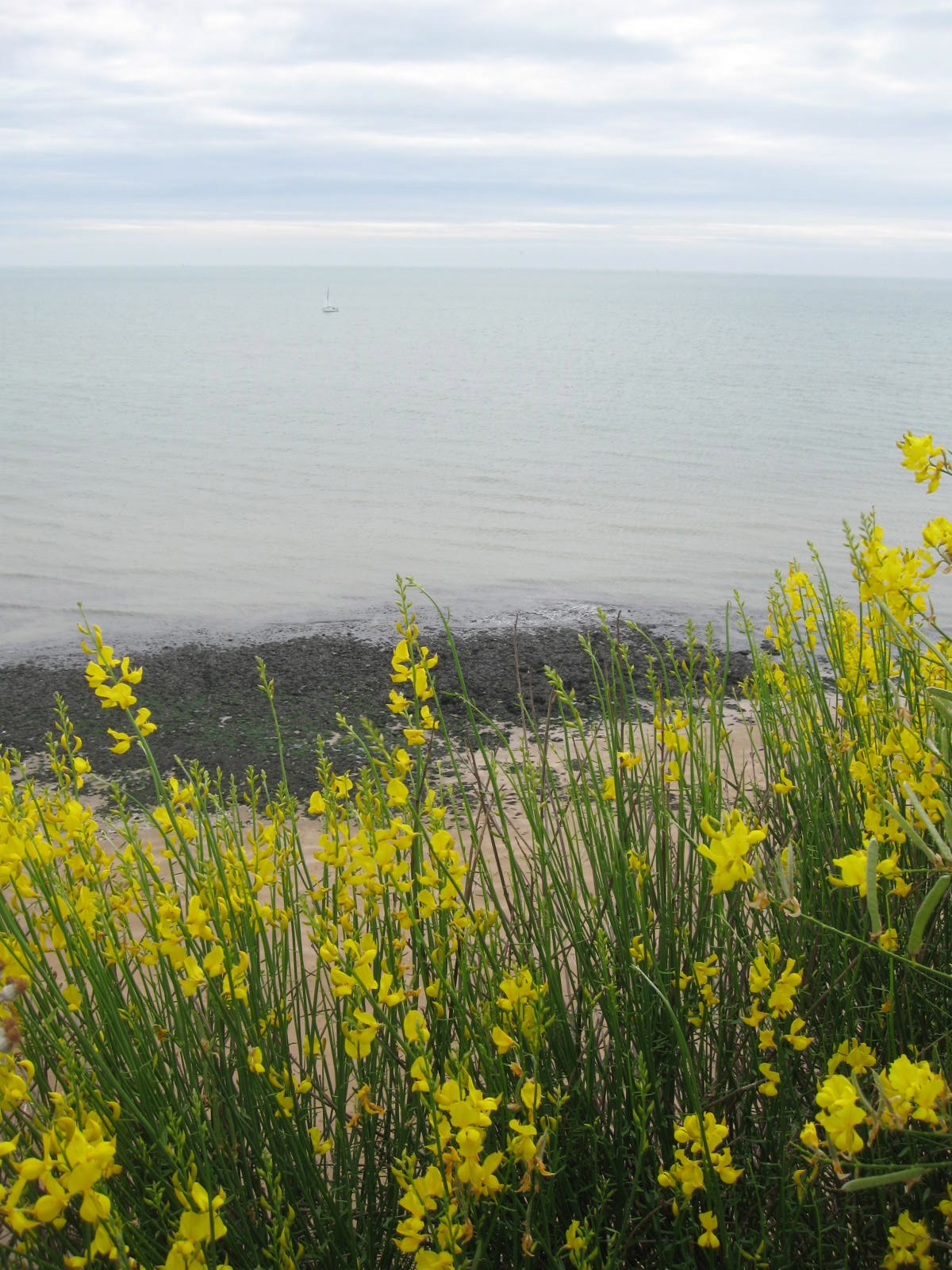
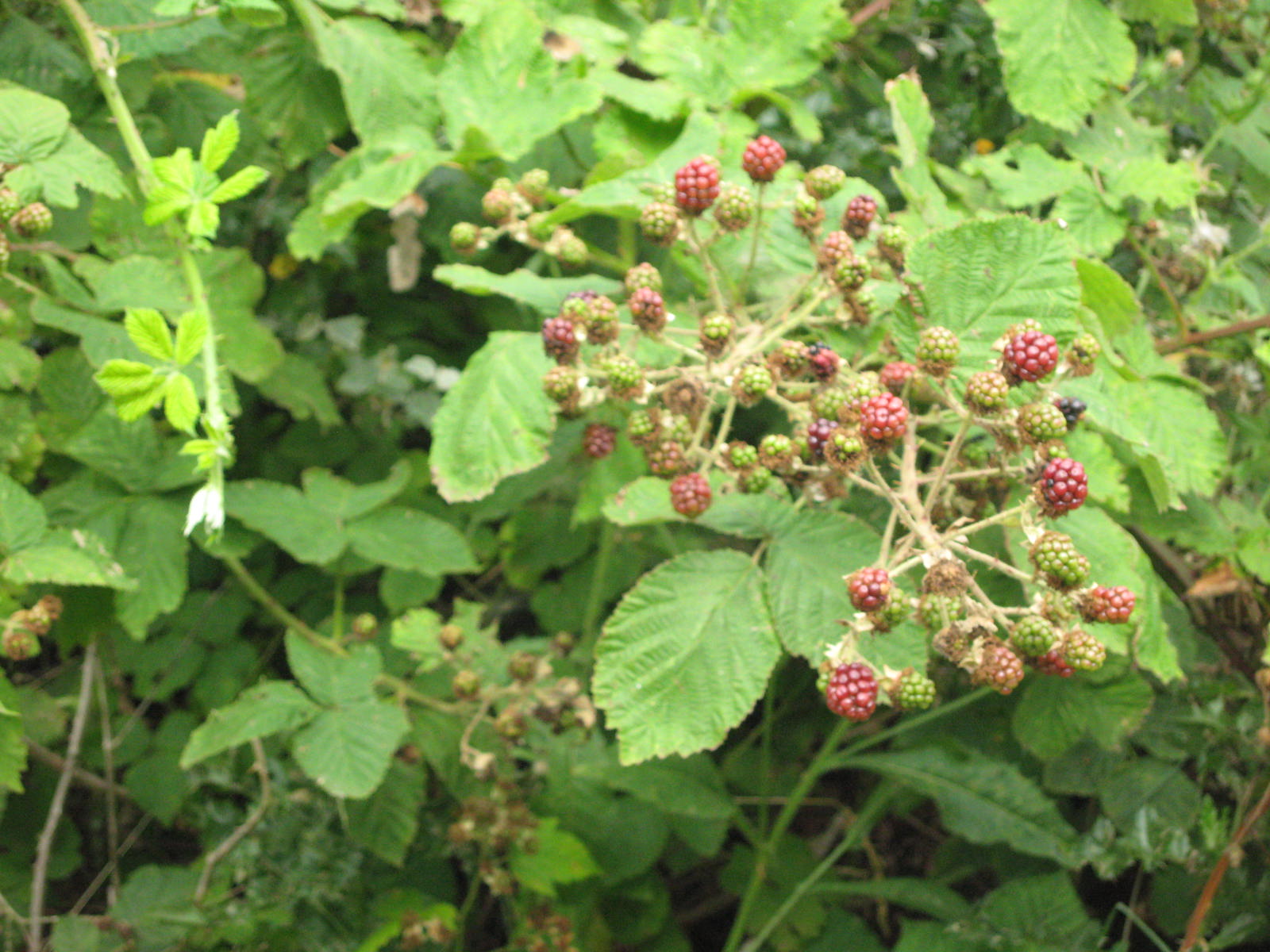
As the park ended, the path went through mounds of berry bushes…

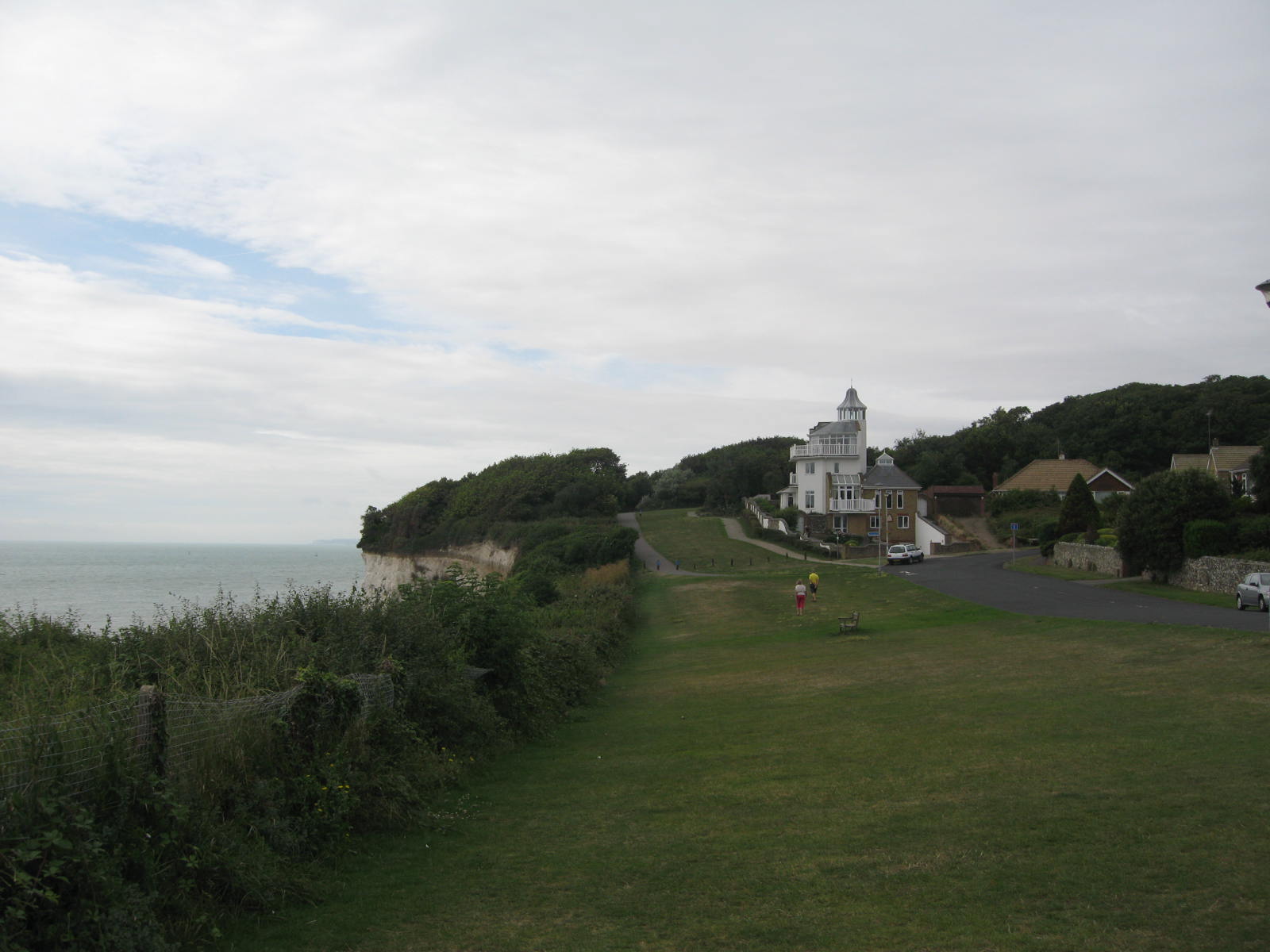
IMG_8782and finally ended up here…on the Boradstairs side of the park.

IMG_8784The sea reappeared in all its glory.

IMG_8791And after a long sit on a strategically placed bench, I decided to head back towards Ramsgate.

IMG_8787This time when I came to the other end of the park, I decided to take the lower beach walk. I took a long time getting down these steps taking in the views.

IMG_8806

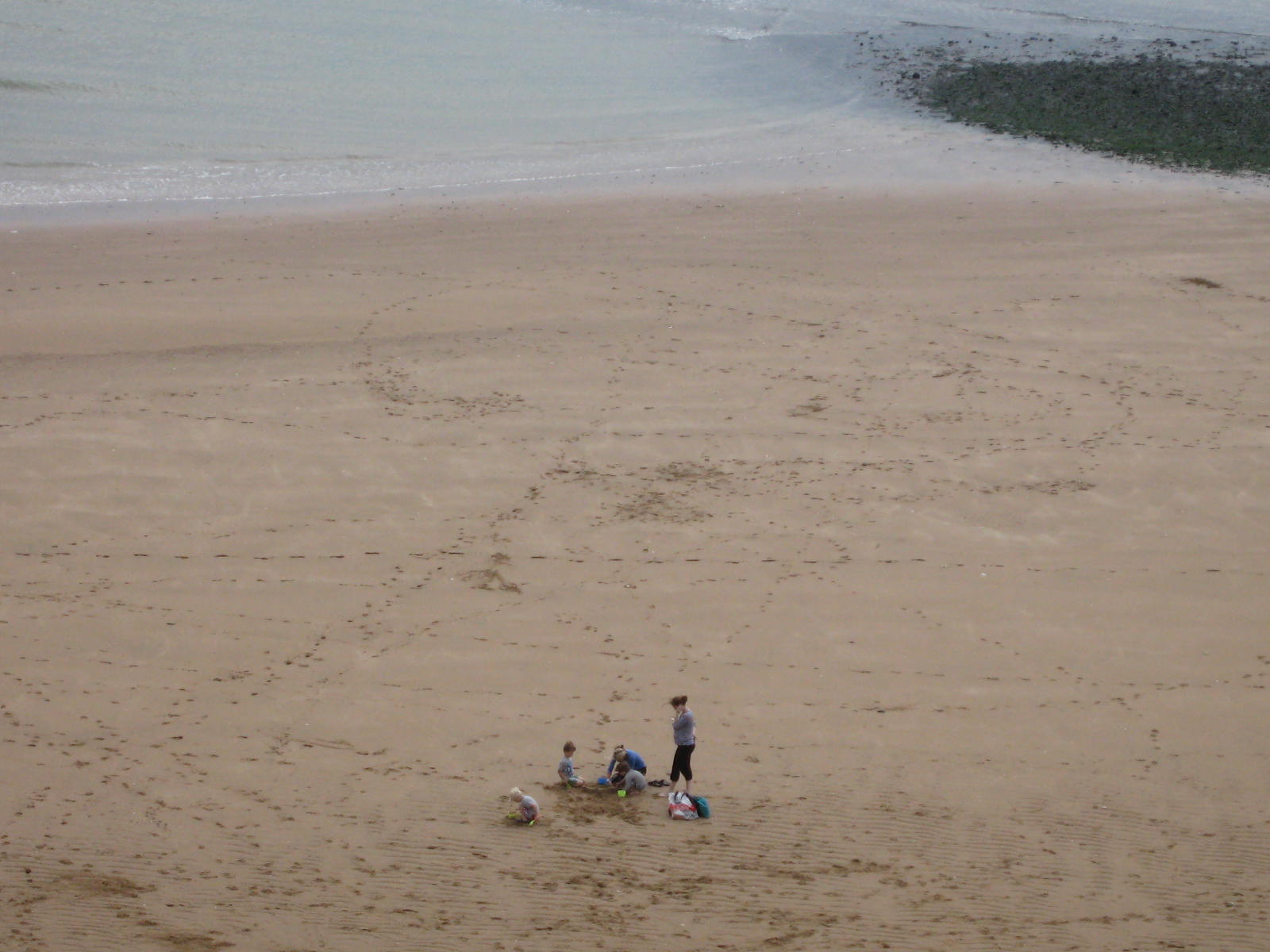
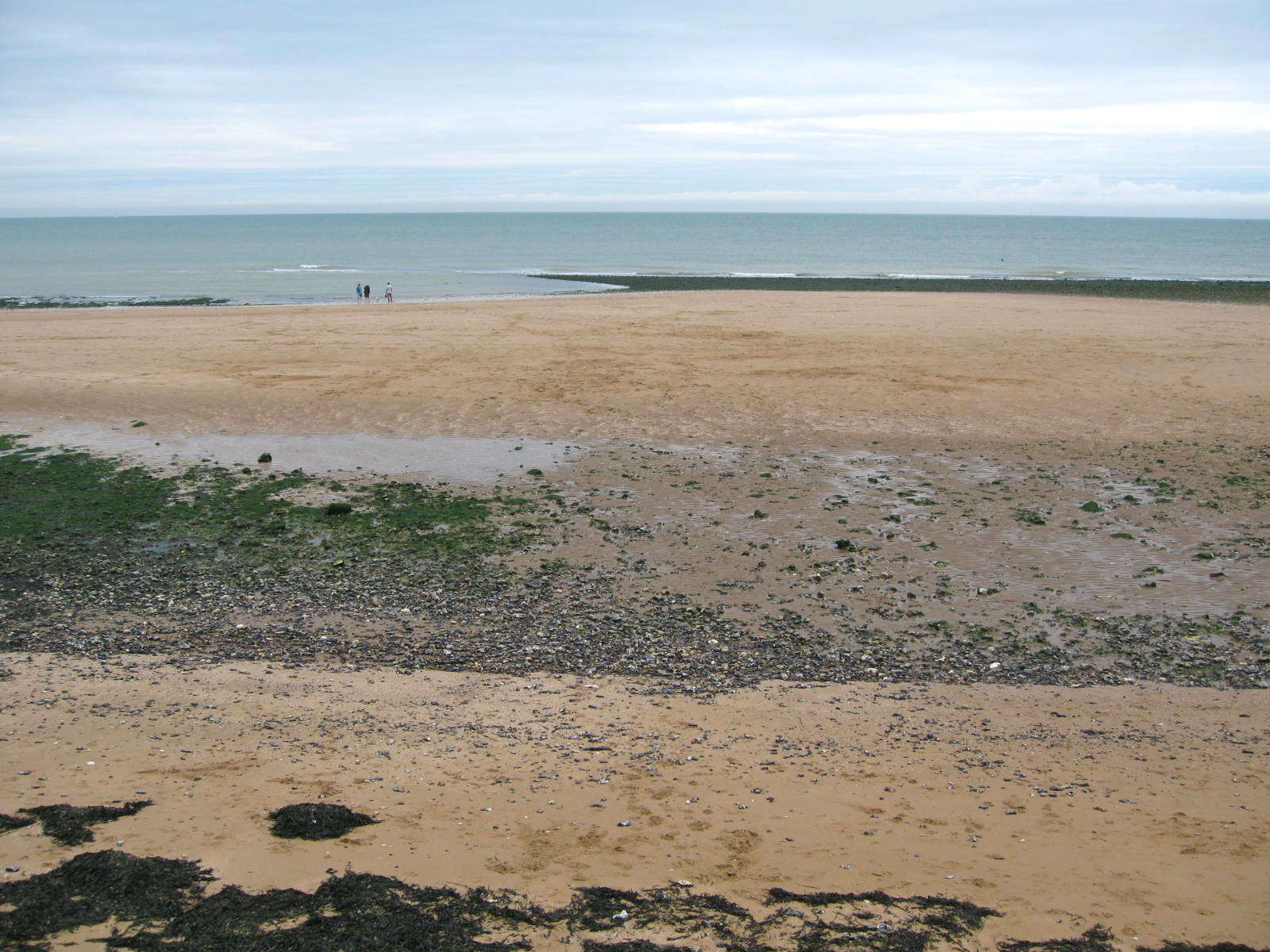
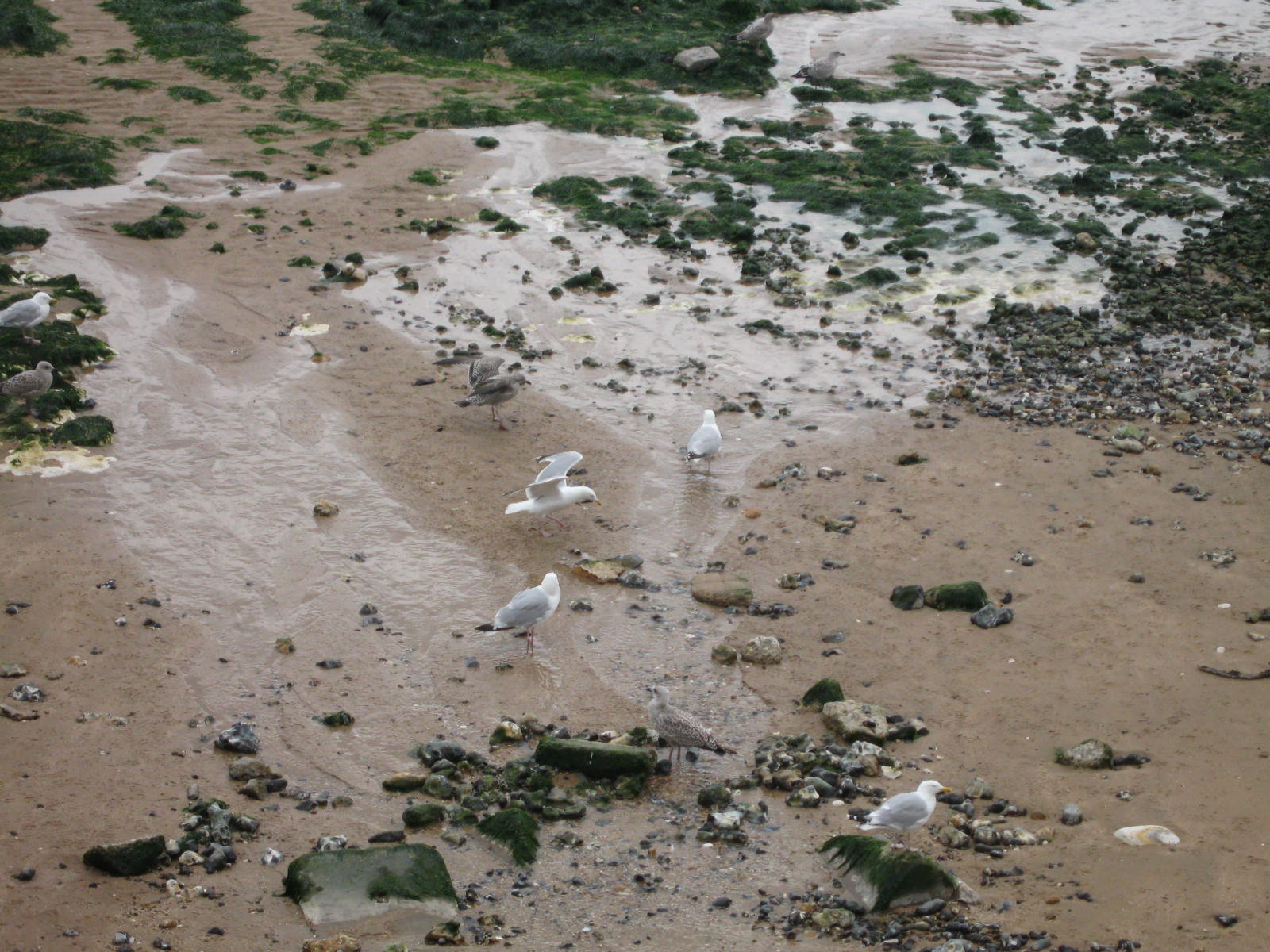
I headed home along the beach, watching the sea and the people and the birds.

IMG_8823IMG_8831

Back to town and the sailors…

IMG_8875


What to pack for a vacation in Great Britain?

01 Thursday Aug 2013

Posted by pat in Cornwall, England, London, Peak District, Scotland, Travel, Uncategorized, United Kingdom

≈ Leave a Comment

Tags

launderette, packing

What should you pack for a vacation in Great Britain? Layers. And more layers.

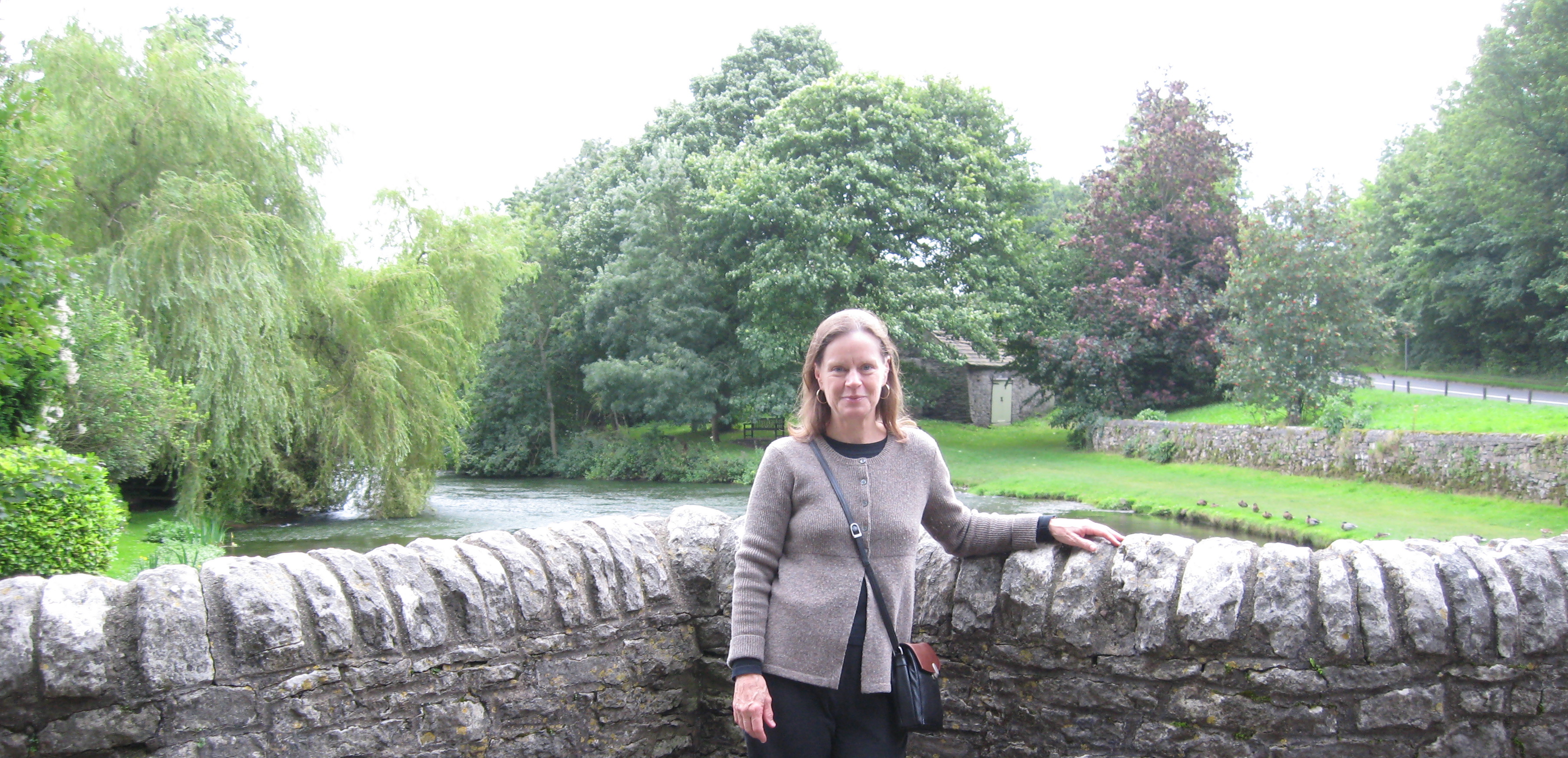
Down to the sweater layer in Asford in the Water in the Peak District. Photo by My Beloved Brit.

Down to the sweater layer in Ashford-in-the-Water in the Peak District on a summer morning going for a walk. Photo by My Beloved Brit.

It is positively the only way to go. The thing about England is, no matter what the weather is at the moment, it is sure to change shortly. And it is almost impossible to predict the temperatures for any given season. When we were in Scotland last summer, everyone assured us it would be damp and chilly.  It was sunny, bright and in the 80s–for days!

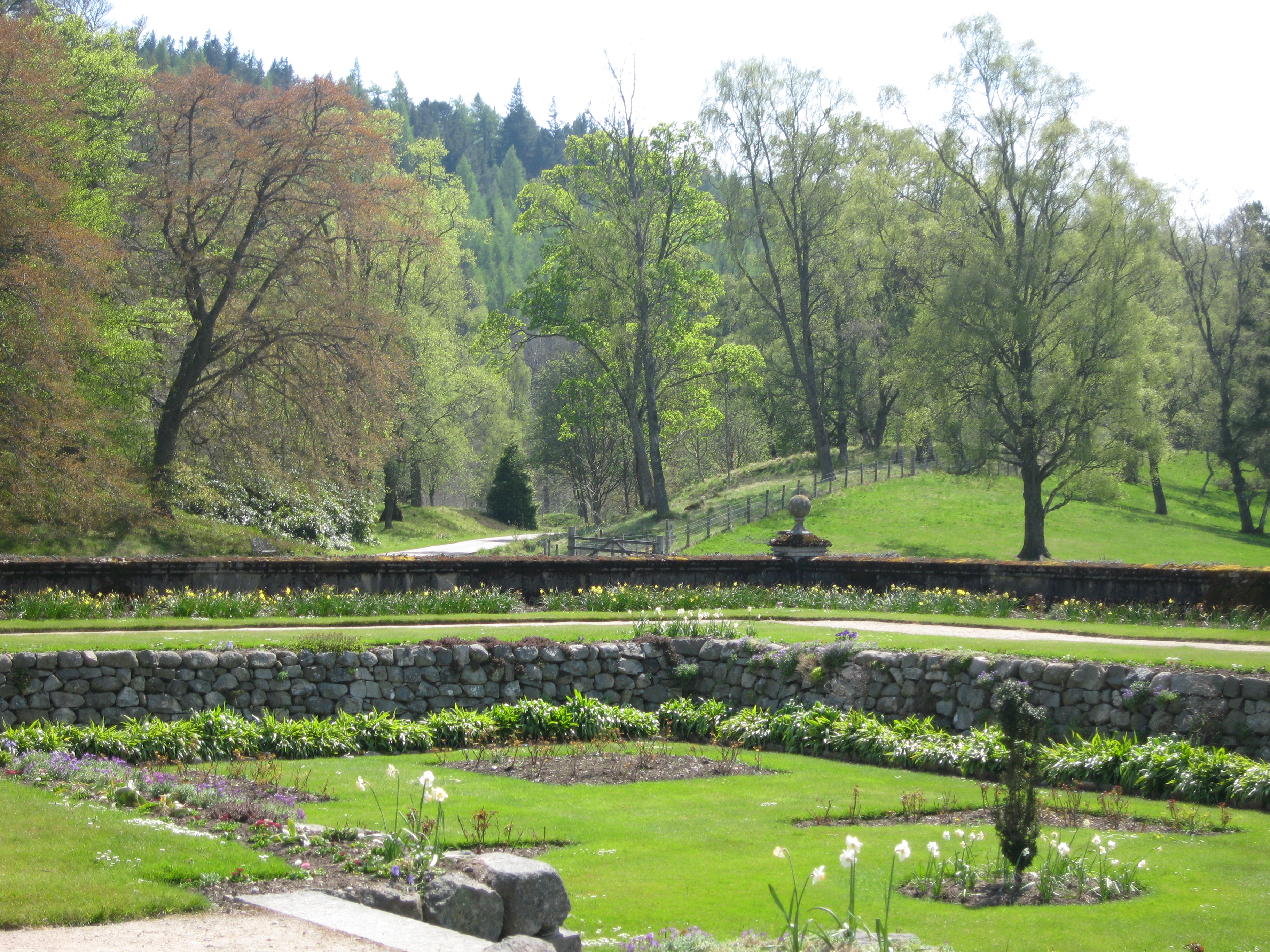
A very warm, sunny day in the gardens at Balmoral in Scotland in June. Photo by me.

A very warm, sunny day in the gardens at Balmoral in Scotland in early June. Photo by me.

Very unusual, yes. But we have learned in the UK to expect the unexpected and pack accordingly.

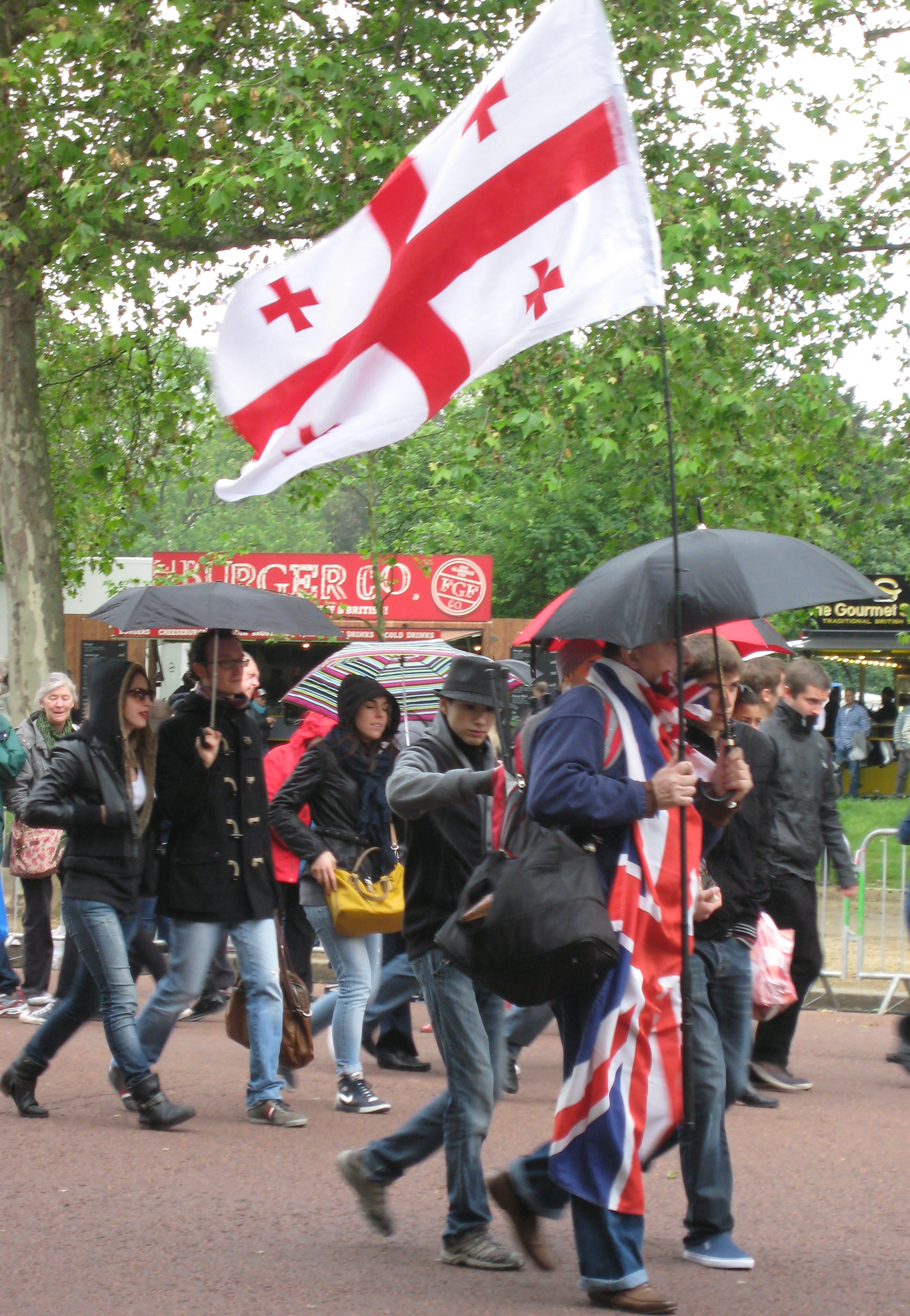
The crowds head to Buckingham Palace to see the Queen on the Diamond Jubilee weekend June 2012. Photo by me.

The crowds head to Buckingham Palace to see the Queen on the Diamond Jubilee weekend June 2012. Notice the light jackets, and brollies in hand. Photo by me.

Now, granted, we tend to go for long stretches of time…sometimes 5 or 6 weeks (we have a lot of family and friends to visit).  But the basics are the same.

1.  Don’t pack for a year.

There are laundrette’s all over the UK, and it is a great way to pass an hour or two with the locals and catch up on your reading. You can easily go online, google the town you will be in, and “laundrettes”, or ask at your B&B or hotel.  They will know. Service wash means the laundrette will do your wash for you and you can pick it up later or the next day.  Self Service means you do it yourself, which is what we do. Usually we are driving, and at the beginning of the trip we stop at a grocery store and get a small bottle of laundry detergent. Or the laundrettes usually have them available for purchase. Our detergent stays with us for the trip and makes it even easier to do laundry on the road.

Our favorite laundrette in Burnham on Crouch, England. Photo by me

Our favorite laundrette in Burnham on Crouch, England. Photo by me

2. Make it easy and comfortable

Pack things that are wrinkle free if you don’t want to iron, although many hotels now have facilities to iron.  I usually bring a pair of jeans for those country walks, and a couple of pairs of lighter washable slacks–one that is dressier for dinners out.  Instead of shirts, I bring knits–t-shirts for me, polos for him, and light, washable cotton sweaters (jumpers in Brit speak). My Beloved Brit always likes a few buttoned collared shirts of the wash and wear variety for when we go out. I bring one or two washable wrinkle free skirts just in case it gets really warm.  MBB does bring one pair of shorts just in case.  But we find even when all his friends have shorts on, we might have two or three layers of long pants, t-shirts and jumpers on. MBB calls it being unclimatized. We’ve never regretted not packing a bathing suit.

A fine, sunny day in England and the shorts have appeared. Photo by me

A fine, sunny day in England and the shorts have appeared. Photo by me

3.  Outerwear and an umbrella

Bring a scarf or two for around the neck, and preferably a rain-resistant jacket (or coat depending on the season) with a little warmth to it, just in case. I also usually pack a light, packable small umbrella.  It is England after all. Rain comes and goes. When I did the Diamond Jubilee week in London last year, it rained lightly off and on over the weekend.  I was fine with my layers, my little “brollie” and a smile.  It was a great time.

Jubilee weekend.  Brollies are up for a moment but the crowds don't care.  Notice the layers of clothing. Photo by me

Jubilee weekend. Brollies are up for a moment but the crowds don’t care. Notice the layers of clothing. Photo by me

4. Shoes.

Always a dilemma.  First and foremost is comfort.  England is known to be a wonderfully walkable place, so plan on taking walks in the country, through villages and footpaths, or long rambles around London.

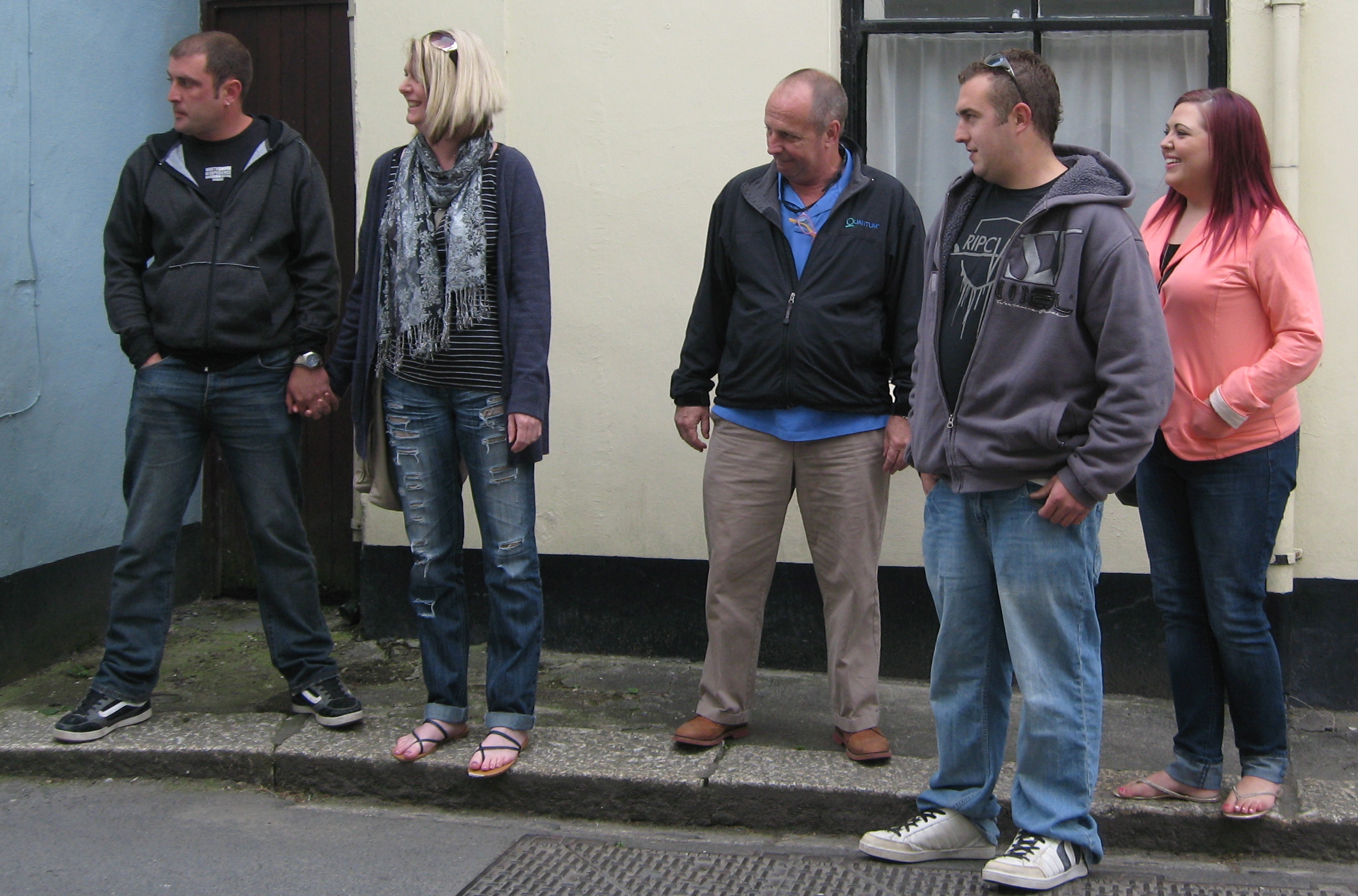
My Beloved Brit and his cousins walking in to Foey, Cornwall for Fish 'n' Chips.  Notice the English women have sandals on! Photo by me.

My Beloved Brit and his cousins walking in to Fowey, Cornwall in search of Fish ‘n’ Chips. Notice his English cousins have sandals on! Photo by me.

There’s usually public transportation, but walking is how you really get to see a country, and get a sense of the natives.  I usually opt for two pairs of very comfortable walking shoes that I can wear with socks, one pair a bit dressier to wear with the nice slacks. I also like a good pair of sandles in the summer for those days when you just feel like wiggling your toes in the sun, and to wear with my skirt.

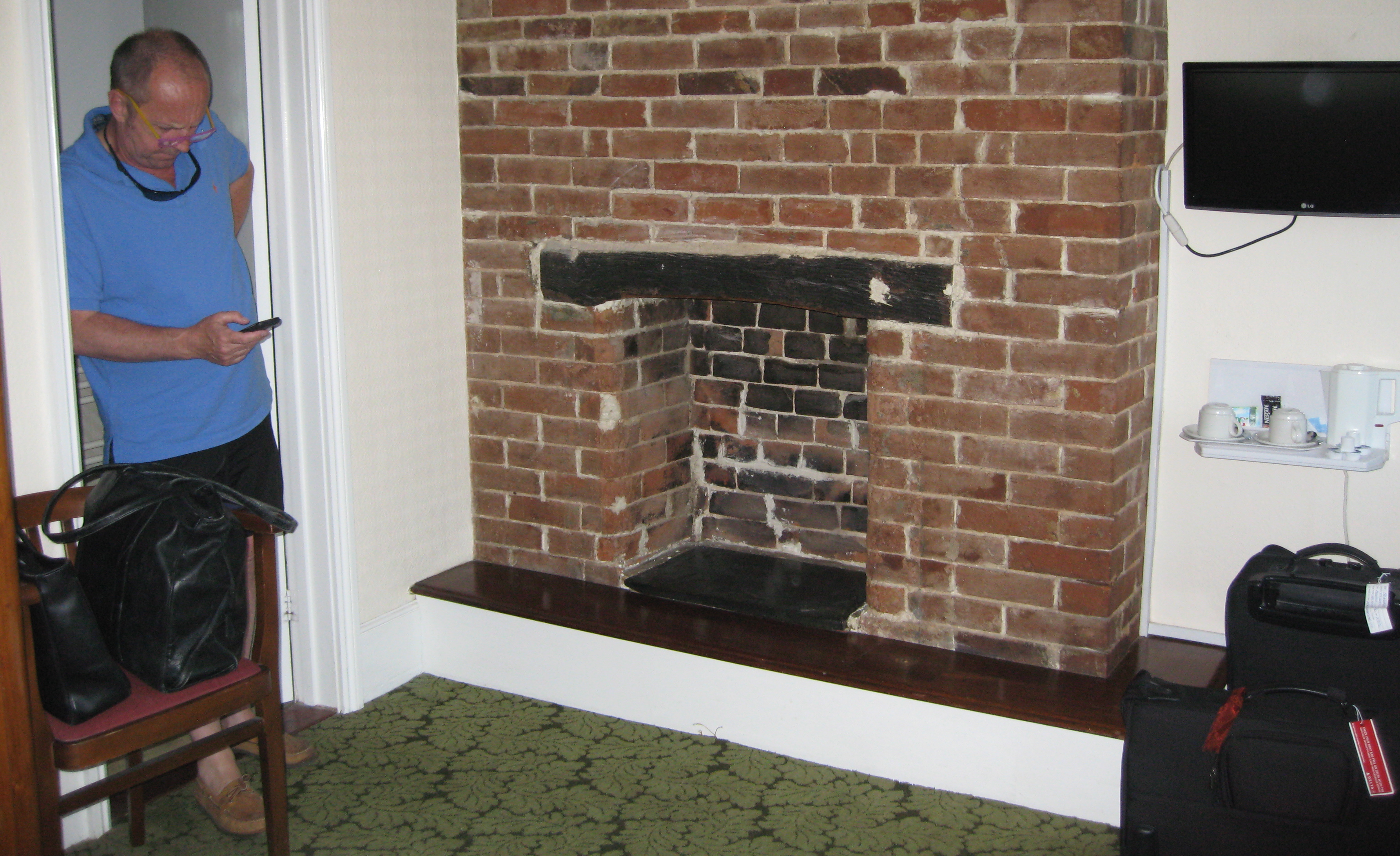
My Beloved Brit actually has shorts on again as we check in to our room in England. Notice the limited amount of luggage. Photo by me.

My Beloved Brit actually has shorts on again as we check in to our room in England. Notice the limited amount of luggage. There’s also always one large duffel for sailing gear. Photo by me.

5. For those special occasions.

Dressed for a wedding reception at a sailing club.

Dressed for a wedding reception at a sailing club.


Then usually I bring one nice dress, often a very packable light knit, and a sweater I can wear with it for cold evenings.

For most restaurants and gatherings we go to , this is as dressy as we need.  I bring my pearls and good earrings in case it gets really dressy.

MBB does bring a solid colored sports coat and one tie, just in case there is a sailing race dinner at a club that requires it.


And that is pretty much it.  You start out on a summer morning with a pair of cotton slacks, a t-shirt, a sweater and maybe a rain jacket with a scarf around your neck.  By noon hopefully you’re down to the t-shirt, but more likely you are at sweater level.  And of course just when you think you have it all figured out, it changes and the temps are in the 80s for five days in a row.

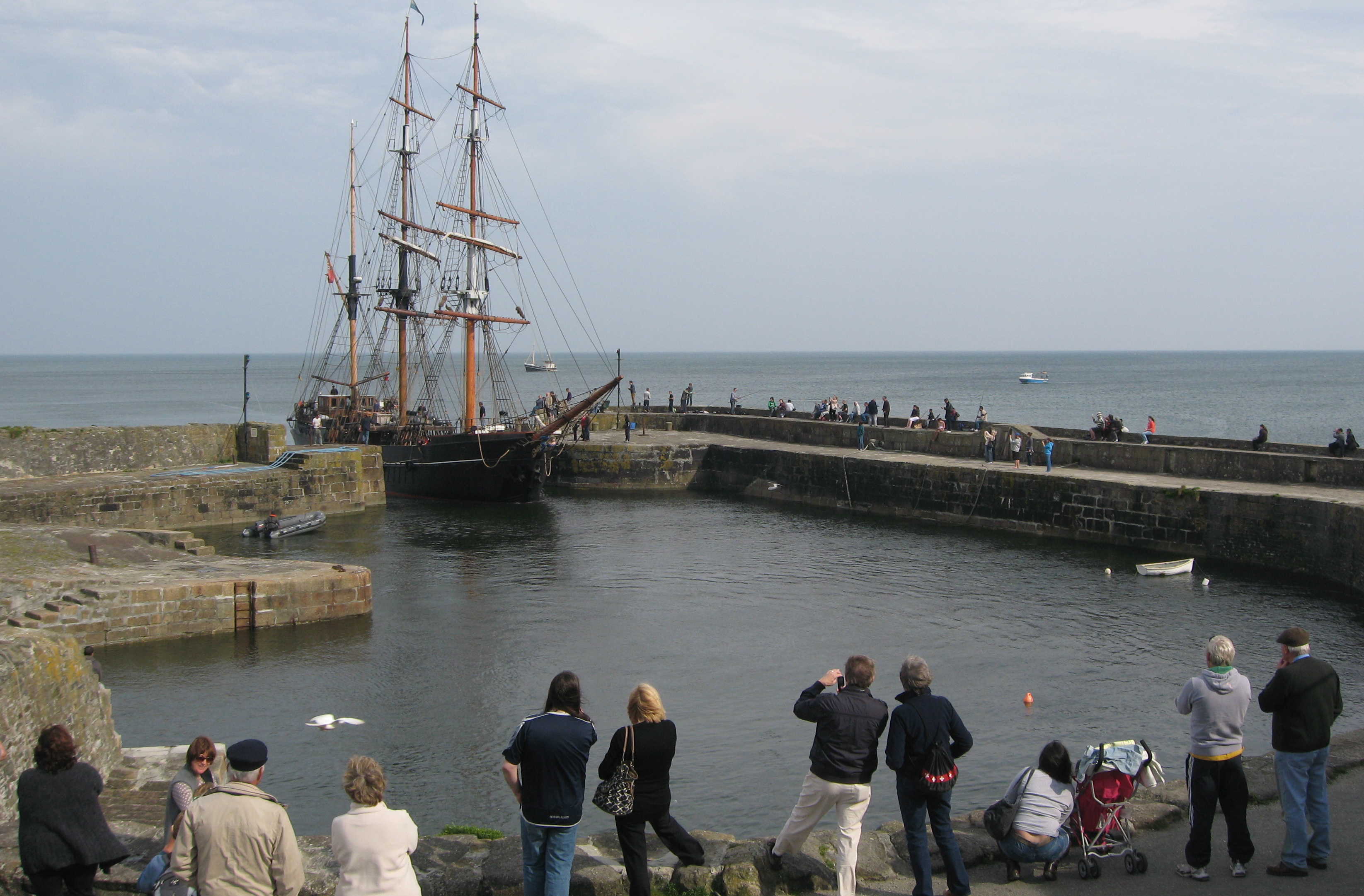
Holidaymakers in Charlestown, Cornwall.  There were kids swimming nearby. Photo by me.

Holiday makers in Charlestown, Cornwall. There were kids swimming nearby. Photo by me.

No matter.  A laundrette makes it all workable, and no one cares if you wear the same three outfits over and over.  Just pick what you love and what you are comfortable with.  It’s a snap.

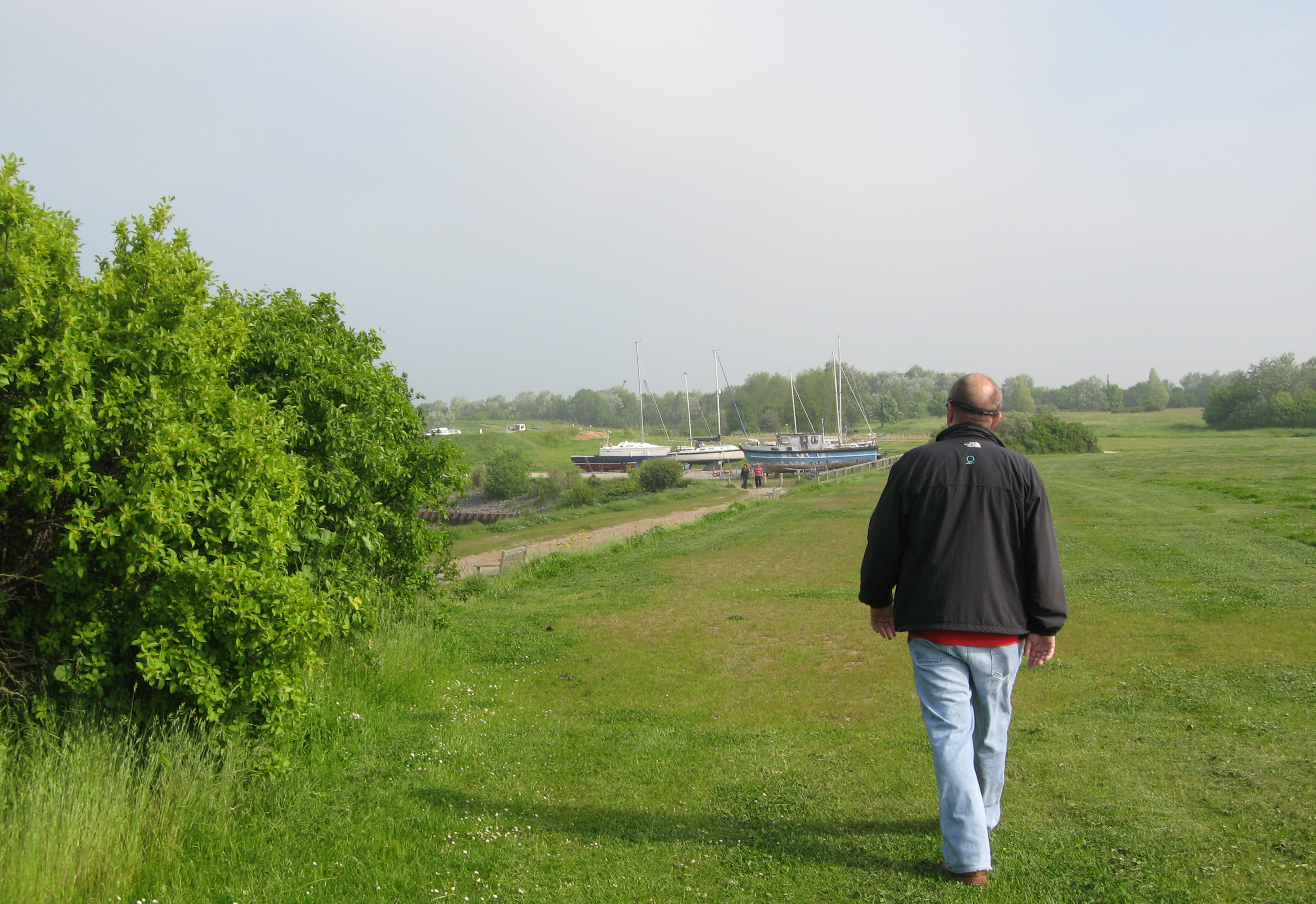
An early morning walk on a summers day in England. Photo by me.

An early morning walk on a summer’s day in England. Photo by me.

And then My Beloved Brit needs to bring all his sailing gear–boots, foul weather gear, thermals–which is a whole other story, and why we try to pack so light otherwise…

MBB dressed in many waterproof layers for sailing. Photo by me.

MBB dressed in many waterproof layers for sailing. Photo by me.


10 Downing Street and The White House

16 Tuesday Jul 2013

Posted by pat in History, London, Uncategorized

≈ Leave a Comment

Tags

10 Downing Street, Prime Minister, The White House, Washington DC

10 Downing Street has been the “locale” of British Prime Ministers since 1735, over 50 years before construction began on The White House.

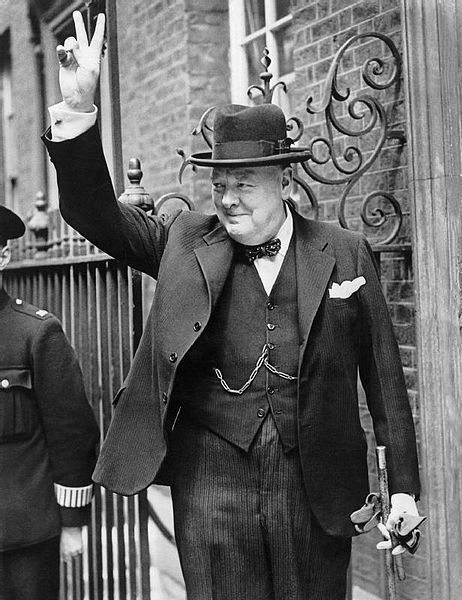
Winston Churchill emerges from 10 Downing Street flashing a V for Victory

Winston Churchill emerges from 10 Downing Street flashing a V for Victory


It’s instantly recognizable black door has shielded some of the most important decisions made in the last 275 years…the First and Second World Wars, the ending of The Empire, the building of the British nuclear bomb, handling the economic crisis of the Great Depression…just to name a few.

2010_Official_Downing_Street_pic

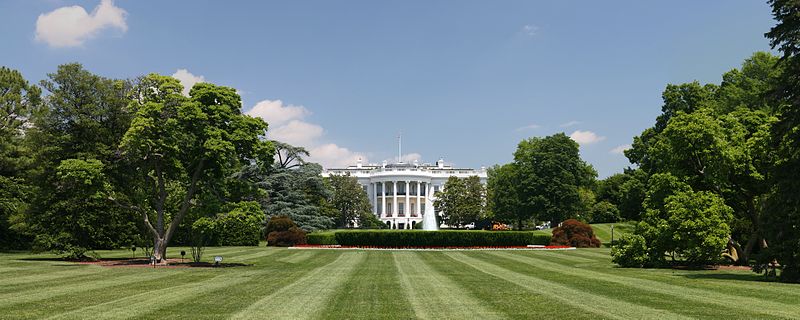
The White House, on the other hand, has only been on its current location since construction began in 1792, and was first occupied by President John Adams.  The total cost to build was $232,372, and until after the Civil War it was the largest house in the United States. (The British burned it August 24, 1814, during the War of 1812, but did not destroy it. We’ve forgiven them since then.)

The White House

The White House


Both 10 Downing Street and The White House are the official residences, and also house the offices of The Prime Minister and The President, respectively. Both also are used to host countless receptions for both national and overseas guests.

Prime Minister Winston Churchill along with Roosevelt's Joint Chiefs of Staff outside The White House May 24, 1943. Franklin D. Roosevelt Presidential Library

Prime Minister Winston Churchill along with Roosevelt’s Joint Chiefs of Staff outside The White House May 24, 1943. Franklin D. Roosevelt Presidential Library

The 55,000 square foot White House is 168 feet long by 85 feet wide (152 feet with its porticos), and is on 18 acres of land, with 132 rooms.

President and Mrs. Lyndon B. Johnson walk through White House Cross hall with guest of honor, Prime Minister Harold Wilson, June 1967

President and Mrs. Lyndon B. Johnson walk through White House Cross hall with guest of honor, Prime Minister Harold Wilson, June 1967


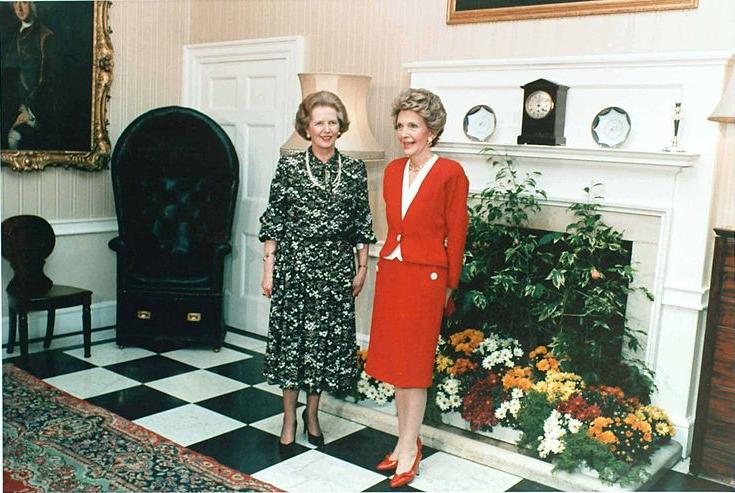
10 Downing Street is much bigger than it appears from outside. In the late 18th century, the house on Downing Street was joined to a more spacious and formidable building located behind it. And over the decades it has also taken over most of 11 and 12 Downing Street. It is hard to find out exactly how many square feet or how many rooms there might be, but everyone concurs that it is a labyrinth of hallways, reception rooms and office space. William Pitt the Younger, who last lived in the house in 1806, referred to it as “My vast, awkward house”.

Margaret Thatcher and Nancy Reagen in the recption area at 10 Downing Street

Margaret Thatcher and Nancy Reagan in the reception area at 10 Downing Street

The White House, of course, is white. 10 Downing Street is black. When it was refurbished in the early 60s, it was discovered it was not black at all, but that pollution had resulted in the black appearance over the yellow brick. To keep the familiar appearance, the newly cleaned yellow bricks were painted black to match their previous color.

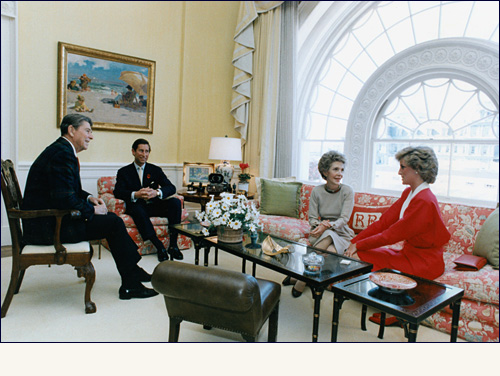
President Ronald Reagan and First Lady Nancy Reagan chat with Prince Charles and Princess Diana in the East sitting Hall, November 9, 1985. Ronald W. Reagan Presidential Library

President Ronald Reagan and First Lady Nancy Reagan chat with Prince Charles and Princess Diana in the East Sitting Hall, November 9, 1985. Ronald W. Reagan Presidential Library


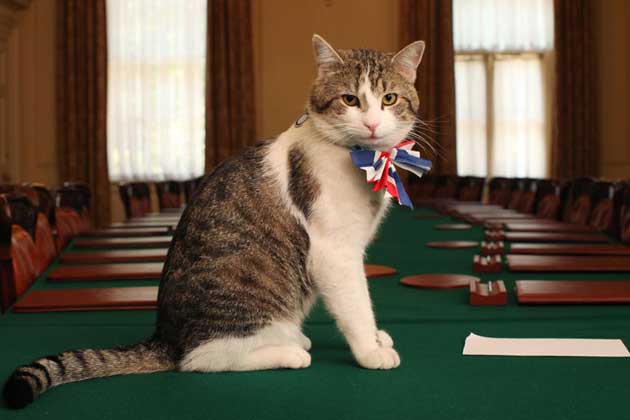
10 Downing Street’s Cabinet Office has its own official mouser, Larry the Cat. Larry was recruited from Battersea Dogs & Cats Home “on recommendation of his mousing skills”. On the 10 Downing Street website it is concluded that since joining the staff, he has made a significant impact.

Larry the Cat

Larry the Cat


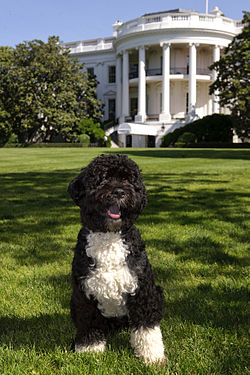
I wonder how he would get along with Beau…

250px-Bo_official_portrait

A Walk in Central Park

01 Monday Jul 2013

Posted by pat in Art, paintings, sketching, Uncategorized

≈ 2 Comments

Tags

Central Park, New York

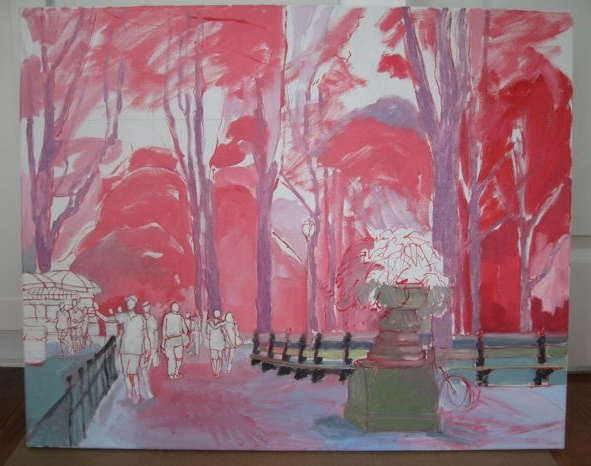
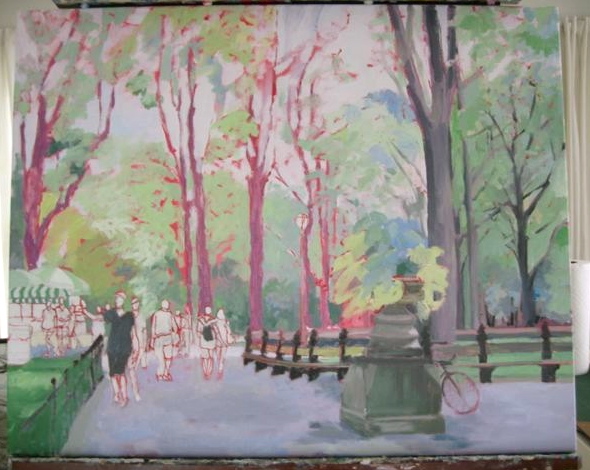
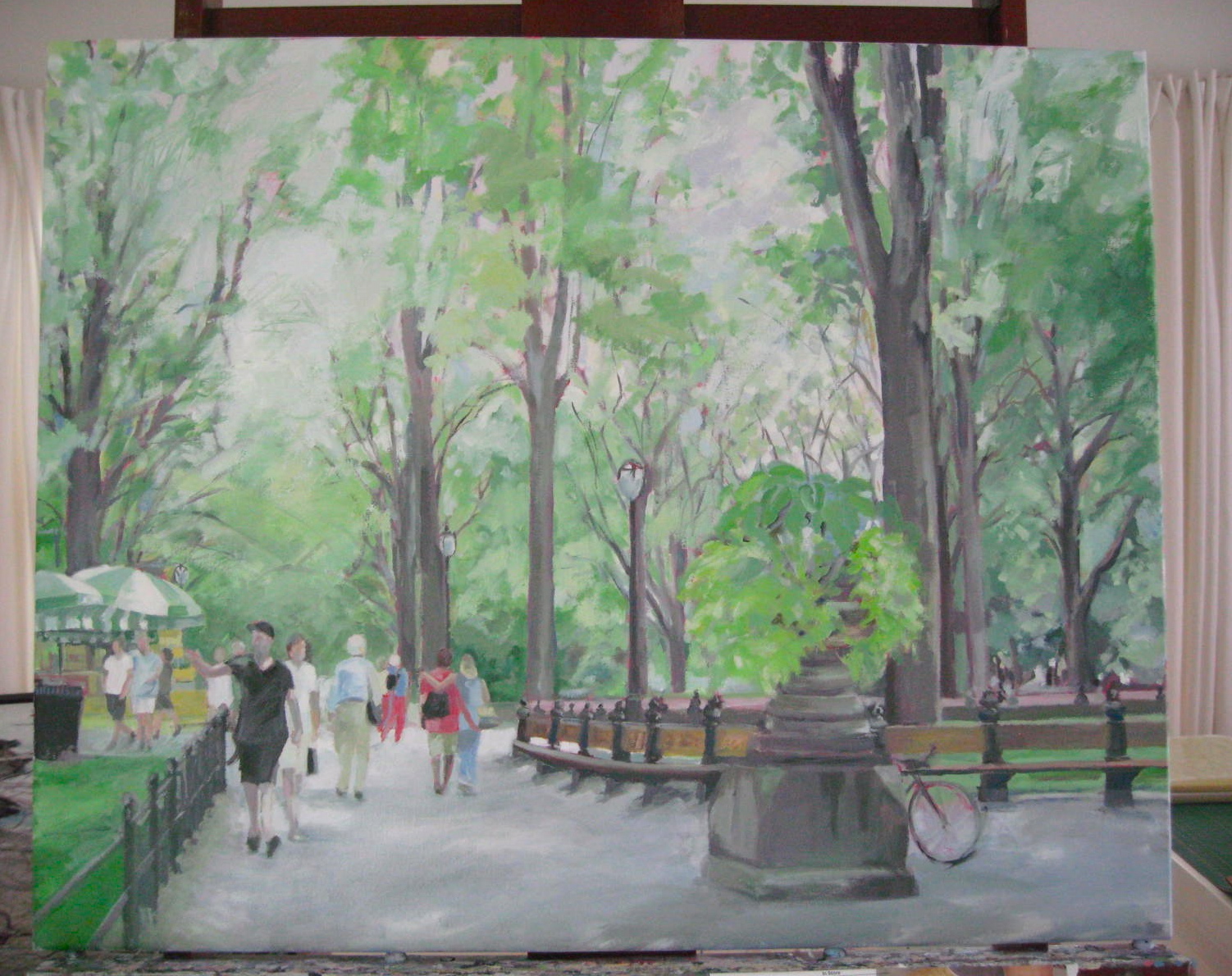
I finally finished “Summer Afternoon in Central Park”, another painting in my Cities Series. The 30 x 24 canvas went through many stages before I was finally satisfied with the results.

It started with a bright undertone of pinks and lavender.

A warm glow of pink under it all.

A warm glow of rose madder pigment under it all.

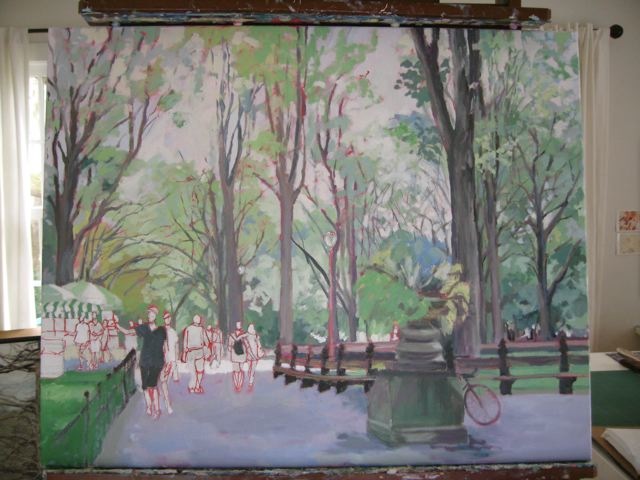
I slowly built up the cathedral-like canopy of the trees.  It was important for me to show the magnificent height of the huge, old trees without losing the city dwellers below. You enter this alley of trees and feel instantly at peace.  I love this part of the park. It is in the area called “The Mall” and the trees are incredible.

Image 2

The stone pedestal and plant in the foreground anchors the scene

The park is always busy, but somehow the trees and green space make it seem calm and renewing. The trees are American Elm trees, and are unbelievably magnificent. This is one of the the largest and last remaining stands of these trees in North America.

Image 3

I wanted to fill in the tree trunks without losing the delicacy

The sunlight coming through the branches almost makes it look like stained glass.

Image 4

More green

When you walk down the wide promenade, you focus on the sky.  I wanted the painting to make you look up even though all the activity is on the path.

Image 5

Central Park benches and lampposts are unique.

I love Central Park.  From the first moment I was allowed to go in to NYC by myself or with friends my age, I found my way to the park.  And then in my 40s, I had a small studio apartment right off the park on Central Park West, an easy escape into tranquility that I took full advantage of.

I think this picture captures that peace…

Finally

Finally, the painting is finished

London Bridges

26 Wednesday Jun 2013

Posted by pat in England, London, Uncategorized

≈ 1 Comment

Tags

Bridges in London London Bridge, Chelsea Bridge, Tower Bridge

The River Thames winds through London, and even on the dreariest day the bridges crossing from one bank to the other are beautiful and varied.  I love crossing from end to end, often traveling from one very different neighborhood to another.

Tower Bridge
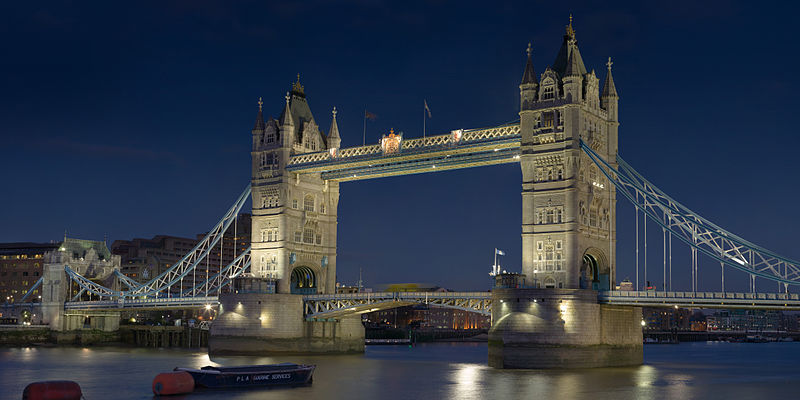
Tower Bridge. Photo: Photo by DAVID ILIFF. License: CC-BY-SA 3.0

Tower Bridge. Photo: Photo by DAVID ILIFF. License: CC-BY-SA 3.0

Tower Bridge is relatively young by London Bridge standards.  It was opened in June 1894 after years of discussion and eight years of construction. Tower Bridge is a combined bascule bridge (the word means see-saw or rocker in French) and suspension bridge.
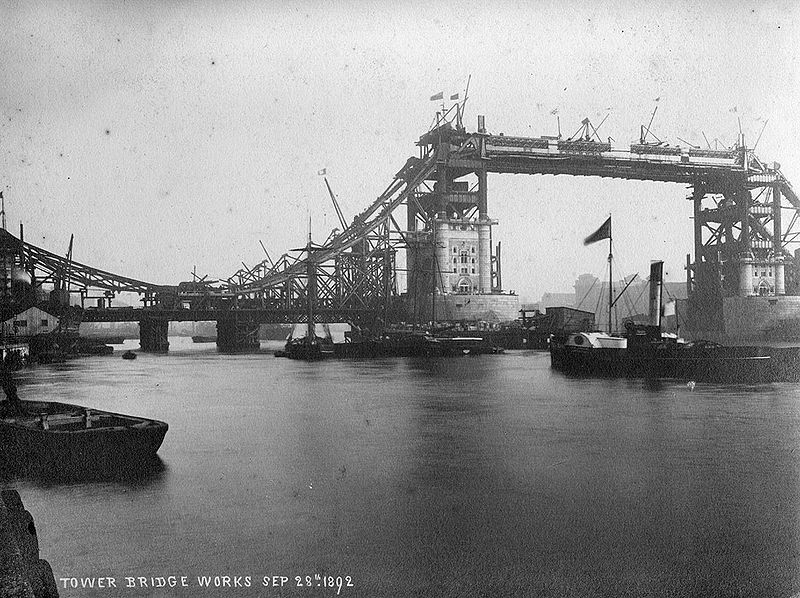
View of Tower Bridge construction works, September 28th, 1892. Photo is in public domain.

View of Tower Bridge construction works, September 28th, 1892. Photo is in public domain.

This allows it to be raised quickly for passing ships. Visitors can walk across the high walkways and enjoy spectacular views of London, and it is close to The Tower of London, from which it takes its name.
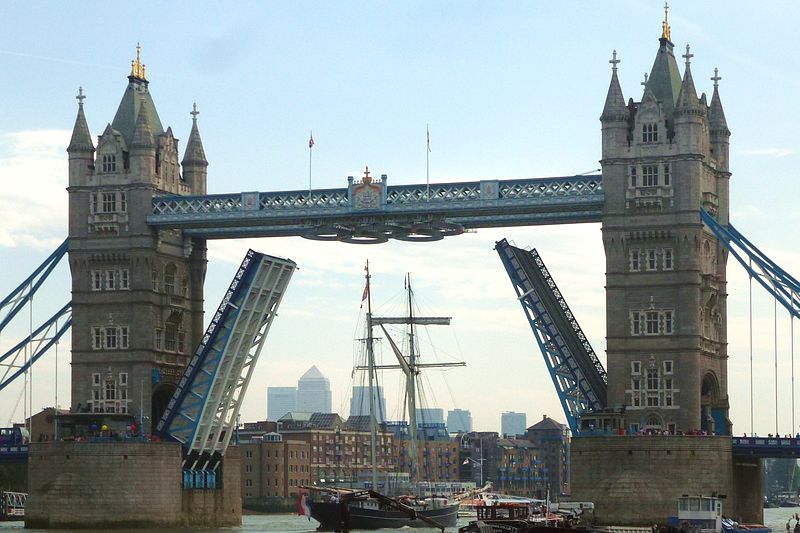
A tall ship passing under Tower Bridge decorated for the London Olympics in August 2012. Photo by Cmglee

A tall ship passing under Tower Bridge decorated for the London Olympics in August 2012. Photo by Cmglee

The bridge’s current color scheme of red white and blue dates from 1977 in honor of Queen Elizabeth II’s silver jubilee. Originally it was painted a greenish-blue color.

London Bridge

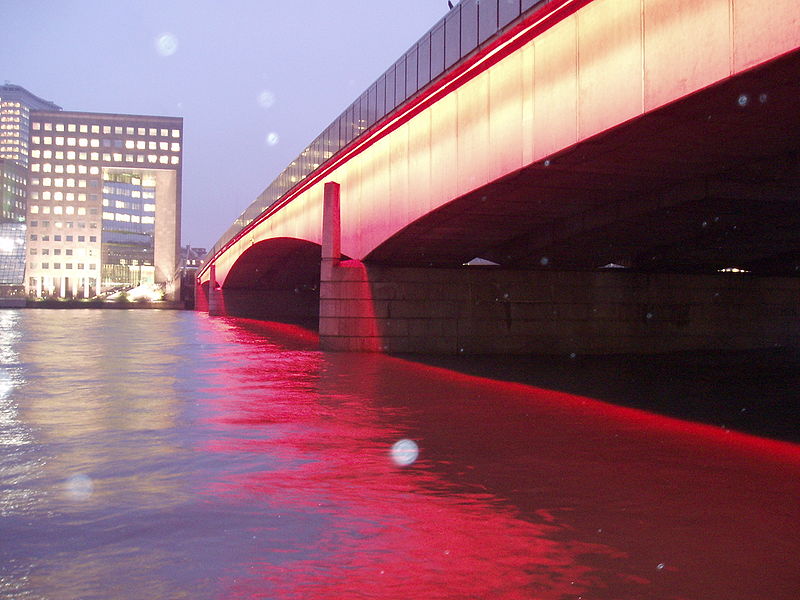
The London Bridge, in one form or another, has existed on this spot for over 2000 years. The Romans were the first to put one up when they first came to London in 46 AD. Originally built of wood, the bridge was prone to falling down from fires, storms or invading armies.  Thus the nursery song.
London Bridge, photo by Peter Burgess

London Bridge, photo by Peter Burgess

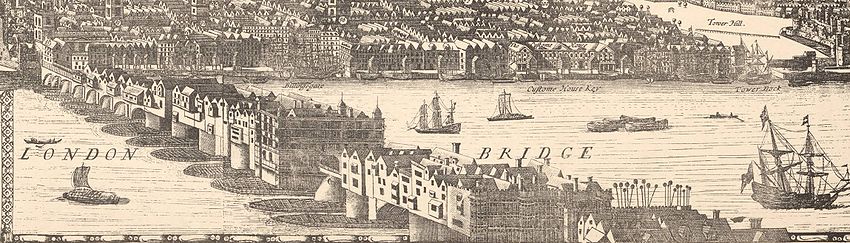
The first stone bridge was constructed in 1209 when King John was on the throne, and he permitted houses and shops to be placed on the span which took 33 years to build. There was a drawbridge to allow ships traffic to pass, and gates at either end.
Drawing of London Bridge from 1682 London Map.

Drawing of London Bridge from 1682 London Map.

It lasted until 1831, and was replaced with a bridge that had foundation problems. The current London Bridge was opened by Queen Elizabeth II in 1973 and both vehicles and pedestrians now use the bridge.

Cannon Street Rail Bridge

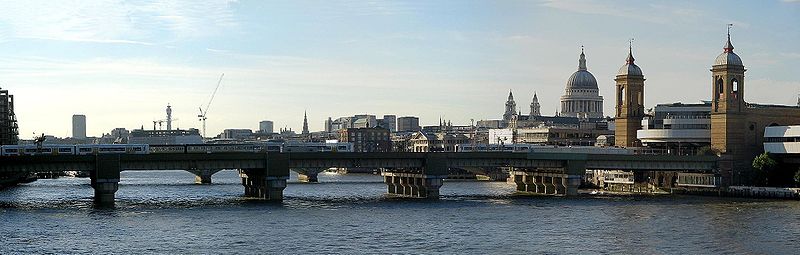
Originally called the Alexandria Bridge after the wife of King Edward VII when it was opened in 1866, the Cannon Street Station Bridge has taken on the name of the terminal station of the National Rail at the end of the bridge.
Cannon Street railway bridge. Photo taken by Will Fox 2005.

Cannon Street railway bridge. Photo taken by Will Fox 2005.

Southwark Bridge

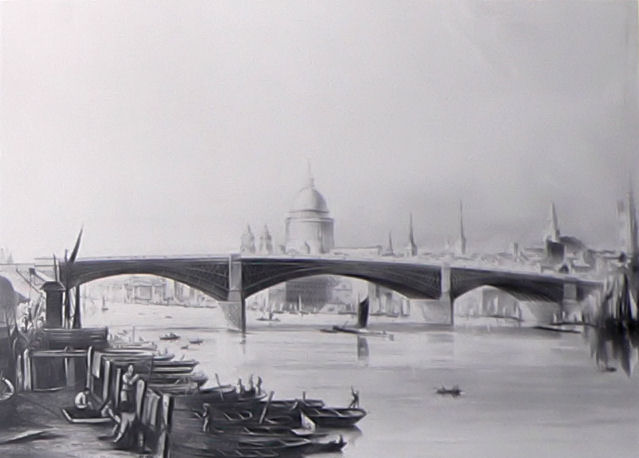
Originally known as the Queen Street Bridge or “Iron Bridge”, it opened in 1819. It was demolished in 1913.
Southwark Iron Bridge. Wikimedia Commons.

Southwark Iron Bridge. Wikimedia Commons.

The new arch bridge opened in 1921, having been delayed by WWI, linking Southwark and the city across the Rivers Thames.
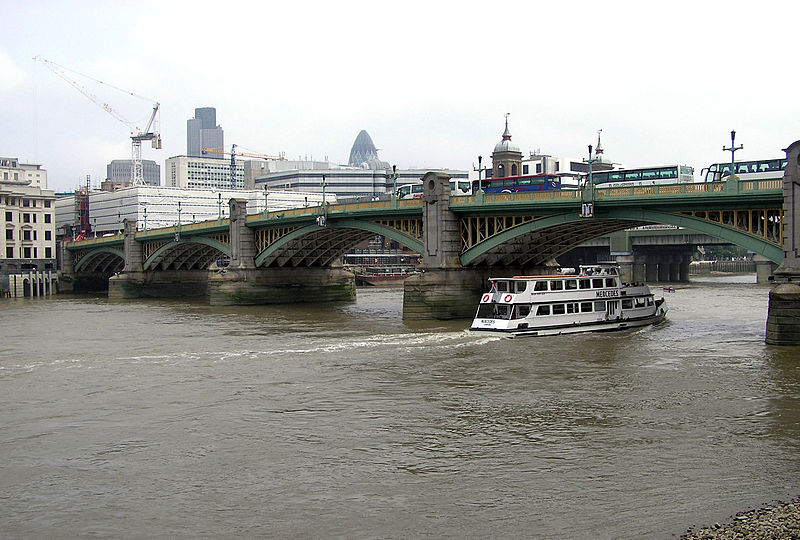
Southwark Bridge from the south bank of the Thames.  Photo: released to public domain by Arpingstone.

Southwark Bridge from the south bank of the Thames. Photo: released to public domain by Arpingstone.

In the past, watermen would transport people from one side of the river to the other, and the stone steps to the water under the south side are still visible. It has the reputation for being the least used bridge in central London. The south end is near the Tate Modern.

Millennium Bridge

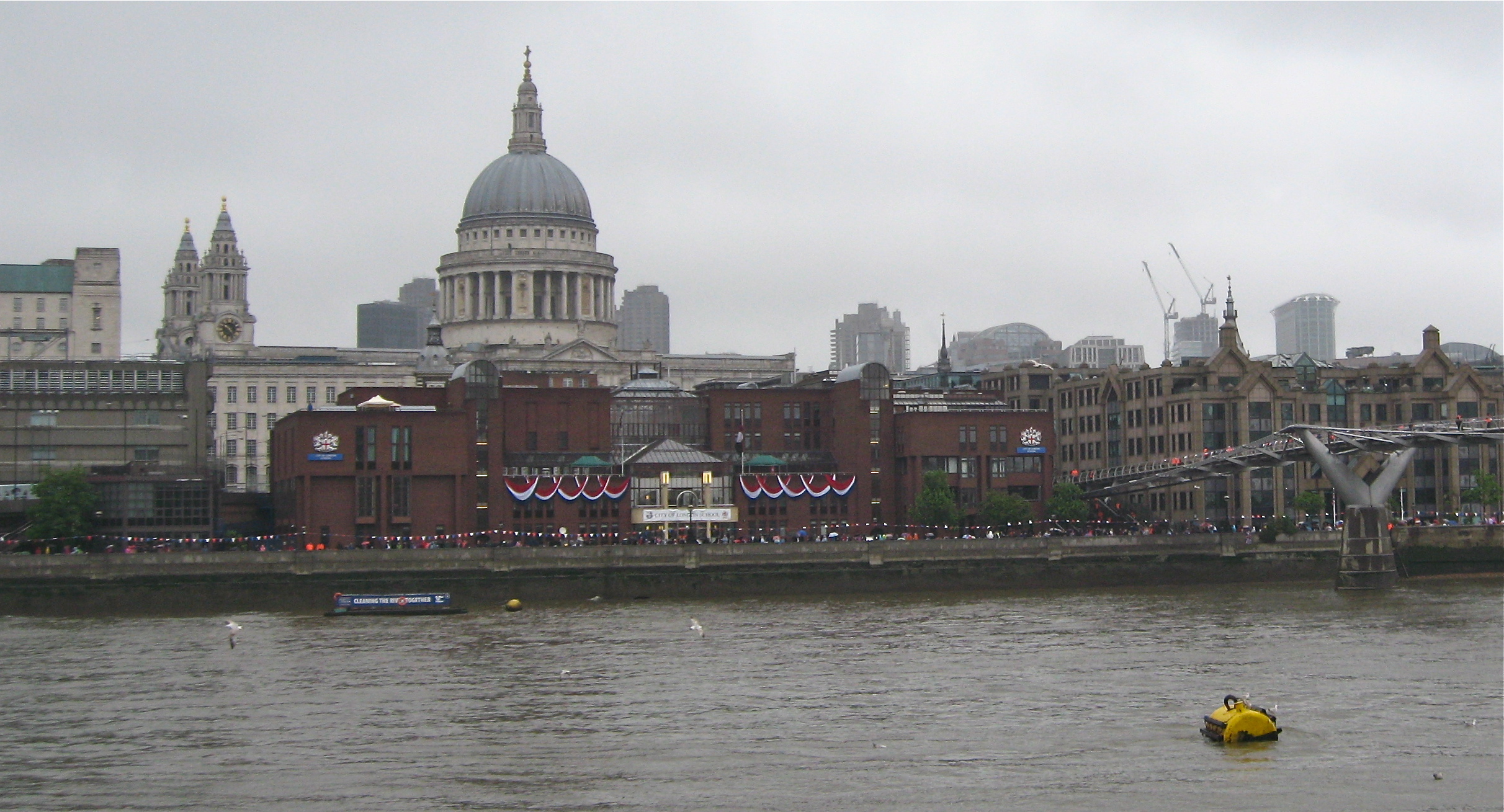
I love the Millennium Bridge–a pedestrian-only bridge that crosses over the river from St. Paul’s Cathedral to The Tate Modern Art Museum on Bank Side.
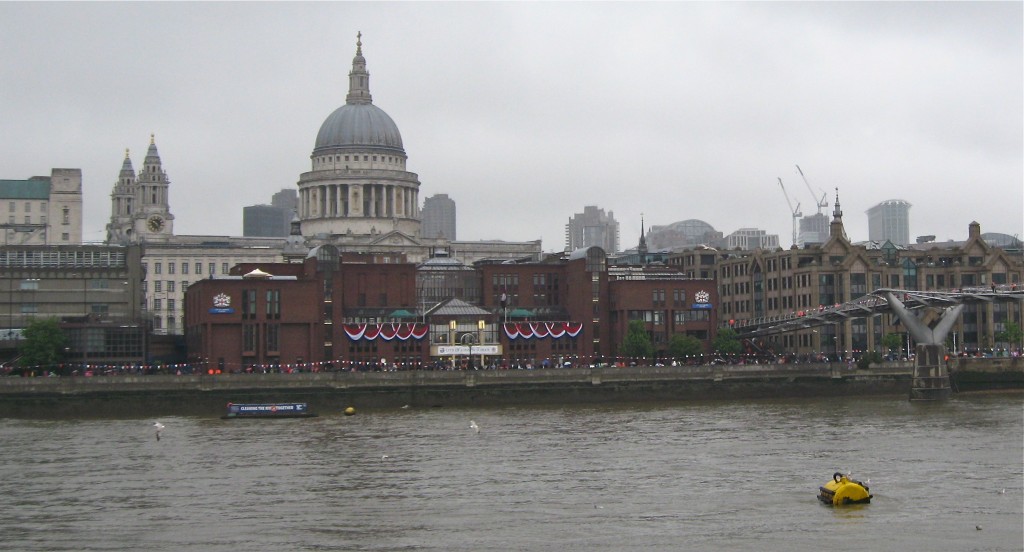
The Millennium Bridge on a grey English morning. Photo by me.

The Millennium Bridge on the right and St. Paul’s cathedral in the center on a grey English morning. Photo by me.

It opened in 2000, but closed a few days later.  There was a problem with a wobble, not something you want when crossing a river on foot. They had not counted on the effect of the many people walking across at the same time.
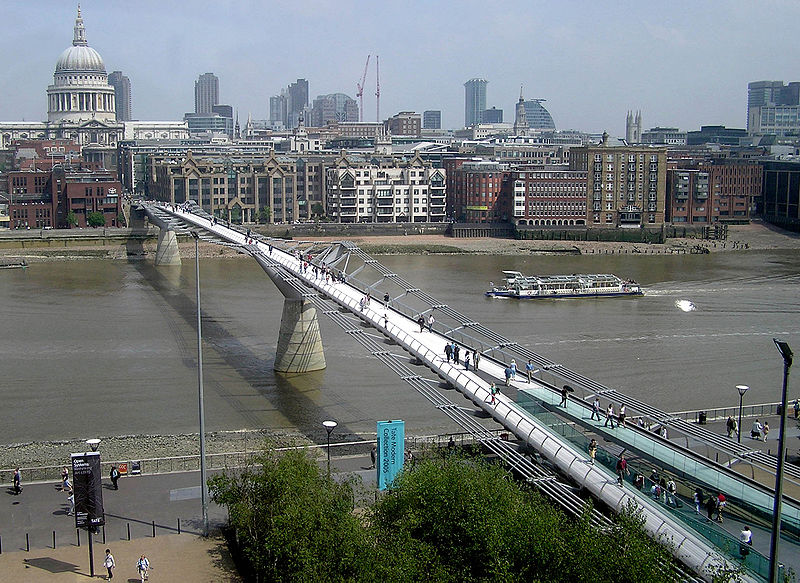
The Millennium Bridge from the Tate Modern. Wikimedia Commons

The Millennium Bridge from the Tate Modern. Wikimedia Commons

A few million pounds, and a couple of years later and it re-opened.  No wobble at all.  The Southern end of the bridge is near the Globe Theatre, the Bankside Gallery (home to the Royal Watercolour Society and the Royal Society of Painter Printmakers. and Tate Modern.

Blackfriars Rail Bridge

The new bridge which opened in 1864 replaced  a less strong bridge that had opened in 1864.
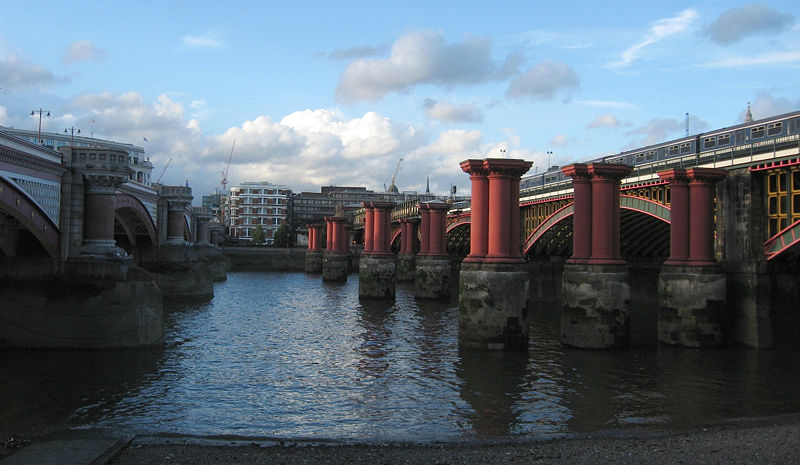
View from South Bank between Blackfriars and Blackfriars Railway bridges, showing train. Photo by Alethe, Creative Commons

View from South Bank between Blackfriars and Blackfriars Railway bridges, showing train. Photo by Alethe, Creative Commons

The new bridge could handle the “modern” trains.  It is named for Blackfriars’ Station.

Blackfriars Bridge

Blackfriars was named for a 13th century Dominican Monastery that had provided the name for that section of London near Ludgate Hill, and is both a vehicle and pedestrian bridge.
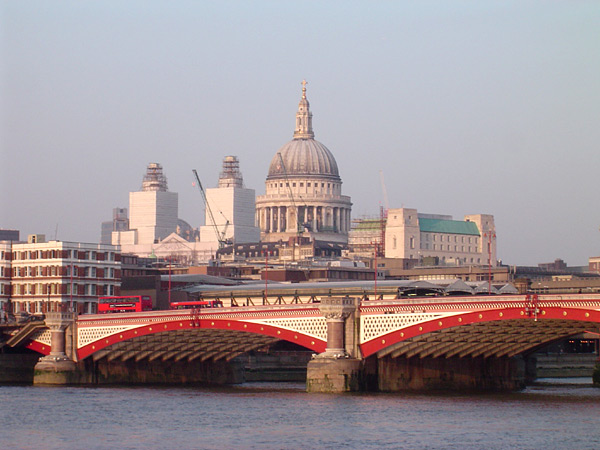
Blackfriars Bridge, London, with St. Pauls Cathedral behind. Photo Wikimedia Commons

Blackfriars Bridge, London, with St. Paul’s Cathedral behind. Photo Wikimedia Commons

The first bridge at this spot was opened in 1769 as a toll bridge, and was replaced by the current bridge which was opened by Queen Victoria in 1869.

Waterloo Bridge

This bridge leads to the South Bank where you will find the Royal Festival Hall, Waterloo Station and the Royal National Theater.  You can walk this one, or ride across.

Waterloo Bridge, London.Photo: Colin, Wikimedia Commons

Waterloo Bridge, London.Photo: Colin, Wikimedia Commons

The first bridge on this site opened in 1817 as a toll bridge and is named for the Napoleonic War’s Battle of Waterloo. The current bridge was completed in 1945.
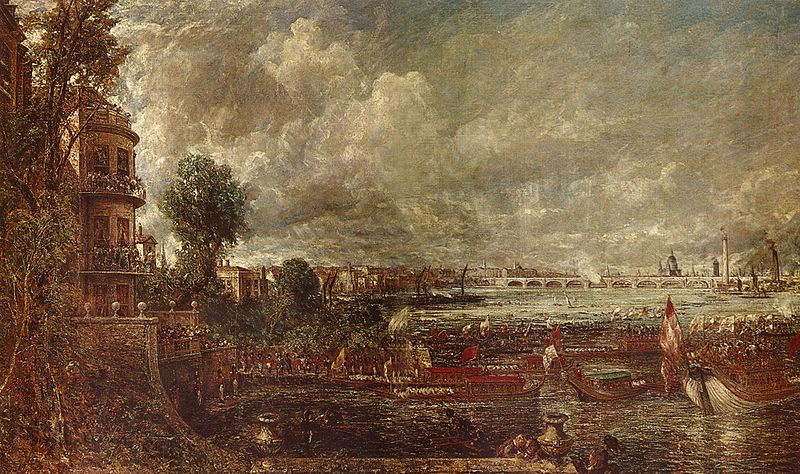
John Constable, View of the old Waterloo Bridge from Whitehall stairs, 1817.
John Constable, View of the old Waterloo Bridge from Whitehall stairs, 1817.

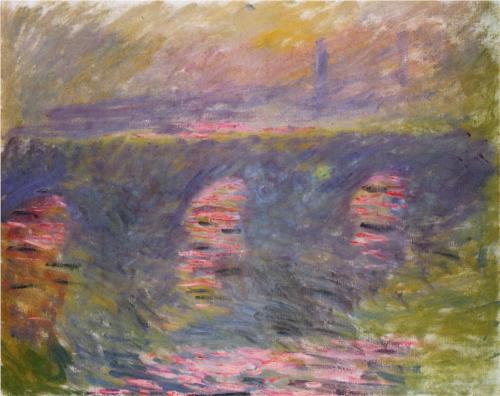
Waterloo Bridge, Claude Monet 1899

Waterloo Bridge, Claude Monet 1899


Hungerford Bridge/Golden Jubilee Bridge

A railway bridge, sometimes known as the Charing Cross Bridge.
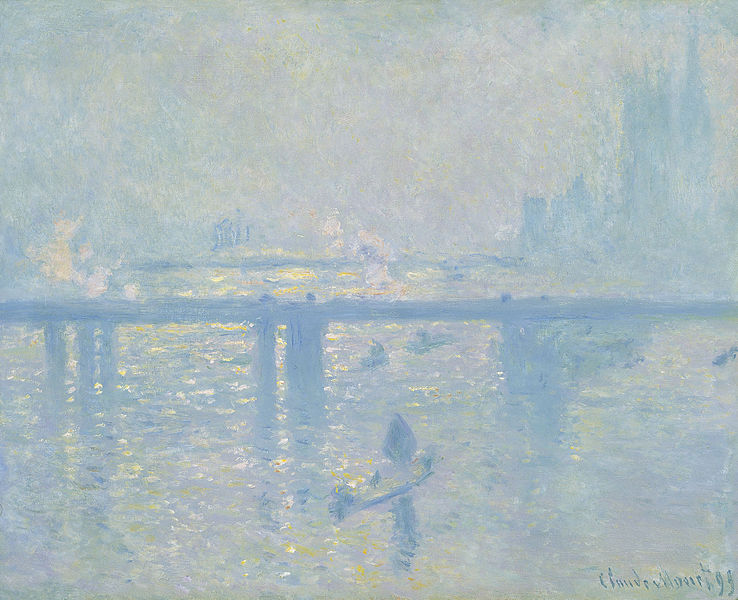
Charing cross Bridge, Claude Monet

Charing Cross Bridge, Claude Monet

The bridge is now a vehicle bridge bordered by two pedestrian walkways. The first bridge on this site was a suspension foot bridge in 1845.

Hungerford Bridge from the London Eye. Creative Commons

Hungerford Bridge from the London Eye. Creative Commons

Less than 20 years later it was replaced to accommodate the railroad.

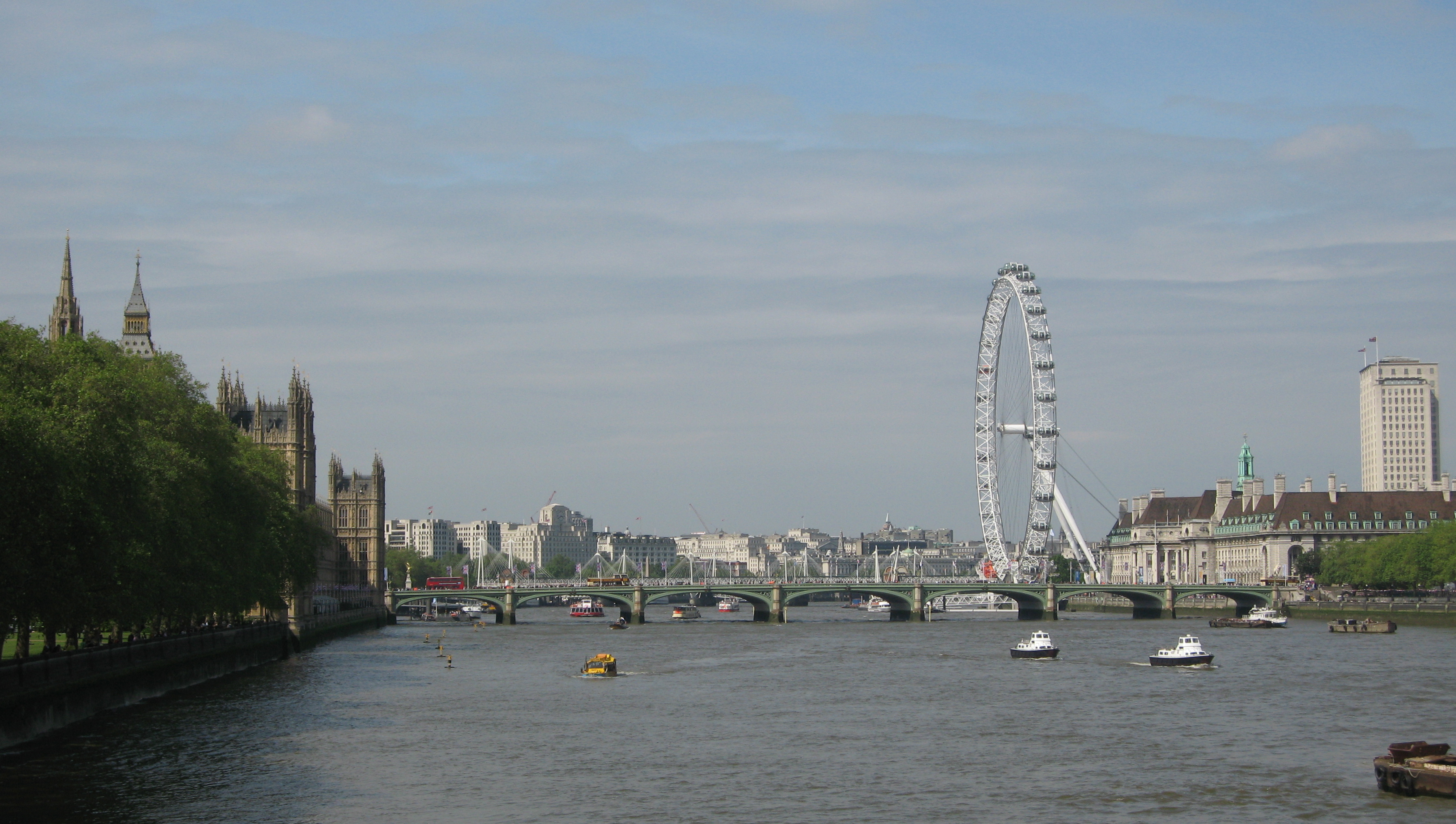
Westminster Bridge

Made of wrought iron, the current bridge opened in 1862 and is London’s oldest bridge, connecting Westminster and Lambeth.
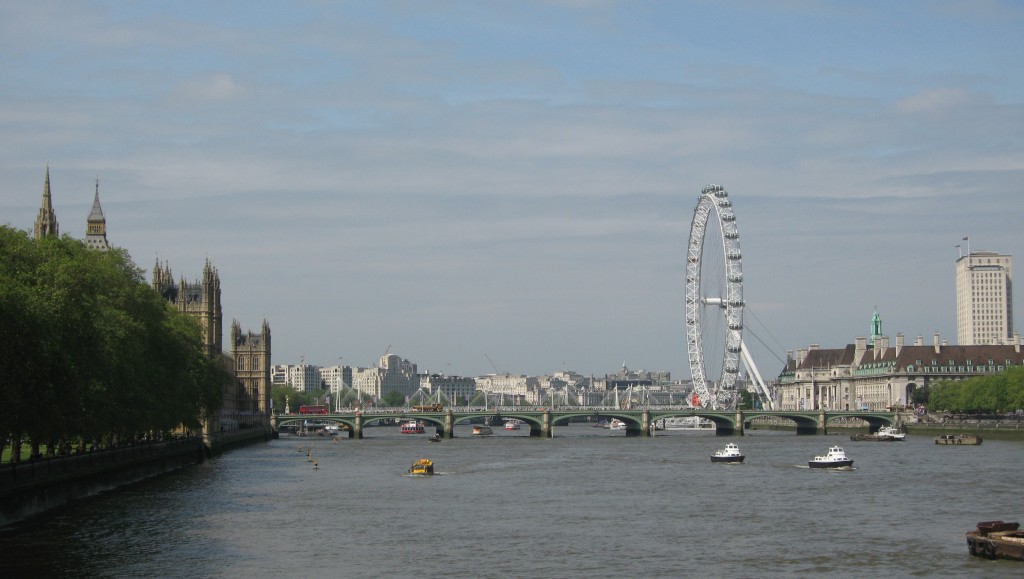
Westminster Bridge. Photo by me.

Westminster Bridge. Photo by me.

The Gothic Detail reflects the nearby Houses of Parliament and can handle both vehicles and pedestrians. The bridge is painted predominantly green, the same color as the leather seats in the House of Commons which is on the side of the Palace of the Westminster nearest the bridge.

Lambeth Bridge

The next bridge is painted predominantly red for the House of Lords, in fair play since the Westminster is green for the House of Commons.
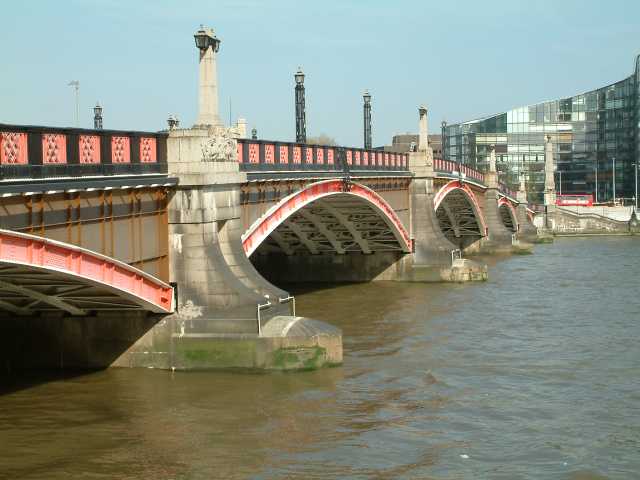
Lambeth Bridge, London. Wikimedia Commons.

Lambeth Bridge, London. Wikimedia Commons.

The vehicle and pedestrian bridge was opened in 1932 by King George V. The bridge was used for the 2004 film Harry Potter and the Prisoner of Azkaban for a scene where the Knight Bus must pass between two Leyland Titans.

Vauxhall Bridge

The original bridge was built on the site of a former ferry between 1809 and 1816, and was the first iron bridge over the Thames.
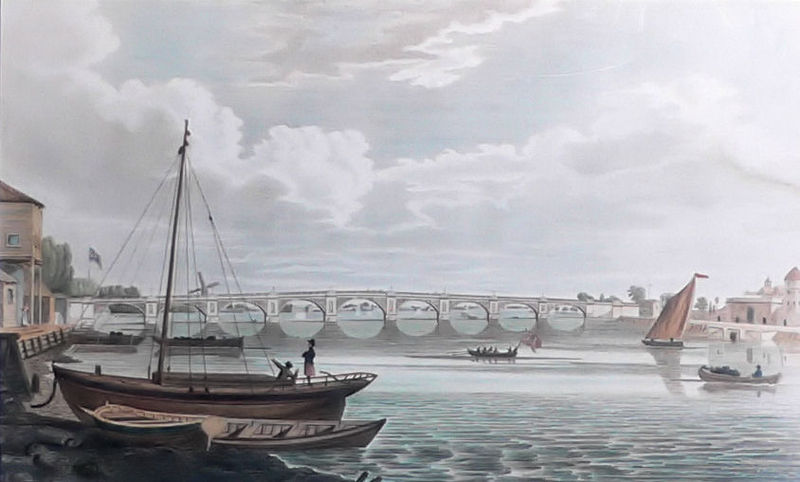
A view of James Walker's Regent's Bridge of 1816. Artist Unknown.

A view of James Walker’s Regent’s Bridge of 1816. Artist Unknown.

The current bridge, originally known as Regent Bridge, was opened in 1906, and now connects Vauxhall on the south bank and Pimlico on the north bank. The bridge carried electric trams until service ended in 1951.
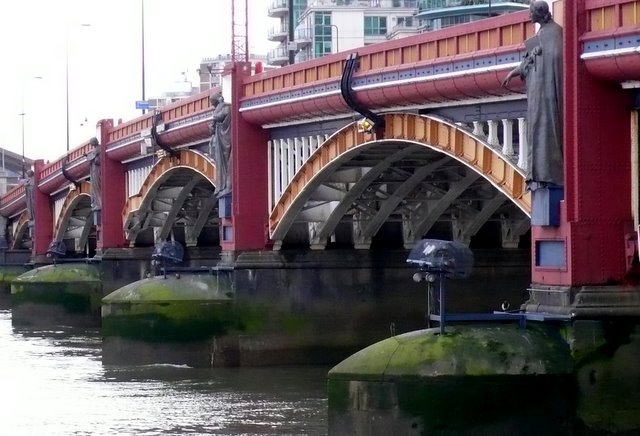
Vauxhall Bridge, London. View of the downstream side (NE) of the bridge from Millbank on the north bank of the Thames River.Photo Nigel Mykura

Vauxhall Bridge, London. View of the downstream side (NE) of the bridge from Millbank on the north bank of the Thames River.Photo Nigel Mykura

Grosvenor Bridge

Originally known as Victoria Railway Bridge, Grosvenor Bridge is an arched railway bridge  originally constructed in 1860.  The bridge was rebuilt and widened again in the 1960s.
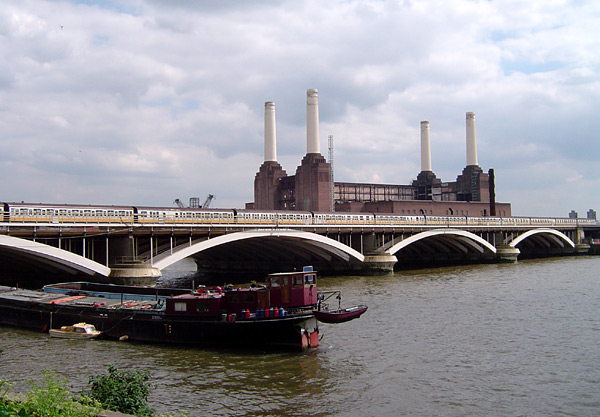
Grosvenor Bridge. Photo: ChrisO Wikimedia Commons

Grosvenor Bridge. Photo: ChrisO Wikimedia Commons

It was the first railway bridge across the Thames in central London, and carries trains into Victoria Station. On the South Bank is Nine Elms to the east and Battersea to the west.

Chelsea Bridge

Chelsea Bridge in west London connects Chelsea on the north bank to Battersea on the south bank.
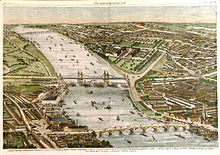
Vauxhall Bridge, Victoria (now Chelsea) Bridge and Battersea Bridge, London 1859

Vauxhall Bridge, Victoria (now Chelsea) Bridge and Battersea Bridge, London 1859

There was a natural ford on the site, a shallow crossing of the Thames where you were able to cross by wading or in a vehicle.


The first Chelsea Bridge did not open until 1857, and was built to provide convenient access to the new Battersea Park. The suspension Bridge was narrow and structurally unsound. Between 1934 and 1937 it was demolished  and replaced by its current structure, the first self-anchored suspension bridge in Britain.
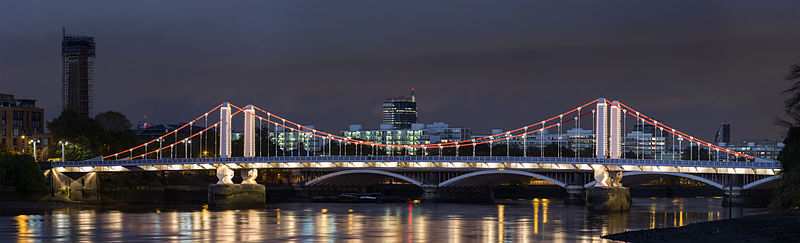
800px-Chelsea_Bridge,_London_-_Oct_2012

Panoramic view of Chelsea Bridge at night in London. Photo: David Diliff. License: CC-by-SA 3.0

The bridge is floodlit from below during the hours of darkness.  The towers and cables are illuminated by 936 feet of light-emitting diodes. In 2004 a smaller bridge perpendicular to the main bridge Battersea Footbridge was opened beneath the southern span.

Who would have thought bridges could have such rich histories…only in London.
A June Day in St. James’s

10 Monday Jun 2013

Posted by pat in Uncategorized

≈ Leave a Comment

Tags

St. James's Park

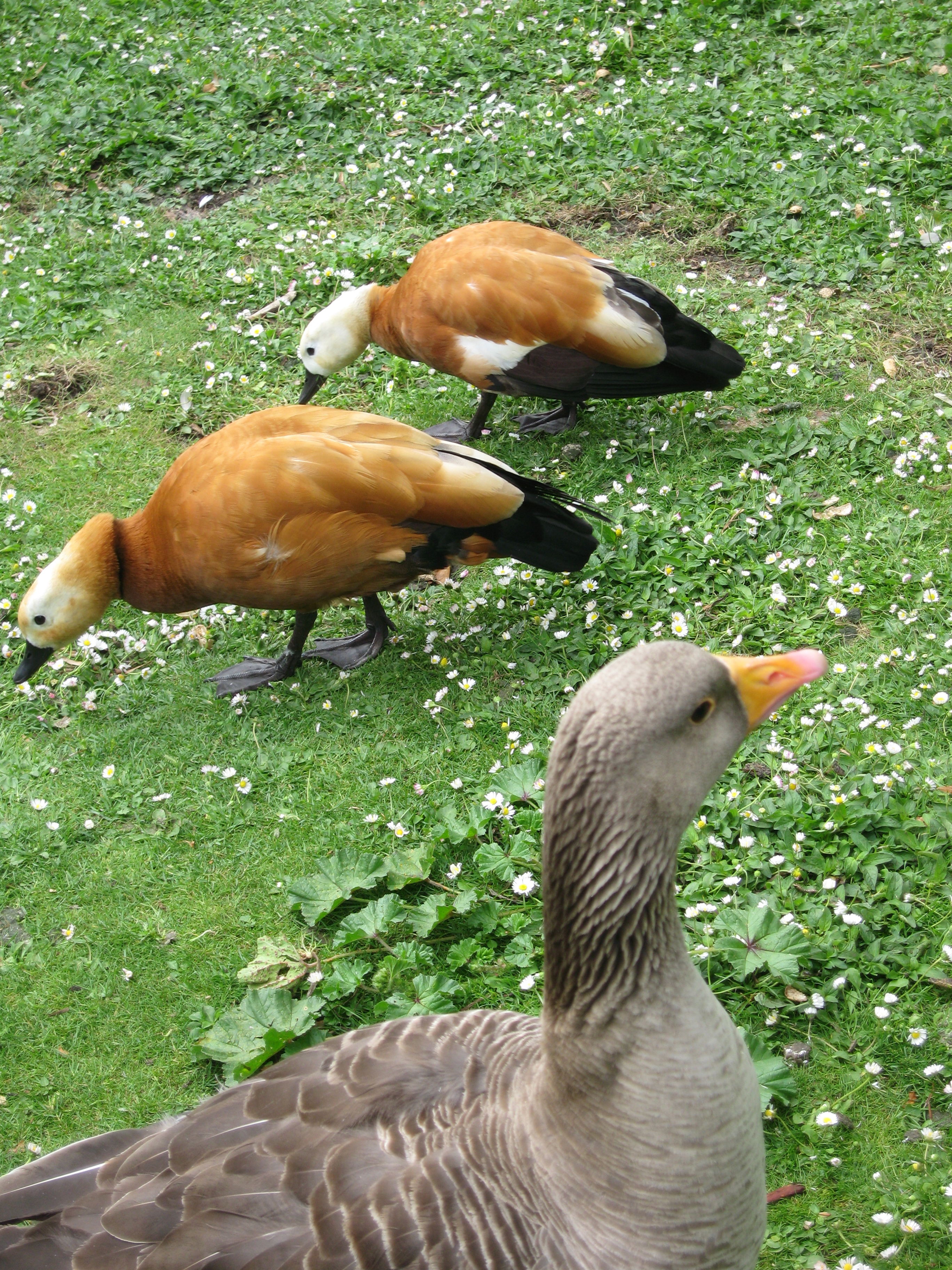
It has been a long time coming this year, but summer is finally here.  Even England is slowly getting warm.  In honor of the occasion, I thought I’d share with you an image I took in London last June of some very happy residents of St. James’s Park. Happy summer to all.

Photo by me.

Photo by me.

Study of a Queen

04 Tuesday Jun 2013

Posted by pat in Art, Art Museums & Exhibitions, History, paintings, sketching, The Royal Family, Uncategorized

≈ Leave a Comment

Tags

Annigoni, Portrait, Queen Elizabeth II, The National Portrait Gallery

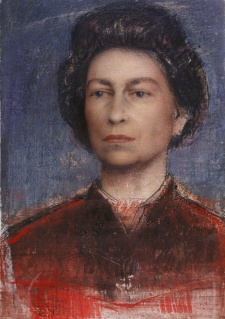
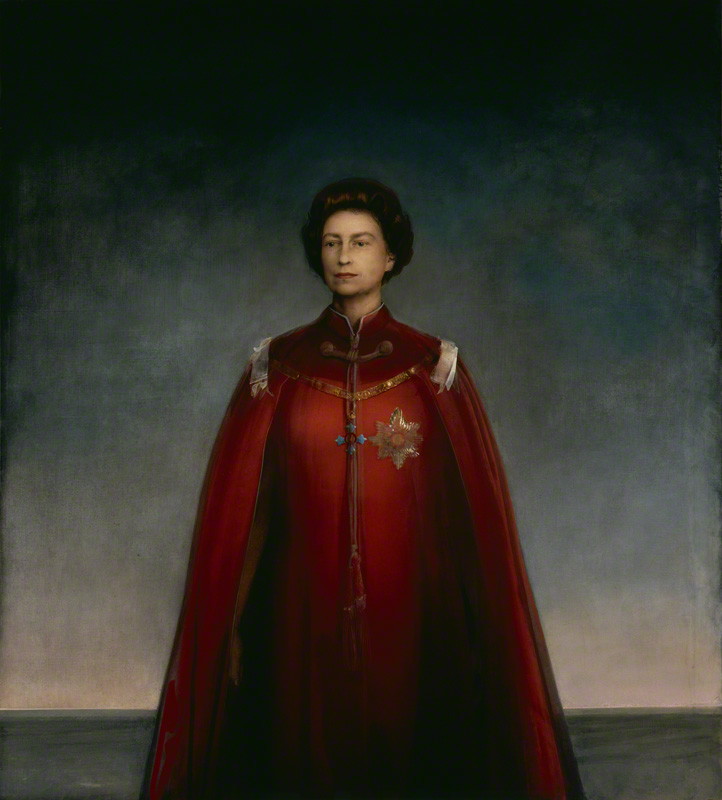
With the celebration of the Queen’s 60th Anniversary of her coronation this week, there is an opportunity to see some amazing portraits circulating. One that caught my attention is  Study for the portrait ‘Her Majesty in Robes of the British Empire’  by Pietro Annigoni in 1969.

© Royal Collection Trust/ © Her Majesty Queen Elizabeth II 2012.

© Royal Collection Trust/ © Her Majesty Queen Elizabeth II 2012.


The study, done in oil distemper and pastel and measuring  more than life-size at about 16 x 24″, was commissioned by the Trustees of the National Portrait Gallery. The Queen is wearing the red cloak of the British Empire.

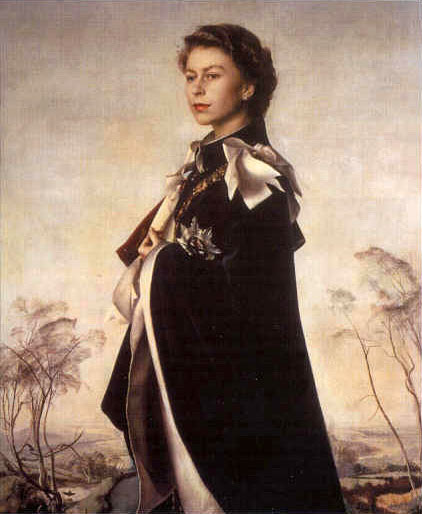
Fifteen years earlier, Annigoni had painted the young Queen for the Worshipful Company of Fishmongers, in a romantic rendering of her wrapped in the dark blue cloak of the Order of the Garter.

HM Queen Elizabeth II by Pietro Annigoni, 1955

HM Queen Elizabeth II by Pietro Annigoni, 1955


What I love about the study for the second portrait in red, is how the artist seems to have captured her strength and…well… her majesty so effortlessly. His concentration in the sketch is totally on her face.

For the 1969 portrait Annigoni was granted 18 sitting over a period of eight months.  The result of his first 8 sittings was this study in oil and pastel of the head and shoulders of Her Majesty against a dark night sky.

The final portrait can be seen at the National Portrait Gallery in London.
Queen Elizabeth II by Pietro Annigoni, tempera grassa on paper panel, 1969, 78 x 70 inches, © National Portrait Gallery, London

Queen Elizabeth II by Pietro Annigoni, tempera grassa on paper panel, 1969, 78 x 70 inches, © National Portrait Gallery, London


Thatched Cottages

30 Thursday May 2013

Posted by pat in England, History, paintings, Uncategorized

≈ 1 Comment

Tags

building, craftsmen, English cottages, thatched roofs

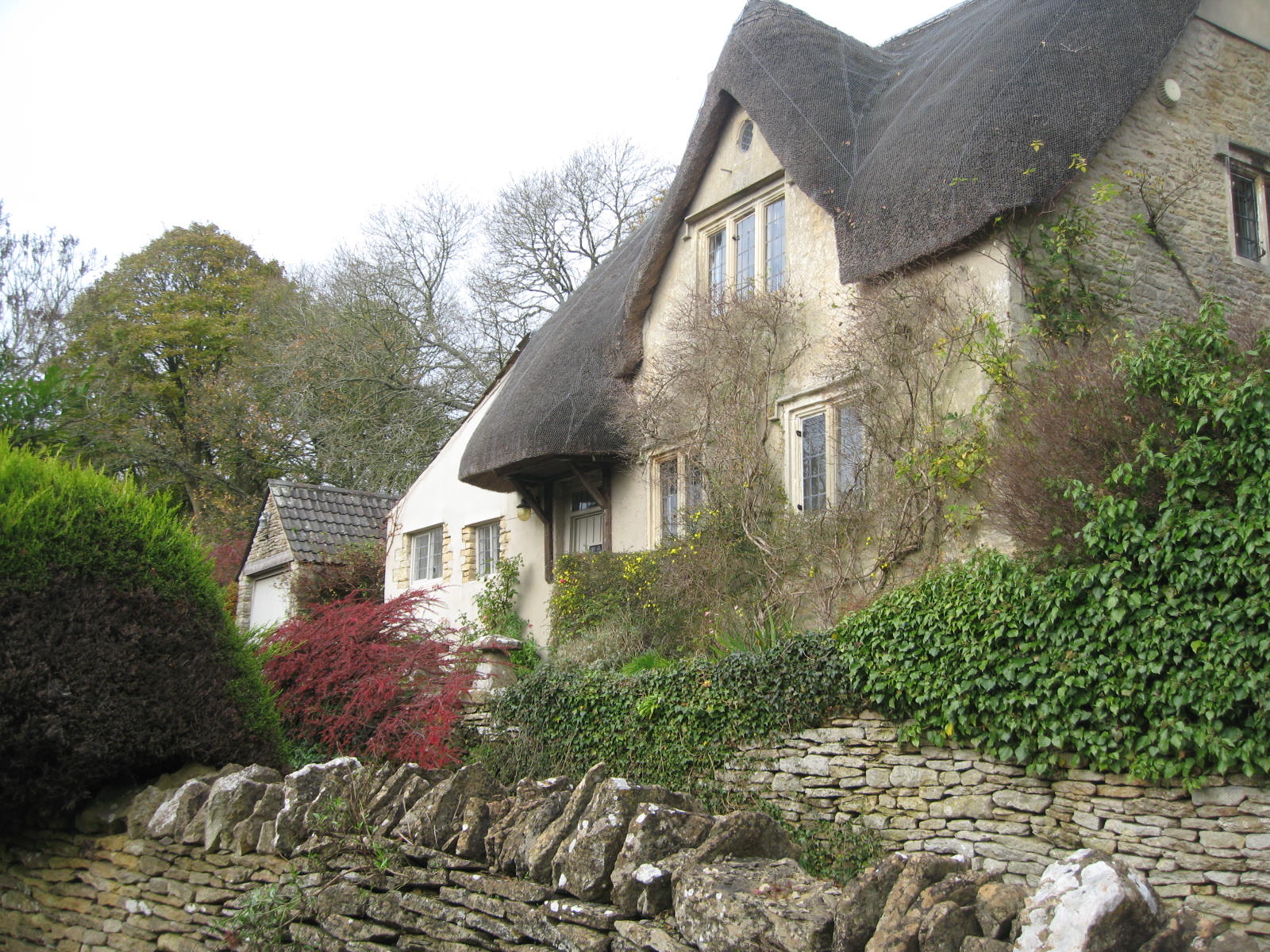
A picture of a traditionally built English cottage from an American point of view may include a thatched roof.  What could be more like a fairy tale than that.

A thatched Cottage walking in to Castle Combe in the Cotswolds. Photo by me

A thatched Cottage walking in to Castle Combe in the Cotswolds. Photo by me

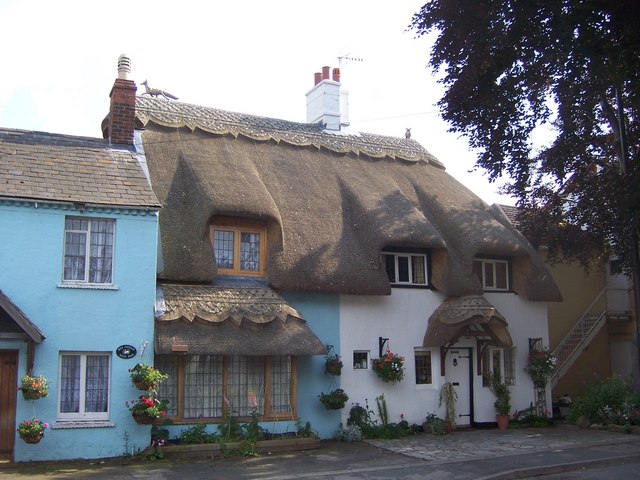
Generally, you see a lot more of the slate shingles on older cottages today in England, but a thatched roof is a real treat.

Thatched Cottages, Wyre Piddle. Photo by Terry Robinson, Creative Commons

Thatched Cottages, Wyre Piddle. Photo by Terry Robinson, Creative Commons

Thatching is the traditional craft of building a roof with dry vegetation such as straw.  The bundles of straw are thickly layered to shed water away from the inner roof. Thatch was used by the majority of homeowners in the countryside and in many towns and villages until the late 1800s.

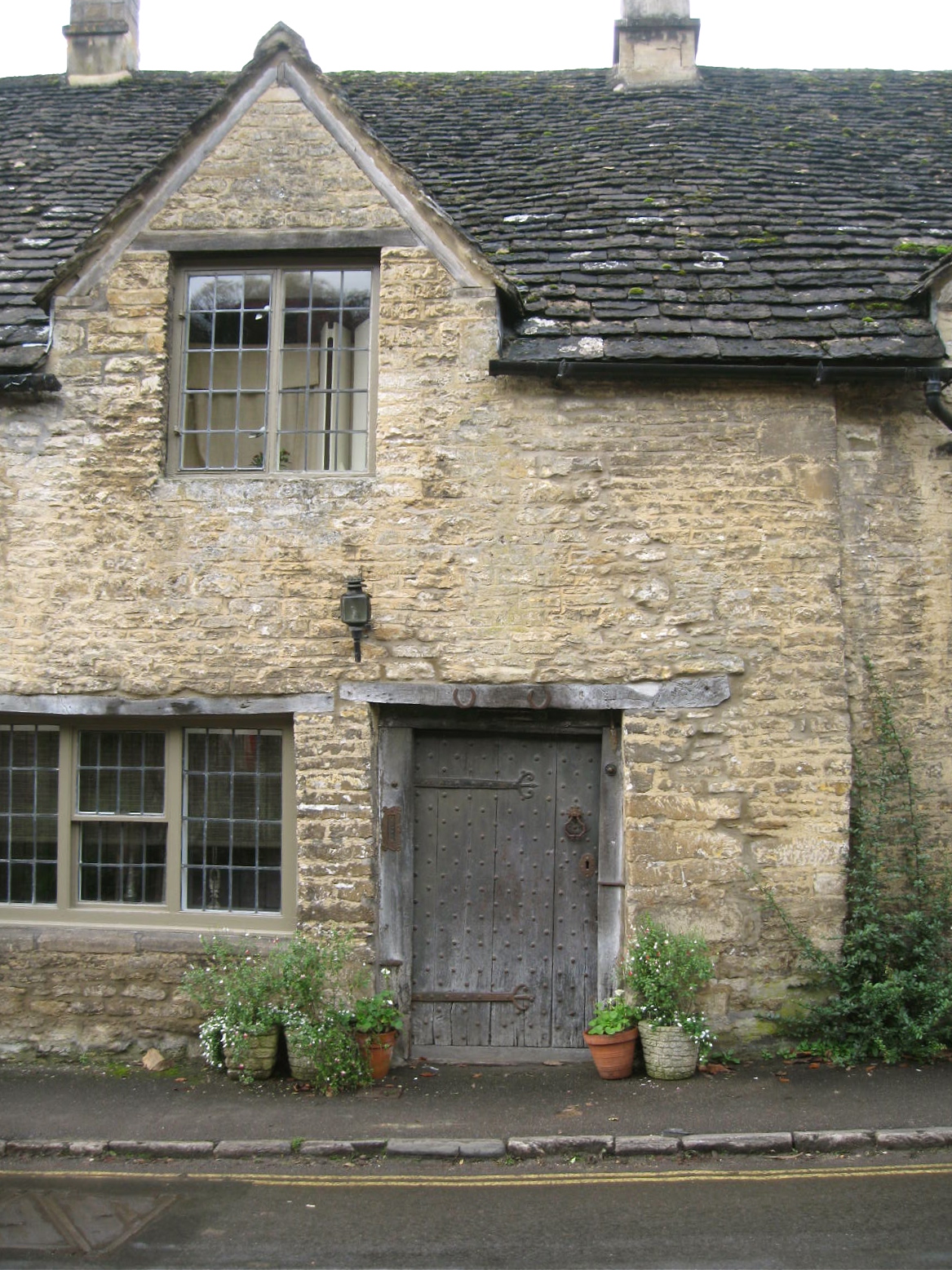
And then came slate.

A more prominent shingle roof in Castle Combe. Photo by me.

A more prominent shingle roof in Castle Combe. Photo by me.

The real commercial production of Welsh slate began in 1820, and along with the innovative building of canals and railways to transport it, it gave builders an alternative material for many English roofs.

Anne Hathaway's cottage being rethatched. Photo by Michael Zawadzki from geography.org

Anne Hathaway’s cottage being re-thatched. Photo by Michael Zawadzki from geography.org

Gradually the use of thatch declined, and with it the craftsmen who were professional thatchers.  There are approximately 1,000 full-time thatchers at work in the UK now, and it has been growing in popularity again with the interest in historic preservation and using sustainable materials.

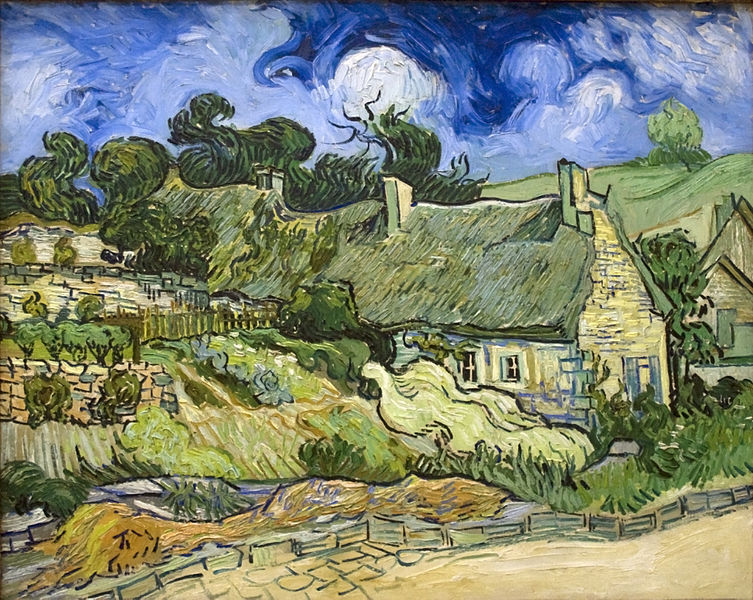
Thatched cottages were popular throughout Europe, although England still has the most. "Thatched Cottage at Cordeville" Vincent Van Gogh

Thatched cottages were popular throughout Europe, although England still has the most. “Thatched Cottage at Cordeville” Vincent Van Gogh

A good thatched roof can last over 50 years, and a new layer of straw can be applied over the weathered surface. This is called a “spar coating”. Over 250 roofs in southern England have base coats of thatch that were applied over 500 years ago! Since the 1980s there has been a movement to grow the older varieties of wheat which are tall-stemmed and better for thatching. This has helped renew the feasibility of thatching.

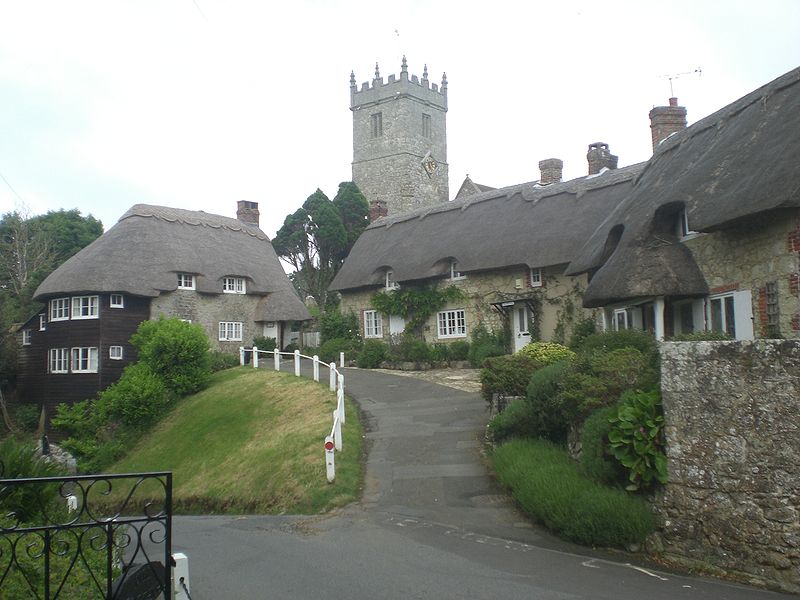
Thatched Cottages in Godshill. Wikipedia.

Thatched Cottages in Godshill. Wikipedia.

It’s nice to see a traditional craft becoming popular again.  I do just love to see a thatched roof in the English countryside.

Thatched Cottage near Wortham, Suffolk.Photo by Keith Evans, Wikimedia.

Thatched Cottage near Wortham, Suffolk. Photo by Keith Evans, Wikimedia.

Kensington Gardens

17 Friday May 2013

Posted by pat in Art, England, Gardens, London, The Royal Family, Uncategorized

≈ Leave a Comment

Tags

Kensington Gardens, Kensington Palace

One of my favorite parks in London is Kensington Gardens.

Entering Kensington Gardens from the Notting Hill side. Photo by me.

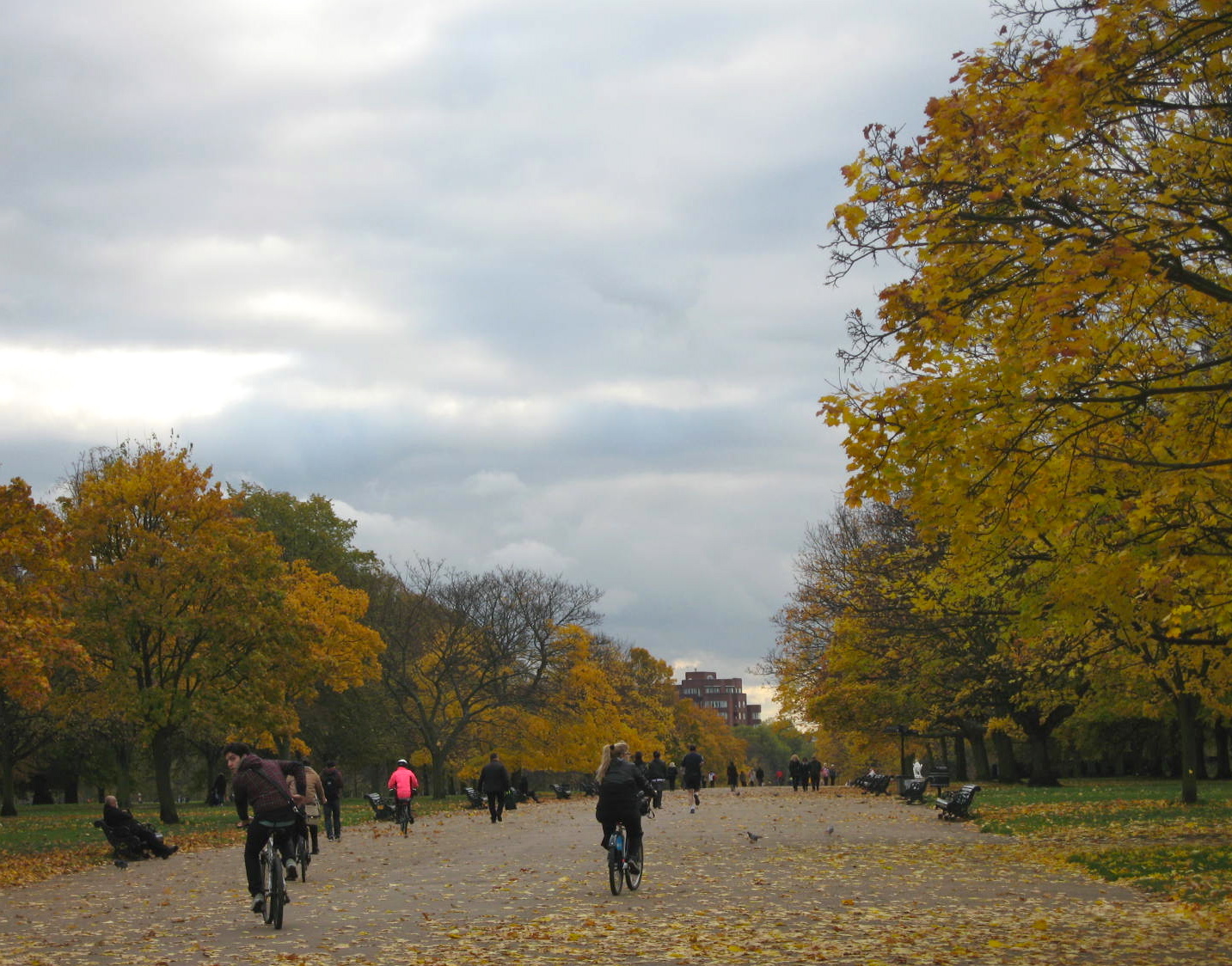
Entering Kensington Gardens from the Notting Hill side in autumn. Photo by me.

I discovered it last year, and since then I can’t stay away.

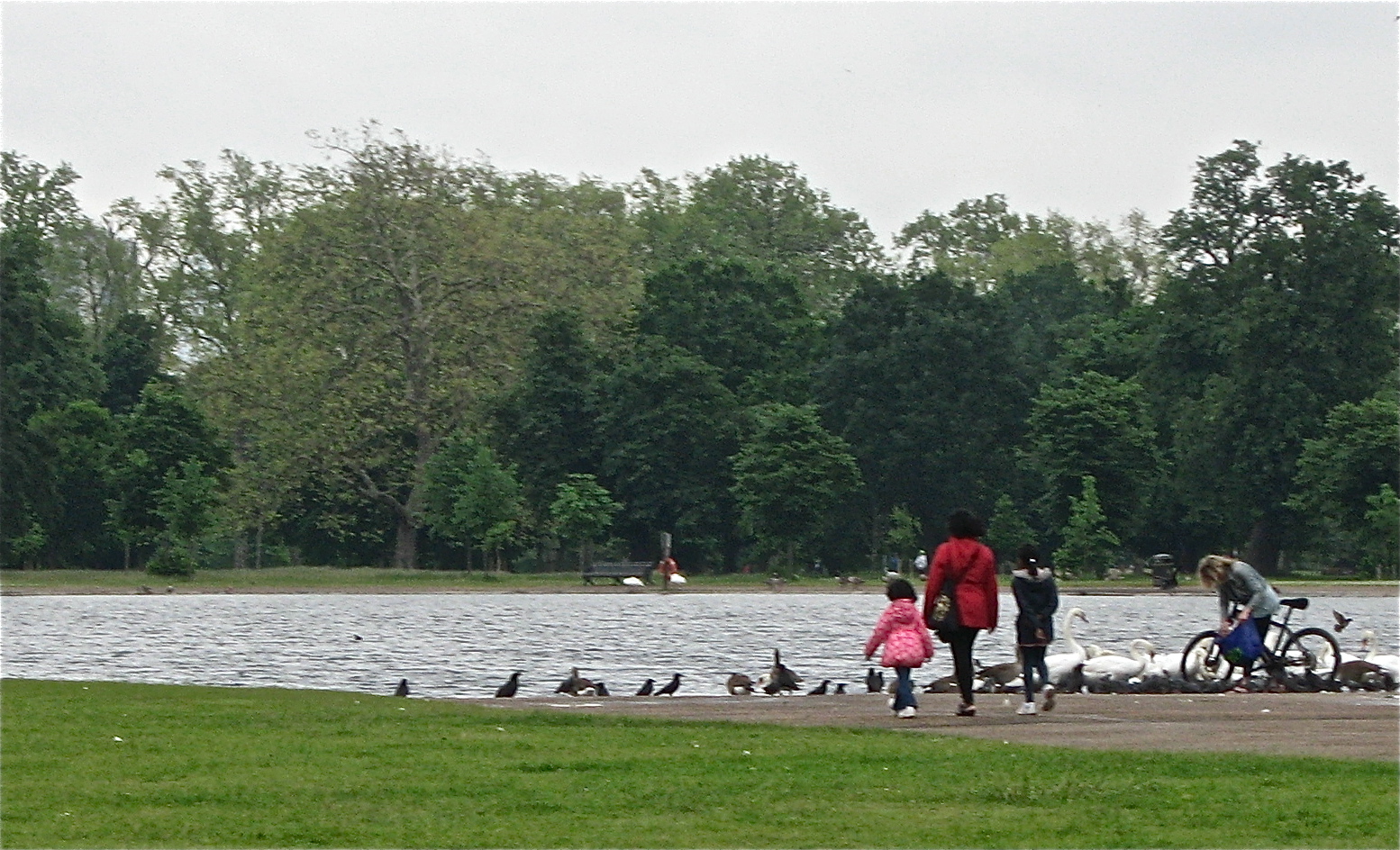
Kensington Gardens'  Round Pond.  The perfect spot on a summer's day. Photo by me.

Kensington Gardens’ Round Pond. The perfect spot on a summer’s day. Photo by me.

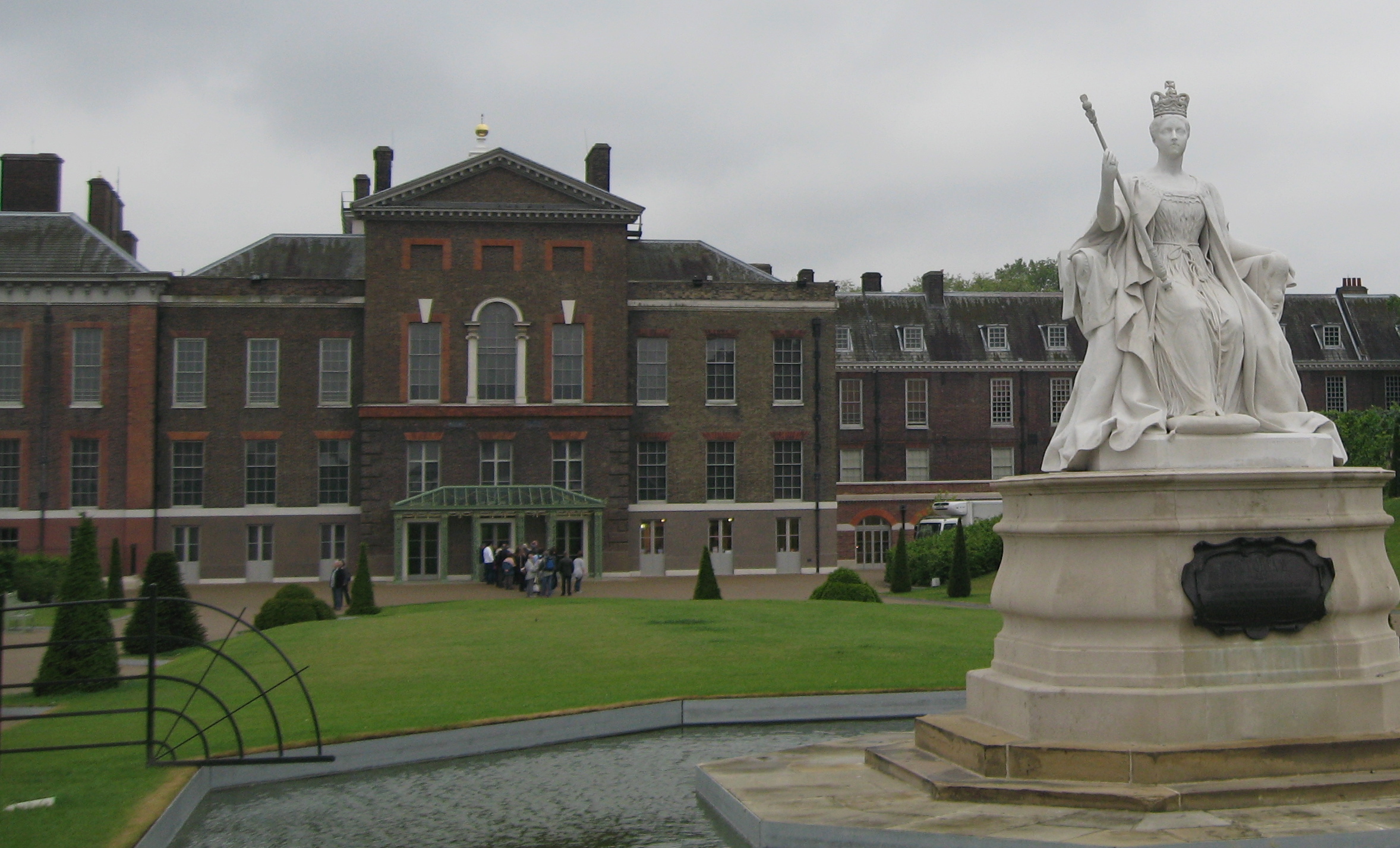
One of London’s Royal Parks, it flows out from behind Kensington Palace…

Kensington Palace. Photo by me

Kensington Palace. Photo by me

…to join with Hyde Park on its eastern border. 

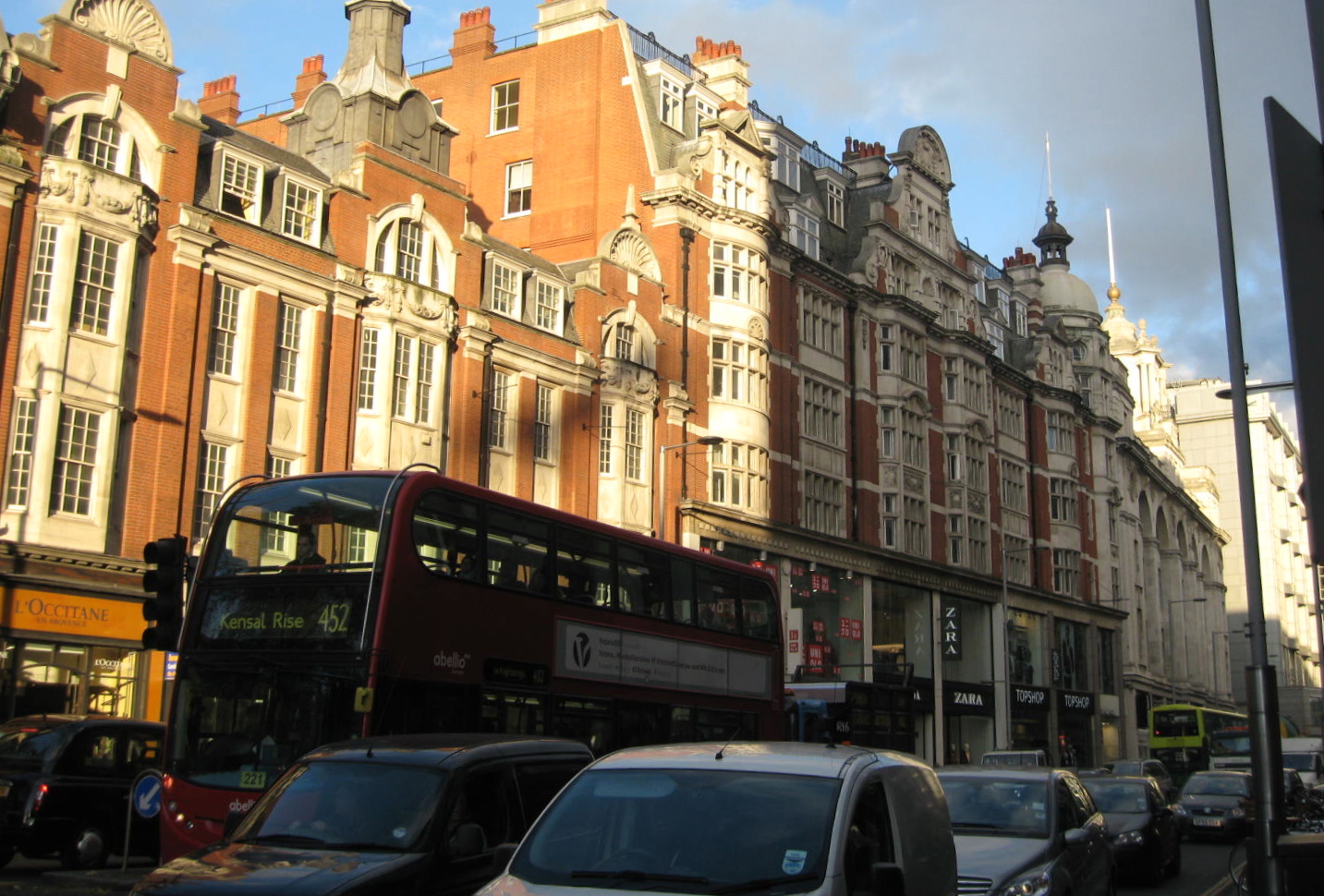
On the western side of London, Kensington Gardens is next to one of the most desirable areas in London– Kensington–known for some of the best shopping in the city.

Kensington High Street. Photo by me

Kensington High Street, just a few blocks from Kensington Gardens. Photo by me

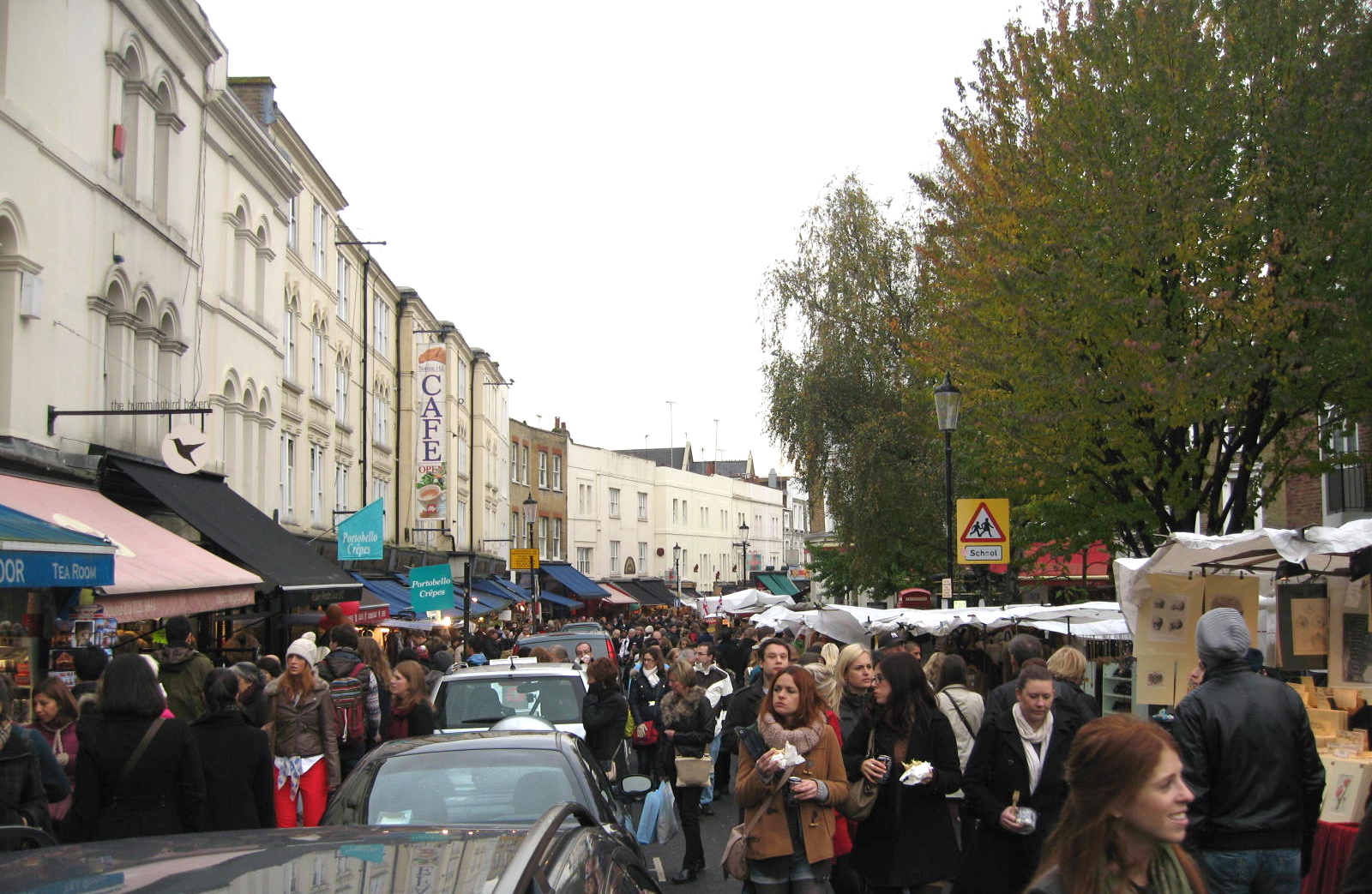
It is also very near the popular Notting Hill neighborhood and the famous Portobello market.

Sunday afternoon on Portobello Road at the market. Photo by me.

A crowded Sunday afternoon shopping on Portobello Road at the market. Photo by me.

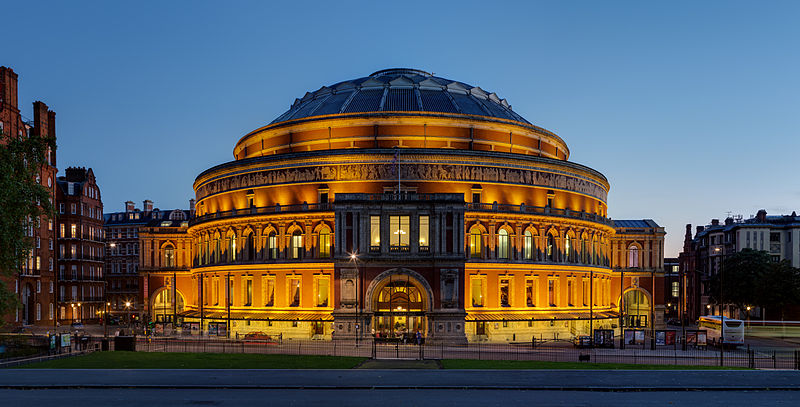
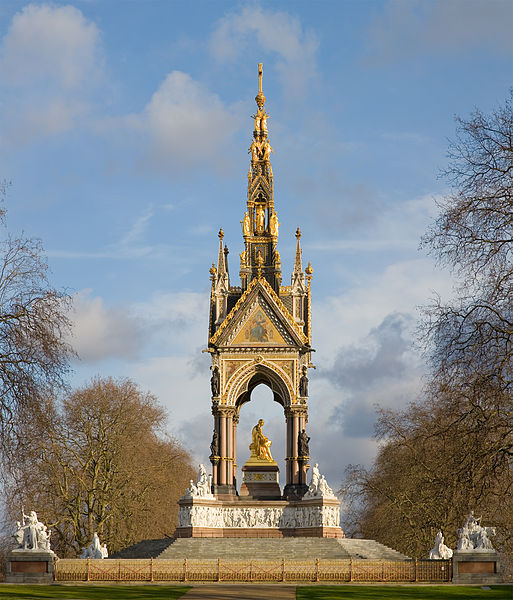
To the south of the park is the famous concert hall, The Royal Albert Hall, best known for holding the annual summer Proms concert since 1941. It is right across from the Albert Memorial Gate entrance to the park and the Albert Memorial on Kensington Road.

Royal Albert Hall viewed from Kensington Gardens. Photo by David Iliff, Creative Commons

Royal Albert Hall viewed from Kensington Gardens. Photo by David Iliff, Creative Commons


The Albert Memorial.

The Albert Memorial. Photo Wikimedia Commons by D. Iliff

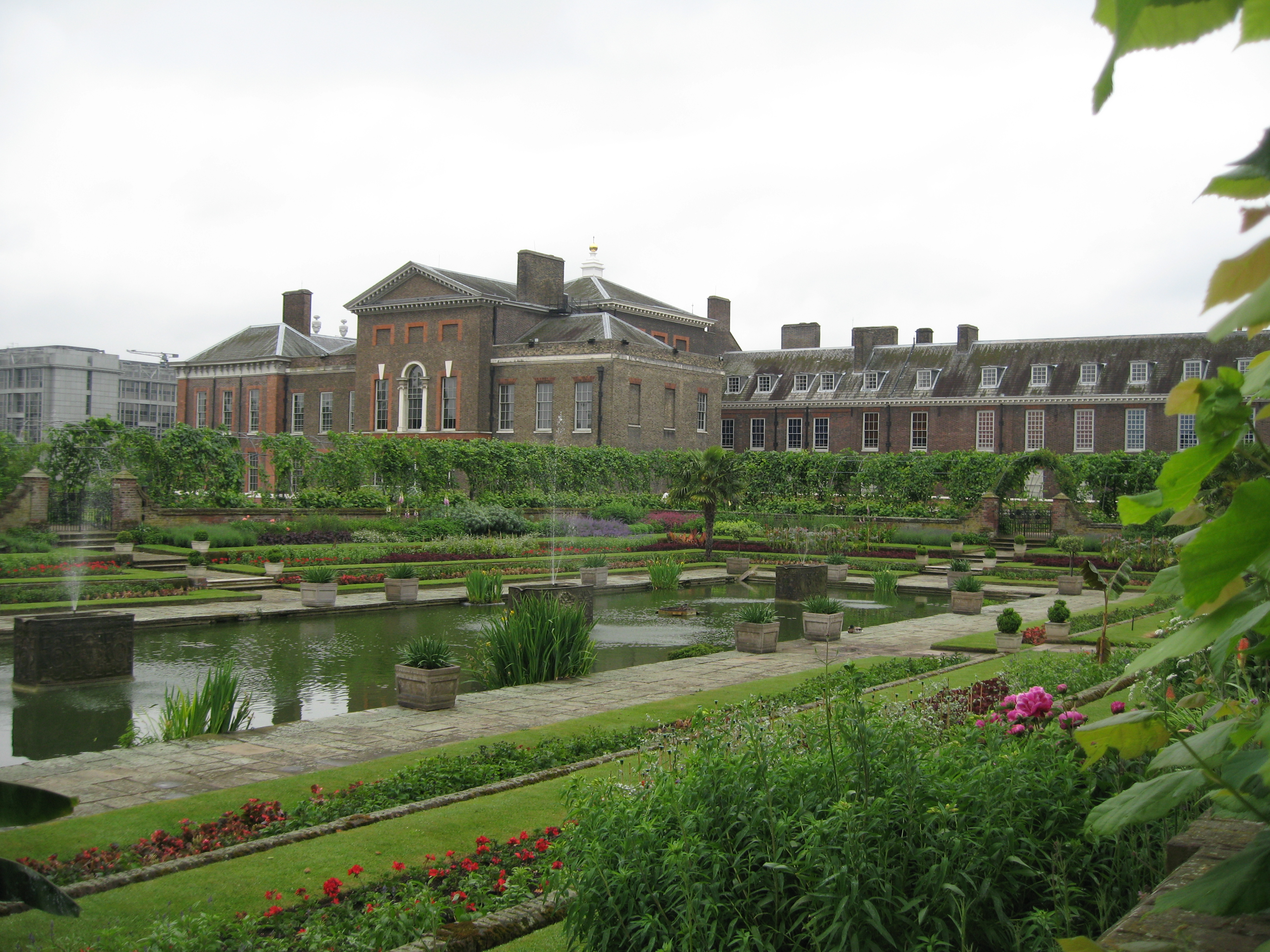
And of course right inside the gardens on the west side of the park is Kensington Palace, the London home of the Duke and Duchess of Cambridge (Will & Kate) and Prince Harry.

Kensington Palace from the Sunken Garden in June. Photo by me.

Kensington Palace from the Sunken Garden in June. Photo by me.

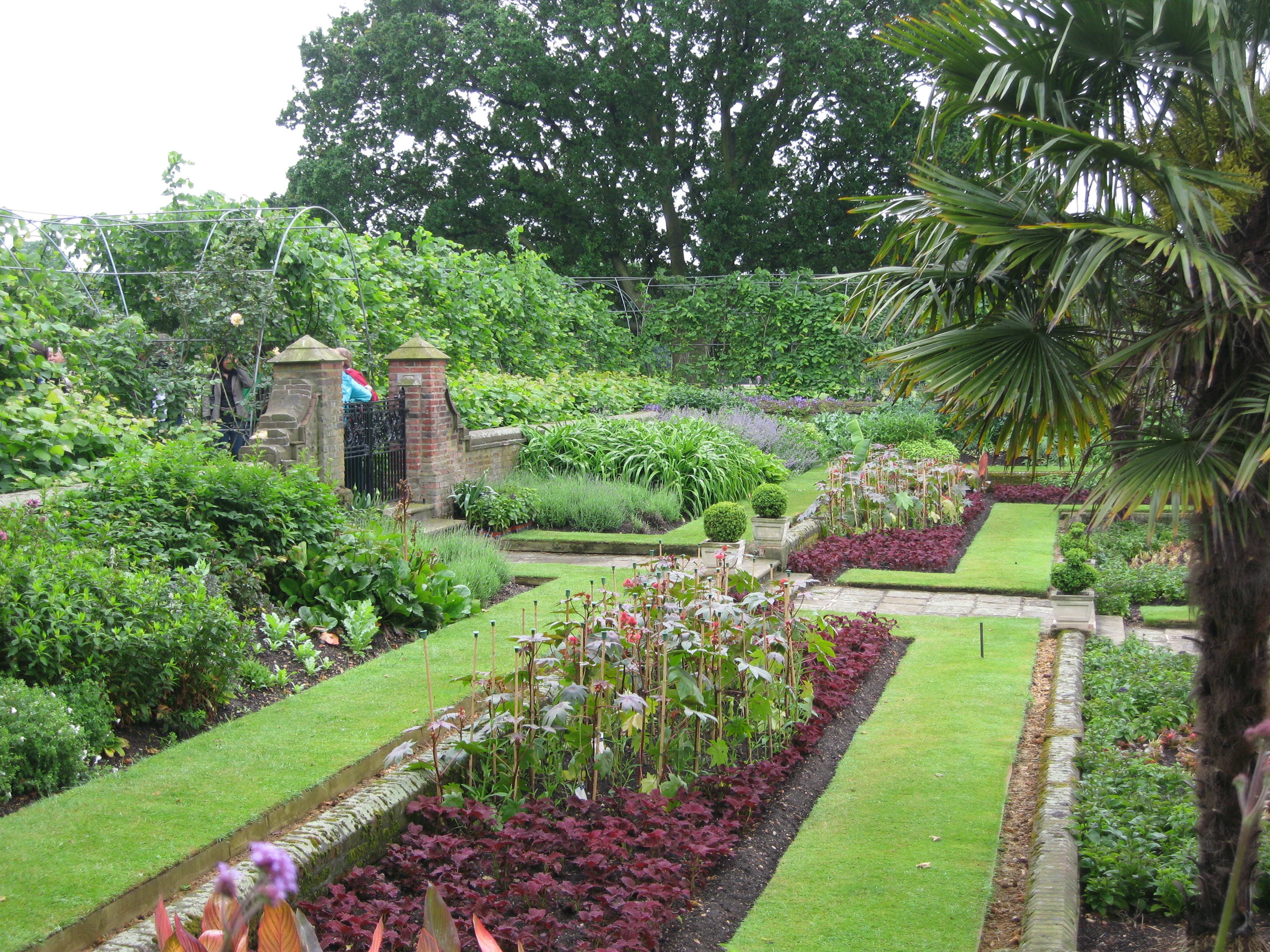
The Sunken Garden outside the palace, on the edge of Kensington Gardens. Photo by me.

The Sunken Garden outside the palace, on the edge of Kensington Gardens. Photo by me.

Kate has been known to walk Lupo in the park with her security guard at her side.

Kate was seen recently walking Lupo around the Italian Gardens in the park.Creative Commons photo

Kate was seen recently walking Lupo around the Italian Gardens in the park.Creative Commons photo

But so far I have not been fortunate enough to run in to them.

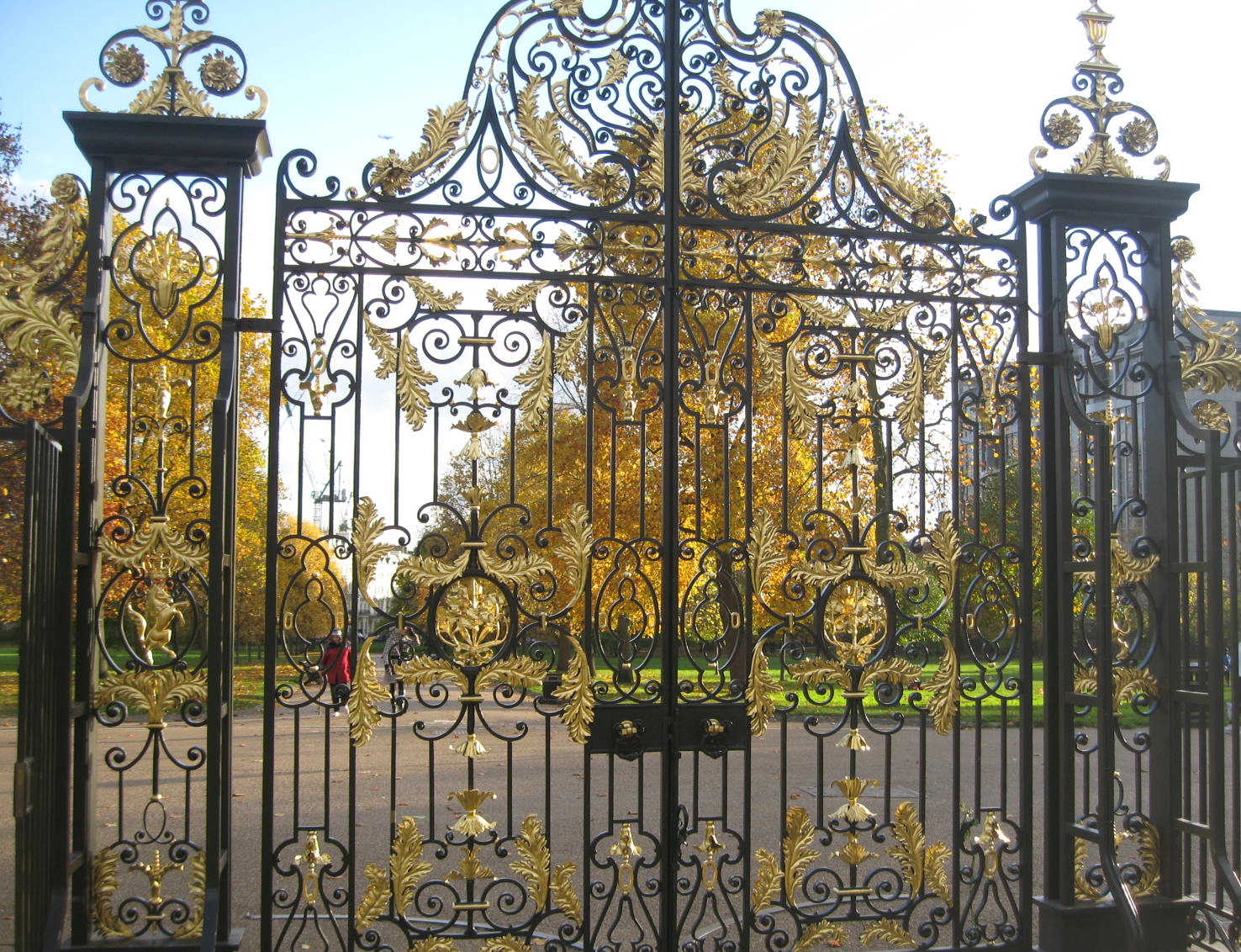
The gates between Kensington Palace and the park. Photo by me.

The gates between Kensington Palace and the park. Photo by me.

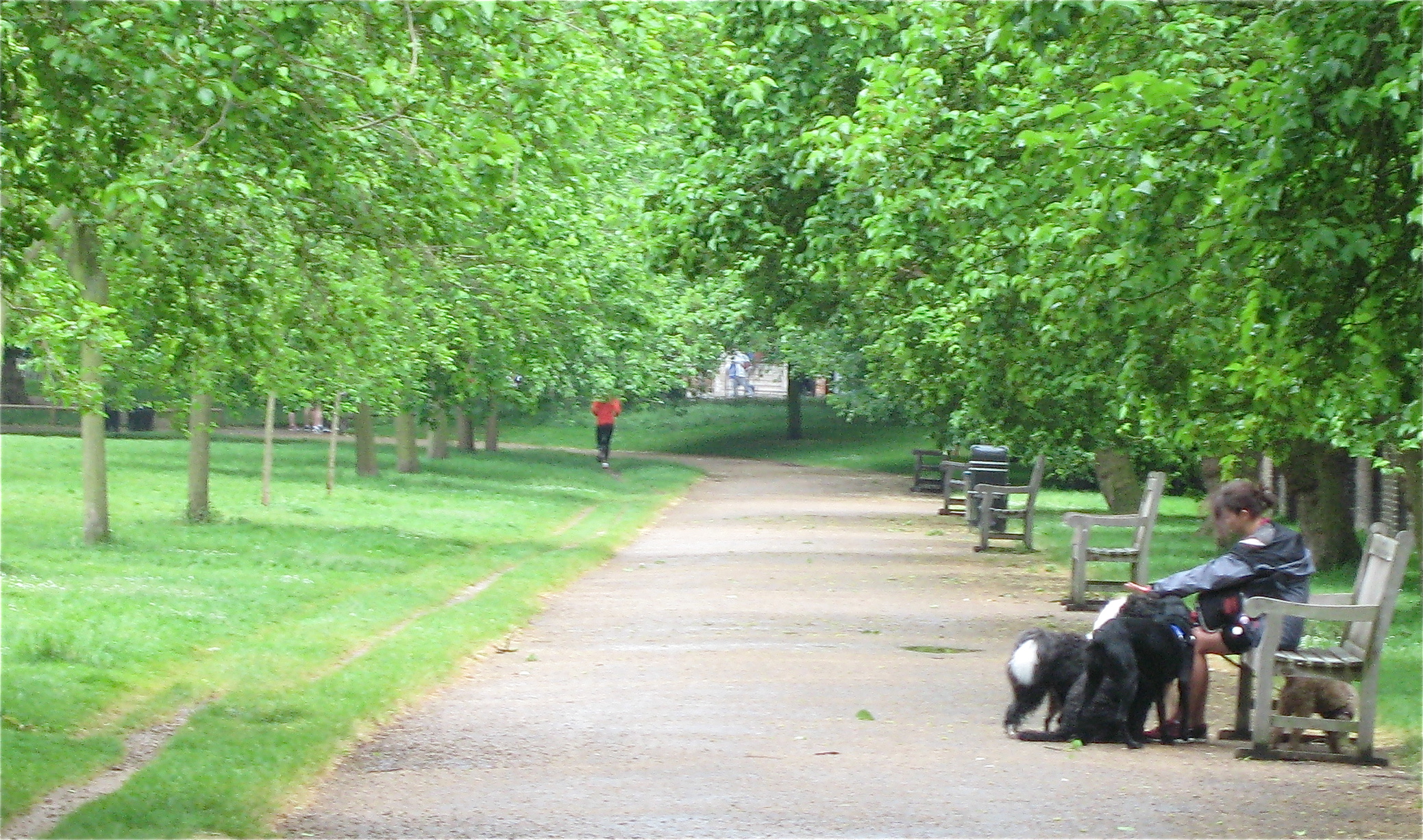
There are lots of dog walkers in the park, and to be a “commercial dog walkers” you do need a license to “operate” in the royal parks.  But these British dogs seem very well-behaved, following all the rules…most of the time.

A dog walker takes a break in KG. Photo by me.

A dog walker takes a break in KG. Photo by me.

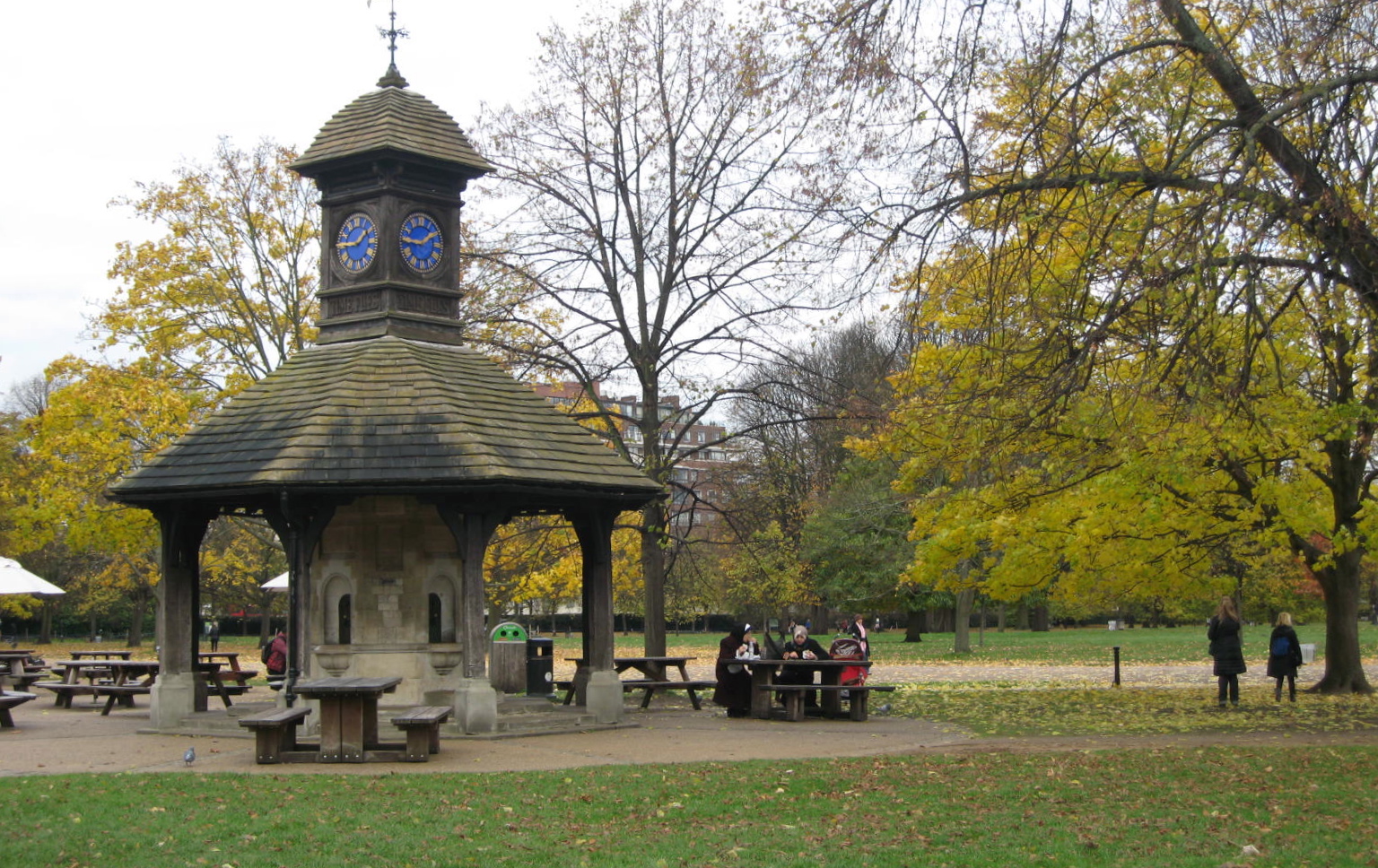
You are very aware of the royal residents who used the park as their backyard.  This small cafe is next to The Princess Diana Memorial Playground.

One of several small shelters to stop and sit and enjoy the park. Photo by me.

One of several small shelters to stop and sit and enjoy the park. Photo by me.

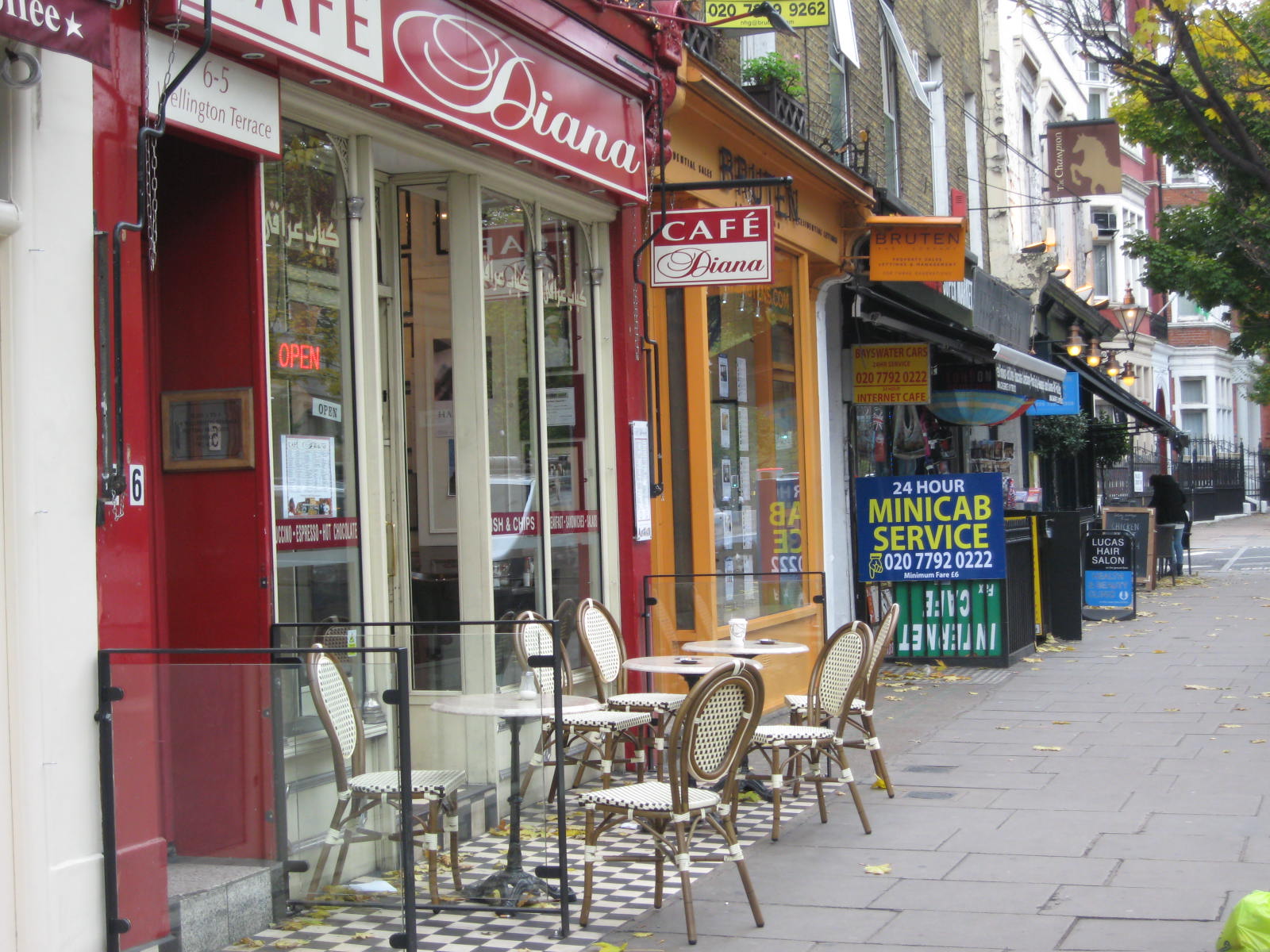
Word has it that the Princess stopped for coffee at the small shop that now bears her name which is right outside the gates that lead to the palace.

The Diana Cafe where I stopped for lunch on my walk around the park back to my hotel. Photo by me.

The Diana Cafe where I stopped for lunch on my walk around the park back to my hotel. Photo by me.

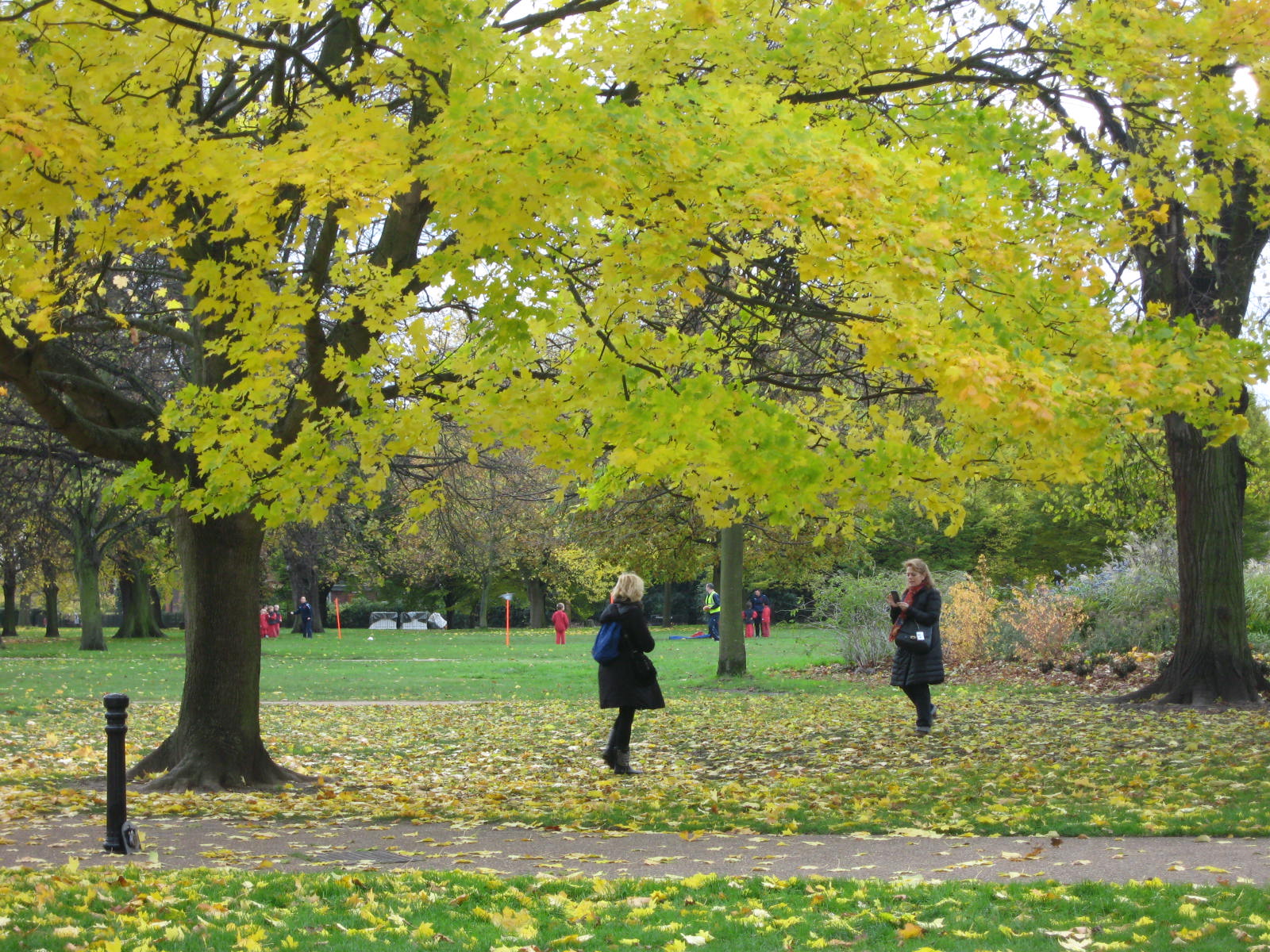
But it is the beauty of the park itself that keeps me coming back.  It is well used by the locals and visitors.  You can feel the friendliness as soon as you enter.

A friend captures the foliage and her friend in a photo, while a group of children practice their "football" (soccer in the US) in the background. Photo by me.

A friend captures the foliage and her friend in a photo, while a group of children practice their “football” (soccer in the US) in the background. Photo by me.

No matter what the season, it just seems like a lovely space to meet a friend and spend an hour or two walking.

A painting of Kensington Gardens by me.

A painting of Kensington Gardens by me.


← Older posts
Newer posts →

♣ Subscribe to Blog via Email

Enter your email address to subscribe to this blog and receive notifications of new posts by email.

Join 33 other subscribers

♣ Archives

  • October 2025
  • June 2025
  • April 2025
  • November 2024
  • July 2024
  • June 2024
  • March 2024
  • December 2023
  • October 2023
  • September 2023
  • June 2023
  • September 2022
  • May 2022
  • January 2022
  • November 2021
  • August 2021
  • May 2021
  • January 2021
  • September 2020
  • June 2020
  • May 2020
  • March 2020
  • December 2019
  • October 2019
  • July 2019
  • April 2019
  • March 2019
  • December 2018
  • November 2018
  • October 2018
  • August 2018
  • March 2018
  • January 2018
  • July 2017
  • April 2017
  • February 2017
  • November 2016
  • October 2016
  • July 2016
  • May 2016
  • April 2016
  • January 2016
  • July 2015
  • June 2015
  • March 2015
  • January 2015
  • December 2014
  • November 2014
  • October 2014
  • September 2014
  • July 2014
  • June 2014
  • May 2014
  • April 2014
  • March 2014
  • February 2014
  • January 2014
  • December 2013
  • November 2013
  • October 2013
  • September 2013
  • August 2013
  • July 2013
  • June 2013
  • May 2013
  • April 2013
  • March 2013
  • February 2013
  • January 2013
  • December 2012
  • November 2012
  • October 2012
  • September 2012
  • August 2012
  • July 2012
  • June 2012
  • May 2012
  • April 2012
  • March 2012
  • February 2012
  • January 2012
  • December 2011
  • November 2011
  • October 2011
  • September 2011

♣ Recent Posts

  • Autumn on the Towpath
  • Float
  • de Printemps
  • A Change of Season
  • Sky Meadows

♣ Categories

  • Art
  • Art Museums & Exhibitions
  • Bath
  • Books
  • British Virgin Islands
  • Burnham-on-Crouch
  • cars
  • Cornwall
  • Cornwall
  • England
  • entertainment
  • Fashion
  • Food
  • Gardens
  • Grasmere
  • Guana Island
  • History
  • Lake District
  • Lake District
  • London
  • movies
  • Music
  • National Trust
  • Olympics
  • paintings
  • Peak District
  • Sailing
  • Scotland
  • Shopping
  • sketching
  • The New Forest
  • The Royal Family
  • Travel
  • Uncategorized
  • United Kingdom

♣ my button

accentbritain.com
<a href="http://accentbritain.com" target="_blank"><img src="http://accentbritain.com/accentBritainbutton.jpeg" alt="accentBritain.com" width="125" height="125" /></a>
Copyright 2011 accentBritain LLC. All rights reserved. All original photos, text and art is copyright protected.

Proudly powered by WordPress Theme: Chateau by Ignacio Ricci.


Loading Comments...